Tough words from Jesus
by Robert Fontana

As one writer put it, “Jesus came to comfort the afflicted and afflict the comfortable.” I must consider myself one of the “comfortable” – good health; strong marriage and family; reasonable income to provide for our needs; wonderful living arrangements in a quiet and safe neighborhood; excellent Catholic parish and Cenacle prayer community; all situated in the gorgeous Pacific Northwest.
It’s easy to confuse “comfort” and the practice of religion with healthy spirituality. And, of course, there is truth in recognizing that God has blessed us with so many positive material blessings. However, there is the risk that we, or let me say, “I” become the pharisee from the parable of the tax collector and pharisee praying in the temple. The pharisee prayed in acknowledgement of all the good he was doing – tithing, following the commandments, etc. while praying,
“O God, I thank you that I am not like the rest of humanity—greedy, dishonest, adulterous—or even like this tax collector.” (Luke 18:11)
My goodness, how I have acted like the pharisee! Jesus has no patience with people who present themselves as deeply religious but do not live an authentic life of faith:
“Not everyone who says to me, ‘Lord, Lord,’ will enter the kingdom of heaven,* but only the one who does the will of my Father in heaven. Many will say to me on that day, ‘Lord, Lord, did we not prophesy in your name? Did we not drive out demons in your name? Did we not do mighty deeds in your name?’ Then I will declare to them solemnly, ‘I never knew you. Depart from me, you evildoers.’” (Matthew 7:21-23)
This reading has challenged me over the many years I have been an adult follower of Jesus, and one who works in ministry. Early on in my faith journey I discovered that I had “spiritual blinders,” some from the culture in which I was raised, some learned from the Catholic faith that shaped my childhood.

The world I knew as a young man was “Catholics are the best! America is the best! John Wayne is the best! Charismatics are better Catholics than non-Charismatics, etc.” These were my blinders. I wore them too tightly around my “spiritual eyes.”
For example, after high school I worked at a mission in New Mexico. We were there to evangelize the Navajo people, and we were competing with the Pentecostals, Lutherans, Mormons, Jehovah Witnesses, etc. I was told by a Navajo woman, “STOP! We’ve been ‘do-good’ to death. Why don’t you and others listen to us before you ever open your mouth.” I realized that my enthusiasm for my faith prevented me from honoring this woman with respect, building a friendship with her, and learning her story before I ever shared mine. I thought I was bringing God to her, but God was already there. I missed a chance to listen and meet a beautiful person from an ancient culture. I was another “do-gooder,” steamrolling her with my good intentions and “Catholics are the Best” world view.
I have other examples of how I wore my cultural blinders: I flew a Confederate flag with no awareness of what it meant for my African American fellow students at my school. I supported American military power, right or wrong. I advocated for the unborn with no understanding of the many extreme challenges for women experiencing a crisis pregnancy. But I didn’t have only cultural blinders; I had added layers of self-protective behaviors that I learned to survive and thrive in the family and community in which I was raised. For example, having 5 older brothers, I learned how to avoid conflict. I didn’t want to get smacked! I learned how to hide hurt feelings when I was rejected by a girl I liked.
As I matured, I began to see that it wasn’t enough to participate in Church and Bible study and do acts of service. I needed to enter the “spiritual journey,” to look deep inside me to name the unhealthy biases, attachments, and identities that kept me ensnared as a “Catholic Christian pharisee” looking at anyone or anything different from me with “eyes of judgement.” Either I was judging or was afraid of being judged.
These layers of spiritual blinders and self-protective patterns not only keep me from fully loving others, they keep me from fully knowing how much I am loved by God. They keep me from knowing the deepest truth about me: I am God’s beloved son, made in God’s image and likeness and absolutely loved!
Jesus called this process of removing one’s spiritual blinders and self-protective patterns as “taking the log out of one’s eye before taking the splinter out of your neighbor’s eye.” (Matthew 7:5)
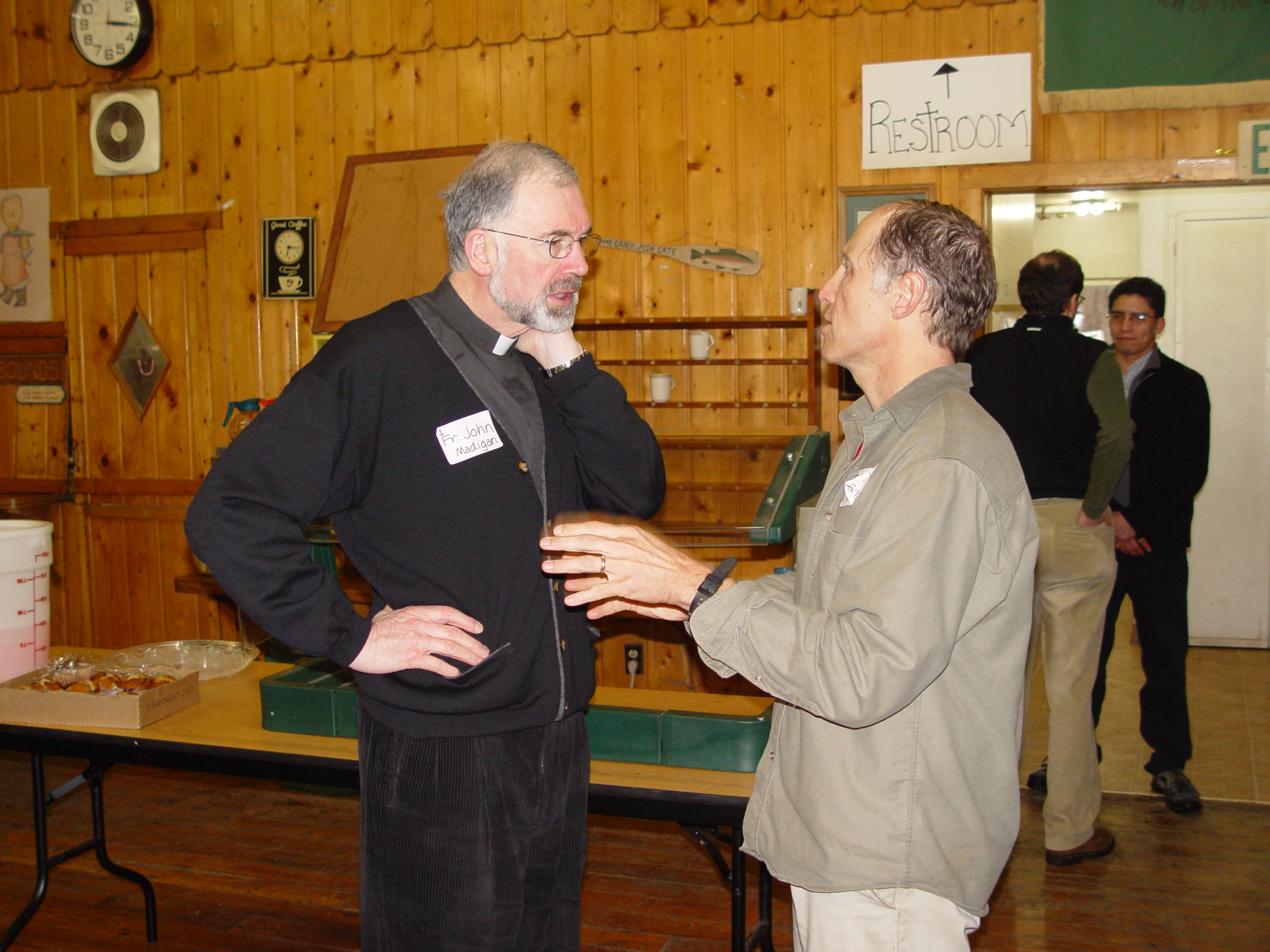
Some spiritual writers like Thomas Merton call these layers that we wrap around our True Self, the “False Self.” I prefer to call this part of me the “Protective Self.” It’s the image of me that I want the world to see so that I will be loved, admired, affirmed, etc. The Protective Self in Robert does whatever it can, positive or negative, to avoid pain and win approval. It’s the part of me that finds my identity in titles (Director of Evangelization), associations including religion (Roman Catholic), money (no problem for me), possessions (I LOVE MY BIKE!), privileges (great education), sports teams (Geaux, Tigers!), and whatever.
All these things have a proper place in life, but what many of us do is hide our True Self behind our activities, possessions, opinions, and attachments. Ultimately, we hide from God. Religious people do this all the time.
These tough words from Jesus have been good for me. They move me forward on a spiritual journey of removing the “log” out of my own eye so I can truly know who I am – God’s beloved son – and live out of that identity within the events and circumstances of my daily life.
Aug 2026-Aug 2027 – The Fontanas’ Final Year of Catholic Life Ministries
Dear Friends, grace and peace!
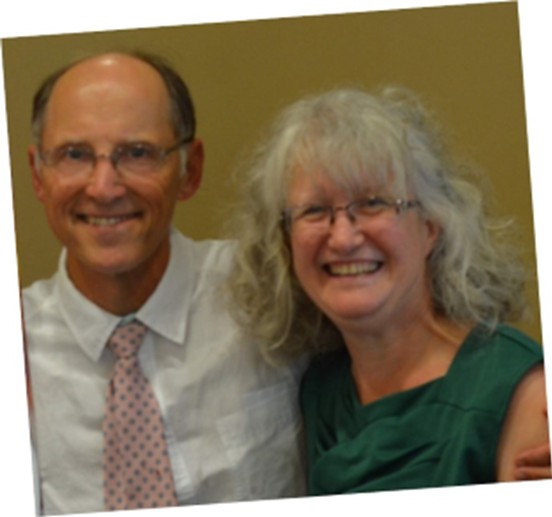
We began working in ministry in the Catholic Church in August, 1981. I was working at a Seattle shipyard, clearly a job for which I was not gifted, when I was offered a job as the parish youth minister at my childhood parish, St. Mary Magdalen, in Abbeville, LA. I worked with youth; Lori and I worked with young couples and families. Our ministry partnership has lasted for 45 years, taking us from Louisiana to Maryland, to Seattle where CLM was born in 1990 (see below).
In discernment with our CLM Pastoral Board, we’ve decided that this will be our last year of ministry through Catholic Life Ministries. You have been faithful and generous in your support of the Fontanas and CLM. Through workshops, retreats, and family camps focusing on faith and service, through written essays, spiritual direction, and counseling, we have strived to empower people of all ages to “proclaim the Gospel with their lives, using words when necessary.”
Will you support us for one more year of ministry through your prayers, financial support, and shared wisdom? Your support enables us to publish reflective essays, offer marriage preparation and enrichment, direct retreat days of prayer and study, and present workshops on Scripture and Catholic life. Robert also counsels and gives spiritual direction to couples and individuals, offering clients a sliding scale according to their ability to pay. We are most grateful for your many years of encouragement and support. Thank you! In turn, we commit ourselves to do very competent work and to pray for you always.
(To donate to CLM go to: https://www.catholiclifeministries.org/donate) Love and prayers, Lori and Robert
“Rob, why did you start CLM?” “We did it for the money!”
By the summer of 1990, I had been working in ministry in the Catholic Church for nine years. Living in Seattle, Washington, I was working as a parish youth and young adult minister. With five children to house, clothe, feed, and educate, we were not making ends meet on a ministry salary. What to do? One of my brothers had a Masters in Religious Education, hoping for a lay ministry career. But he decided he could not support his family on a ministry income and left lay ministry for a career in financial services. Was it time for me to do the same?

I have to admit it was not entirely the fault of the institutional church that I and other lay employees made such inadequate salaries. I was part of the problem. When I was first offered a ministry job, the salary offered was half of what I was making as an unskilled union worker in a Seattle shipyard. I did not like the shipyard job. I didn’t have the skills for it, and I wanted passionately to work in ministry. I took the youth ministry job.
Lori and I wanted a simple, modest life-style in the spirit of St. Francis of Assisi. We moved to my Louisiana hometown, moved into a low-income racially mixed neighborhood, and rented a small house for $50 a month. I was overjoyed to be able to work in ministry and approached it much as did the Catholic sisters of old: “pay me as little as possible; work me as much as is needed.” Learning how little my salary was, a woman working for the diocese told me: “Live as simply as you and your wife want to live, but the Church has a responsibility to pay you a just wage.” She was right; I was wrong, something I had to learn the hard way. I wrongly assumed that if our material needs changed, the pastor would gladly increase my salary. Was I wrong!
When our third child was born, she had some medical issues that required visits to a variety of specialists, one even suggesting exploratory brain surgery. We had health insurance, but it required us to pay upfront the for tests and then seek reimbursement. We were sinking financially. I finally approached the pastor – whom I had known since high school and who had sponsored my going to the seminary – and asked for a raise of $50 a month.

I remember his response like it was yesterday. “Oh no, no, no. We had an agreement for the salary you are getting. If I give you a raise, I have to give everyone else a raise.”
His response held no compassion, no room for any type of compromise to help me “afford” to continue as a lay employee in the church. This conversation served to pop my “illusion” that my clergy employer would “take care of us.” It was my job to argue for a just salary (and to educate the clergy on their duty to pay a just salary).
Eventually, I did get a salary increase, but only after an influential parishioner, who unbeknownst to me, spoke to the pastor. That began my real education as a layperson working in ministry. The clergy with whom I worked were either incapable of or unwilling to acknowledge the financial challenges of a family man working in ministry. Over years, I gained experience and training, earning a Master of Theological Studies and later a Doctorate of Ministry. Simultaneously, I grew in courage to challenge my clergy bosses to not only pay me a salary that will grow with my growing family (family is a very Catholic value!) but also one that increased with my education and professional expertise.
Our first three years of ministry were in South Louisiana. It became clear to me that I needed more education if I were to continue in a ministry career. I asked our friend, Fr. John Edmunds, ST, if there was a future for lay people in ministry. “Yes,” he said, “if you are willing to relocate.”
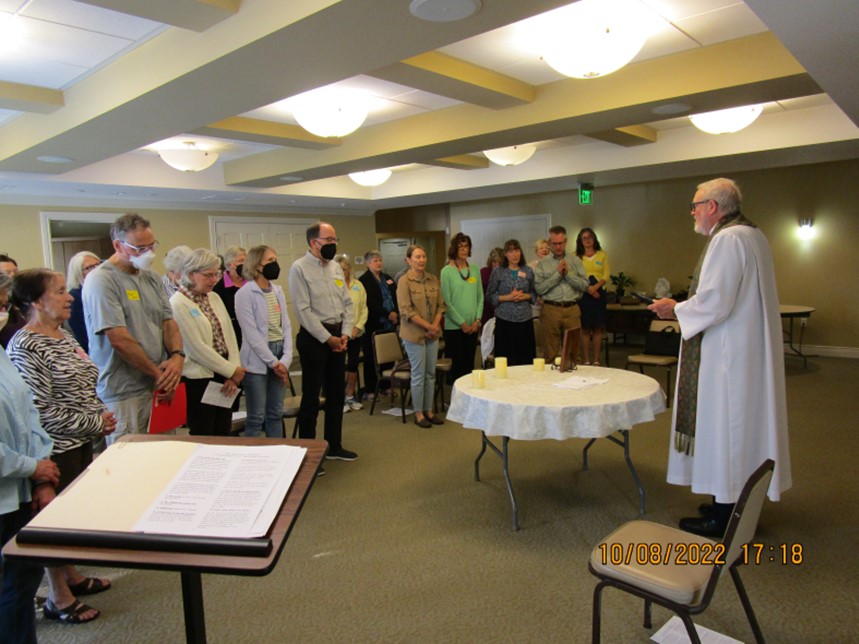
With Fr. John’s recommendation, I received a scholarship to the graduate program in theology at the Washington Theological Union, Silver Spring, Maryland. With our 3 little children in tow, we relocated to Sykesville, Maryland, where I worked as the parish youth / young adult minister at St. Joseph Church while attending graduate school. 5 years and 2 more children later, I graduated with a Masters in Theological Studies, and we moved to Seattle to be near Lori’s family. I got a job as the youth and young adult minister at Holy Rosary Parish, West Seattle.
Even 40-some years ago, Seattle was an expensive city in which to live, particularly on a ministry income. After only six months working at Holy Rosary, I realized that I would have to supplement my lay ministry income OR find a new career outside of the church.
My brother urged me to join him at the financial service firm where he was thriving. I wasn’t convinced; it would not be a good match for my gifts. Perhaps I could teach at a Catholic school, but teachers were paid an even lower salary.
It was dawning on me that we needed an organization committed to us in the same way a diocese was committed to its clergy and a religious order was committed to its members. As I shared this idea with friends, I was also looking for work outside of Seattle. I was offered jobs at Catholic parishes in Lewistown, Idaho, and Newport, Oregon, each about a seven-hour drive from Seattle. Ugh. These cities were so far away from the Seattle area after we had moved to Seattle to be near family. What to do?

Friends, led by a close friend, Susan Bourgault, stepped forward. They wanted to put a down-payment on this organization that I had been talking about. They stated they were enriched by the ministry which we (Lori and I) provided, and they did not want to see us leave. They made commitments to sponsor us with monthly donations for the next six months to see if we could get this ministry up and running. But if we had to move away, so be it.
We stayed. With their financial support, sage advice, and much prayer, we formed Catholic Life Ministries NW (CLM), were approved for non-profit status, and began hosting retreats for adults, Taize prayer services, small group faith sharing, and family camps. Initially we saw CLM as a part-time ministry to supplement my work in the institutional church setting. Then in 2005, I began working for CLM full-time. Lori began as office manager, editor, writer, and occasional speaker.
So, why did we begin Catholic Life Ministries? We did it for the money! But, not really! We did it because we wanted to continue to work in lay ministry, serving God’s people with the gifts we’ve been given.
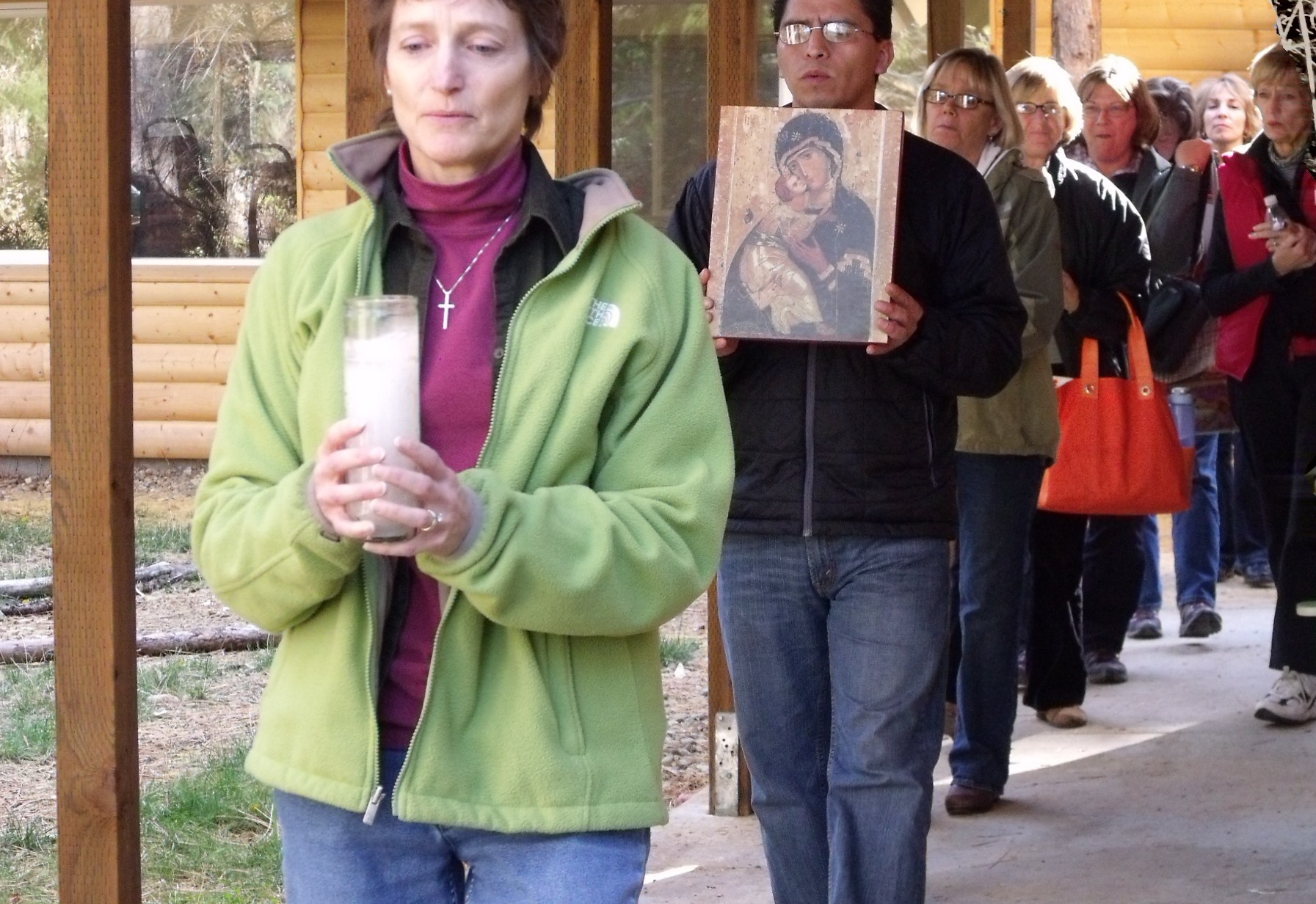
I put my faith on the side…Our Lady brought it to the center.
By a friend who wishes to remain anonymous

I grew up in a loving Catholic family who taught me to love God as a Father and Mary as a Mother. During my teenage years and youth, l became somewhat distant and didn’t practice my faith as I now know I should have.
When I met the love of my life, who had been raised in a Protestant denomination, I knew in my heart that I wanted to marry in the Catholic faith. He agreed and supported me, though in order to be graceful to my in-laws, we had a mixed faith ceremony led by a Catholic priest and a Presbyterian minister.
Time went by and looking in retrospect, I had put my faith on the side. Despite my indifference, I had a strong longing for God and one day…….by accident or by God’s providence, I found out about the appearances of our Lady in a distant Bosnian town, Medjugorje. It was a pamphlet that was placed in our mailbox. It talked about the end times. At the bottom, in tiny letters it mentioned our Lady’s coming to Medjugorje. I was instantly intrigued though I discarded the pamphlet. I didn’t trust its content.
In those days, we had just bought a new computer and had our first internet connection. I typed in Med..guessing how to spell the word. A website appeared, medjugorje.org. It told the story of the apparitions and contained the messages our Lady was sending to the parish and to the world. I was ecstatic, happy as a child, filled with awe at what was happening. Our Lady was teaching us how to love with a love that was pleasing to God in all her messages! She started by affirming that God exists and that He is the fullness of life. With a call that shows urgency, she invites everyone to come back to Him.
She talks about 5 “stones” needed to return to God:
1. Attend Mass, every day if possible (fall in love with her Son in the Blessed Sacrament).
2. Read and pray the Bible.
3. Pray the rosary with the heart, all mysteries daily.
4. Receive the sacrament of Reconciliation at least once a month.
5. Fast on bread and water on Wednesdays and Fridays.
I read, prayed and savored her messages and began slowly to do all the things she was asking of us. And I still do, 45 years after her first apparition. The hardest task was going to Reconciliation. I hadn’t done it for the last 35 years. I retaught myself to say the rosary and prayed it daily with our youngest daughter who was learning it in religious education. I started going to daily Mass, still do, and strive every day to make Jesus the center of my life. Fasting was hard at the beginning and still is. I have fallen many times, and she has picked me up!
Our Lady says that with prayer and fasting you can change the laws of nature! Without me really noticing, things started changing around me. My husband was invited to attend OCIA classes. I prayed for him a lot during those months and listened to his reflections. He joined the church during Easter and it was a beautiful, heartwarming celebration. On another note, my dad had not been to reconciliation in years. He was getting older, and I worried about him. On every visit I would invite him to go.
He always responded that he talked to God directly, until one day he asked me to make an appointment with the parish priest. He wanted to receive the sacrament of Reconciliation. So I arranged a meeting, and at age 92, he walked over with me to his appointment with the Lord. He received all 3 sacraments, Reconciliation, Eucharist and Anointing, and I don’t remember ever seeing him as happy as at that moment. It was a kind and loving priest who made all this possible.
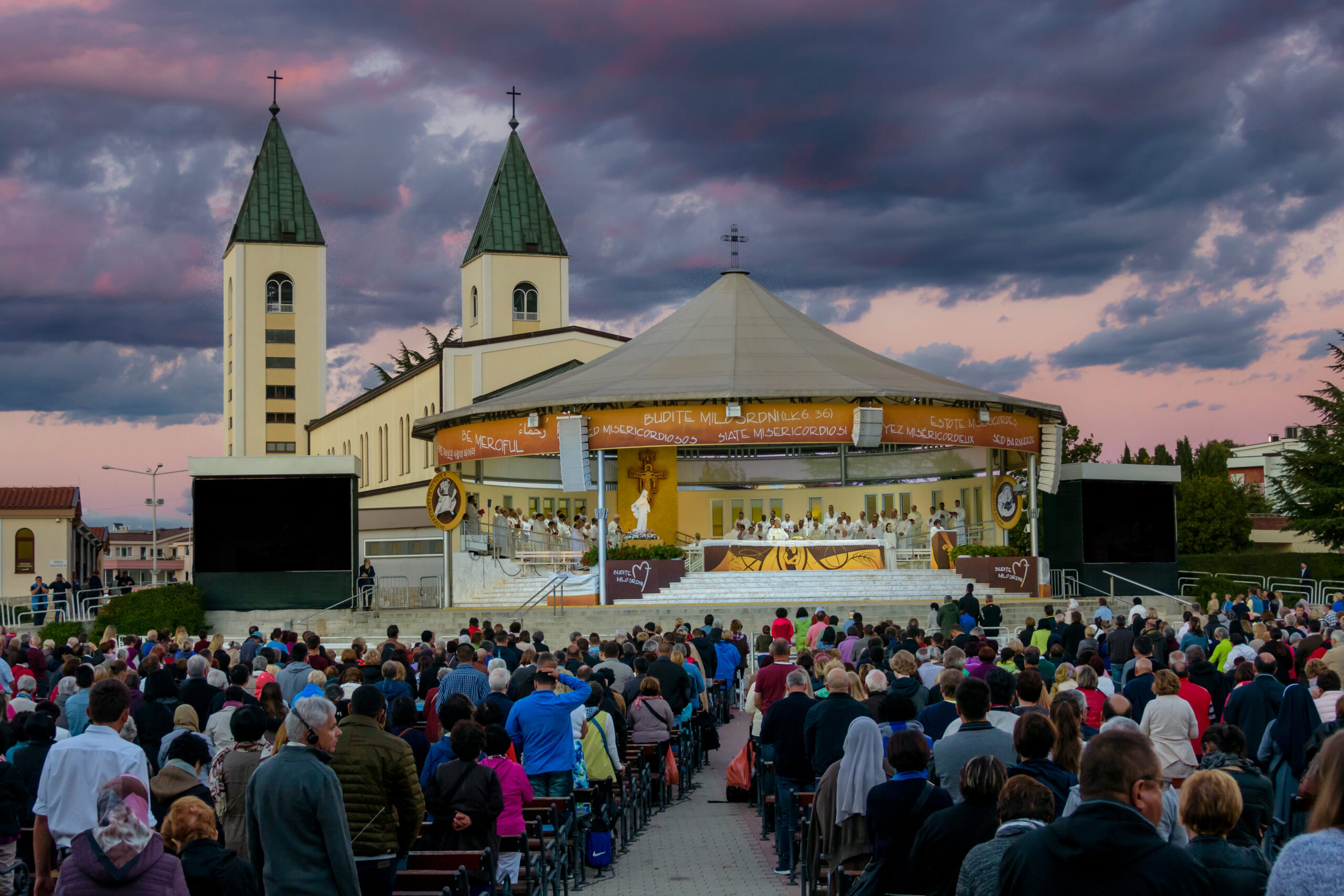
In all these years I have longed to go to Medjugorje. Life would always get in the way. Last year, finally, my husband and I were able to make the trip. It was a very beautiful trip. Words don’t do justice to what is happening in that place. Our Faith is so alive! People are seen walking down the streets praying the rosary in many different languages; the church is always packed full every day; thousands attend Adoration daily. …there is an atmosphere of love and peace beyond description.
I can’t wait to go back again!
America 250: Christian Humanism not Christian Nationalism
By Robert Fontana
July 4, 1776. WHAT A DAY IN HISTORY! Leaders from the 13 English colonies decided together that it was time to break from their mother country and create a new country based on these immortal words,
“We hold these truths to be self-evident, that all men are created equal, that they are endowed by their Creator with certain unalienable Rights, that among these are Life, Liberty and the pursuit of Happiness.”

YEAH! Women were giving the right to vote! NOPE! Only men can vote in the United States of America (even though Abigail Adams begged her husband John to “remember the ladies, and be more generous and favorable to them than your ancestors. Do not put such unlimited power into the hands of the husbands. Remember all men would be tyrants if they could. If particular care and attention is not paid to the ladies, we are determined to foment a rebellion, and will not hold ourselves bound by any laws in which we have no voice or representation.” (Women and the American Story)
Okay, well, YEAH, all men, black and white and any shade in between are given the right to vote! NOPE! Only white people were given the franchise even if there were people of color who were “free” and not enslaved. The right to vote for people of color did not happen until passage of the 15th Amendment in 1870: The right of citizens of the United States to vote shall not be denied or abridged by the United States or by any State on account of race, color, or previous condition of servitude. (National Archives)
At least ALL WHITE MEN over the age of 18 were given the right to vote! NOPE! Only white men of wealth who owned property and paid taxes (about 6% of the population) could vote. The states set the rules for voting, and most states limited voting to white men of wealth defined by owning property and paying taxes. This changed by the 1828 presidential election when most states lifted the property requirement and expanded voting rights to all white men above a certain age. (Wikipedia – “Voting Timeline”). In 1856, North Carolina was the last state to remove ownership of property as a condition for being able to vote. (The American Leader)

GOOD GRIEF, some states had laws restricting the right to vote based on one’s religion. In some states with a Protestant majority, Jews, Quakers, Catholics, and Mennonites had their voting rights restricted. Most of these restrictions were dropped in 1828. (Wikipedia – “Voting Timeline”)
What about NATIVE AMERICANS? Sadly, and tragically, the 14th Amendment recognizing any child born in the U.S. as a citizen did not apply to Native Americans. With some exceptions, Native people were not granted citizenship until the passage of the Indian Citizenship Act of 1924. But, because voting was organized by the states, most Native people, like their African American neighbors, were excluded from the vote by local requirements of paying a poll tax or requiring a literacy test. These practices did not end until 1957. (Wikipedia – “Voting Timeline”)

What about immigrants to the U.S. from ASIA? The Chinese Exclusion Act of 1882 prevented Chinese immigrants from becoming citizens and gaining the right to vote. In 1942, Franklin Roosevelt issued Executive Order 9066 that led to the forced removal of Japanese Americans and Japanese resident aliens into internment camps. The Magnuson Act of 1943 gave ethnically Chinese persons the right to become citizens and to vote. In the case of the Japanese Americans who were forced into internment camps, not until 1988 was their unjust treatment corrected with the passage of the “Civil Liberties Act.” The United States government issued a formal apology and paid restitution to each person who had survived internment. (National Archives & Japanese American National Museum)
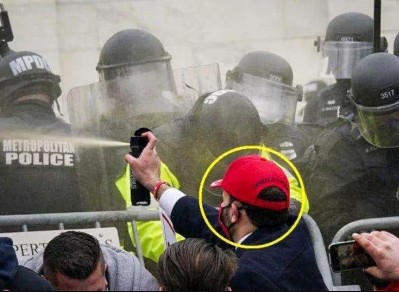
What do all of these narratives have to do with Christian Nationalism versus Christian Humanism? Since the formation of the United States and into the present, there has been a strong element among White Supremacy advocates to exclude women and people of color from the right to vote. In my opinion, Christian Nationalists who today argue for a specific brand of Christianity fused with our federal government are a reiteration of the KKK without the white robes and hoods. Christian Nationalists were a major force behind the January 6th insurrection on the U.S. Capitol, behind limiting immigration to our country pretty much to only White South Africans, and behind ICE’s aggressive removal of undocumented immigrants. They want to turn back the clock on how the right to vote was extended to all men and women regardless of race, creed, color, sex, or sexual orientation.
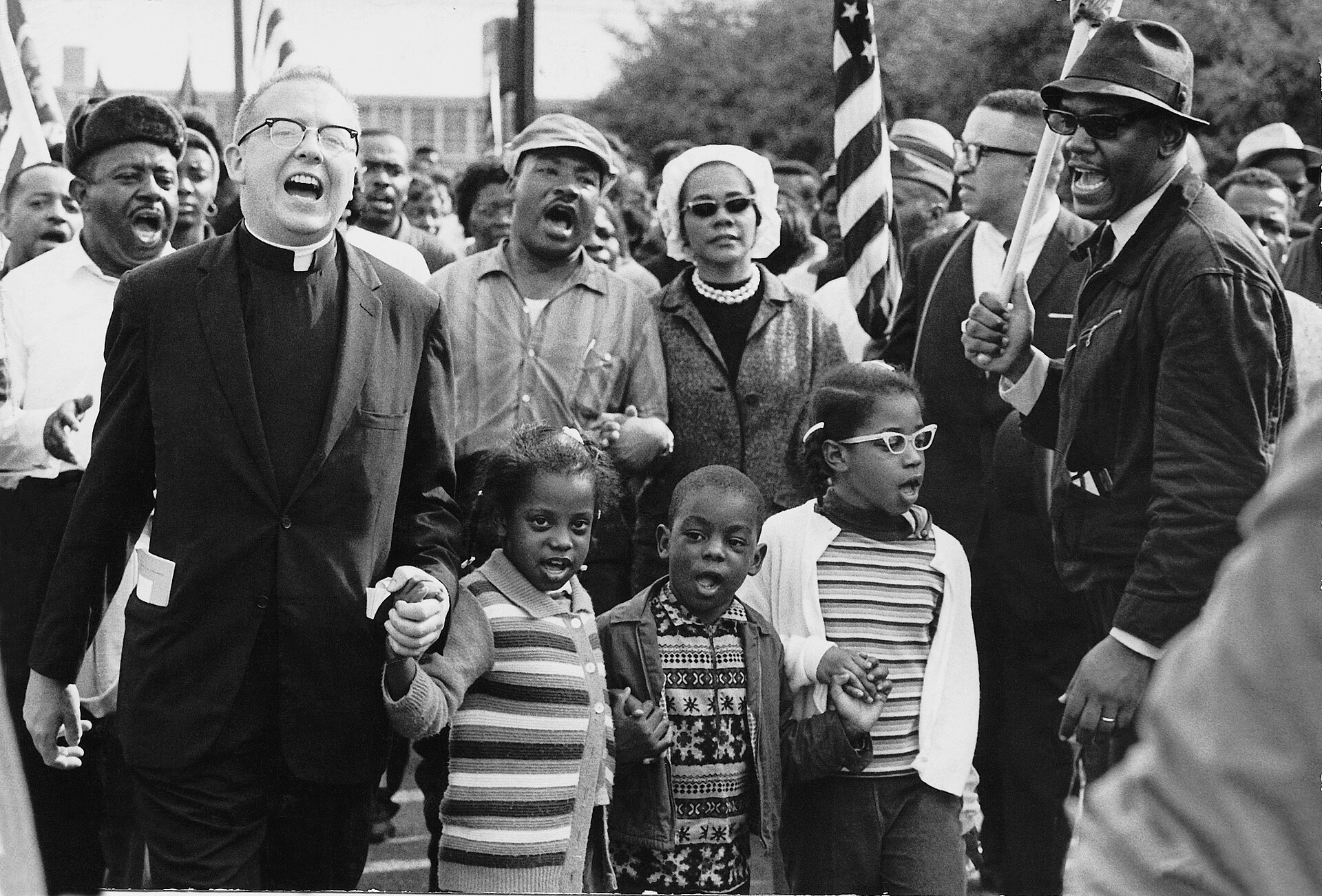
In contrast, Christian humanism embraces the way Jesus treated people from all walks of life with dignity and respect. Those who see themselves as Christian or faith-based humanists (Jews, Muslims, etc.) promote public policy which manifests respect for the dignity of each person. They strive to do what serves the common good without imposing any particular religious doctrine on anyone. Christian humanism is a moral force for the common good. It was behind the Quakers in the 1790’s who first offered amendments to abolish slavery. Christian humanism inspired abolitionists in the 1850’s, suffragettes in the 1920’s, the Catholic Worker movement in the 1930’s, and the Civil Rights activists in the 1950’s and 60’s.
As we approach the 250th anniversary of America’s declaration of independence from Great Britain, it is Christian humanism that we need, not Christian Nationalism, to enable us to live out those immortal words of Thomas Jefferson: “We hold these truths to be self-evident, that all men [people] are created equal, that they are endowed by their Creator with certain unalienable Rights, that among these are Life, Liberty and the pursuit of Happiness.”

Father’s Day Reflection – Lessons from D-Day, Prison Inmates, and Absent Dads
I once worked as a prison chaplain. I enjoyed the work and it was very challenging. For the first time I met and ministered to men who had done horrible things from murder to armed robbery. I wasn’t there to judge them. I was there to be the Church’s care for them.
One big surprise for me was Mother’s Day. IT WAS THE BIGGEST “CARD” DAY OF THE YEAR FOR THE MALE INMATES. Most inmates wanted our help to send a Mother’s Day card. For Father’s Day, requests to send cards were almost non-existent.

Army chaplains were with the young men who landed on the Normandy coast on June 6, 1944. Many who cared for the wounded on Omaha Beach on D-Day reported that so many of the dying cried out for their mothers!
What does this say about the job we men are doing as fathers? Certainly, there are many good fathers, but perhaps not enough.
“40% of all babies in the U.S. are born to unmarried women (in 1960 it was 5%).” (npr.org 11/17/25) “According to the U.S. Census Bureau, 18.2 million children, 1 in 4, live without a biological, step, or adoptive father in the home.” (fatherhood.org)
Children raised without a father often struggle with low self-esteem, depression, self-confidence, and emotional self-management. They have problems with aggression or withdrawing, acting out, forming healthy relationships, following rules, succeeding in school, etc. (https://theparentingpro.com/the-devastating-impact-of-absent-fathers/).

There are many well-studied, complex issues that contribute to fathers’ absence from their children’s lives. However, I think a key reason is that as a society we ask very little of young men in the way of preparation to succeed in adult relationships, especially as spouses and parents. As a therapist who has worked with both gay and straight men, I think this is true regardless of one’s sexual orientation.
What is often lost in conversation about what it takes to be an effective father is the dad’s relationship with the child’s mother. The best gift a father can give to his children is to love and be committed to the child’s mother. This relationship provides a healthy context in which the child can grow and flourish. Mom’s and Dad’s relationship is the “garden” in which the child is planted. If Dad is absent or has serious conflict with Mom, the child will still grow but often with the problems alluded to above. (As a marriage therapist, I understand women have a role in this dynamic, but this is an article about fathers.)
Most of our young men are going to hook up, at one time or another, with young women. Children will be conceived. It is woefully inadequate to tell these youth to be sure to wear a condom. Boys becoming men who never learn to discipline their sexual energy at an early age are a danger to others. This is true for both “straight” and “gay” young men, though I’m directing this article primarily to heterosexual youth. There is a reason for the “Me Too” movement. Can we not foster in our young men a profound respect for young women, and the capacity to accept the responsibility that is inherent in sexual intimacy and the possibility of conceiving a child?
Indigenous cultures understood this. Universally, indigenous cultures developed initiation rites to help boys become men and take on the responsibility of being an adult male in the community. These rites often involved pain and suffering because the boys had to learn as adults, they must bear any suffering so that the women and children live. Today it is often the opposite. Women and children, it seems, must bear any suffering so the fathers of the children “can live” with their toys, other partners, and self-centered freedom.

What needs to happen? We need to restore marriage as a cultural value to which our young men can aspire. This is not promoting purity culture. I’m for fully educating youth about sex, sexual energy, etc. However, we ought to challenge our young men to discipline their sexual energy and develop the qualities and gifts now that will allow them to succeed later in adult relationships, especially as a spouses and parents.
We ask discipline of our youth to succeed in sports, music and drama, academics, and vocational work. If we want to do better in fostering a generation of young men who are excellent fathers, we need to help them become excellent spouses. The best gift any father can give his children is to love their mother.

___________________________________________________________
(Illuman is an international men’s movement with the goal of helping men help each other discover a deeper, healthier masculinity rooted in the deepest truth of every male; he is God’s beloved son (https://www.illuman.org/). Some Illuman chapters have developed outreach to teenagers to help initiate them into healthy masculinity. For more information go to https://www.illumanofwa.org/teen-rites-of-passage-2/ . )
Hidden Treasure Retreat for Couples

Marriottsville, Maryland (west of Baltimore)
Hidden Treasure Retreat for Couples
August 7 @ 4:00 pm – August 9 @ 11:30 am $570
Christian Marriage Is Hard…and Beautiful
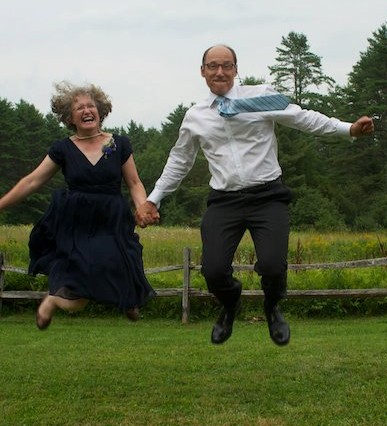
Robert and Lori Fontana, relationship educators, return to Bon Secours to help couples discover the amazing gift of married love (even if that love has been frayed a bit). Any couple that wants to succeed in love is welcome! Lori and Robert Fontana have been married since 1978. They have six children and seven grandchildren. Together they direct Catholic Life Ministries NW (CLM), a non-profit educational and counseling outreach.
Lori was primarily a home mom. She has a certificate in Spirituality and Theology and taught elementary school for 12 years. Robert has a master’s degree in Marriage and Family Therapy and has a clinical counseling practice in Seattle. Robert also has a Doctorate in Ministry and has worked professionally at the parish and diocesan levels in the Catholic Church, and now for CLM. Robert has taught throughout Washington State and in Catholic parishes around the country, as well as internationally in Swaziland, South Africa, Tanzania, Haiti, and Belize, Central America.
The retreat begins with The Marriage Jackpot Date Night on Friday evening, where you will meet Murphy the Marriage Salesman, do the “how well do you know your partner” quiz, sing old love songs, meet other couples, and enjoy great snacks and spirits.
The retreat continues into Saturday and Sunday, building on the insights and fun from Friday night. You will reflect on the beauty and challenges of Christian marriage; strengthen skills in communication, active listening, and self-awareness; explore together emotional needs for intimacy, affection, fun, and sexual fulfillment; and have an opportunity to bring healing and forgiveness to relationship hurts. This is a participatory retreat with opportunities during each session for spouses/partners to separately complete relationship inventories related to the topic, share their answers with each other, dialogue, and enjoy intentional time reflecting on their relationship…all while having fun together! Guided by Robert & Lori Fontana.
Check-in begins at 4pm. There will be a brief welcome session at 5:30pm, followed by dinner at 6pm. The retreat begins after dinner at 7pm on Friday and concludes before lunch on Sunday. Mass will be available Sunday morning for those who wish to attend.
The price of $570 is per couple and includes retreat, lodging, meals. You are most welcome to commute. To register or for more information please email Doris.Gallagher@BonSecoursRCC.org.
If you would like to register a group to attend this retreat, please call our Welcome Center at 410-442-3120 or email Doris Gallagher, Manager of Marketing & Events, at Doris.Gallagher@BonSecoursRCC.org.
The Holy Spirit, Teenage Rob, Good Examples, and one Angry Parent
By Robert Fontana
Catholics and Christians the world over celebrated Pentecost on May 24. What wonderful readings for the day! The disciples of Jesus, including his mother Mary, were transformed from a scared group of believers into a powerful community of faith, hope, and love. Something like this happened to my parents and their friends when I was a teenager. The stirring up of the Holy Spirit transformed their lives, and their transformation transformed me. I wanted what they had and prayed for the Holy Spirit to come into my life, and I was in the 8th grade!
And the Spirit came, slowly. Something was burning in my heart. I heard no words, no voices, no visions; there was just a deep hunger and desire to know God’s love in Jesus. My close friends did not share my enthusiasm for my newfound faith. I eventually found support from some upper classmates who had gone through the SEARCH program at the diocese and had a hunger to know God as I did. I still struggled with teenage issues, but I did so with a growing faith.
This was at the time when there were a good number of Catholic priests in the diocese who were sexual predators. I later learned that a family member and some close childhood friends were molested. I was fortunate to have good priests offer me guidance and support. Fr. Charlie Mallet was a family friend that all of us could laugh with and learn from. Fr. Ronald Groth taught me how to pray. Msgr. Richard Mouton taught me to value good liturgy and take Catholic teaching seriously. And later, Trinitarian priests Fr. John Edmunds and Fr. Dennis Berry guided me on a path to a theological education and a career in ministry.
There were many lay people who showed me that growing in the Christian life was fun and meaningful. My parents and friends worked on building strong marriages and restoring Christian discipleship to the home. They prayed with and studied Scripture and Catholic teaching; they reached out to serve the materially poor; and they participated more fully in parish life.
I carried this experience from my home parish to college where I met Lori. She was active in a campus ministry and community that was actively seeking the Holy Spirit’s guidance to respond to the social issues of the day: the aftermath of Vietnam, poverty and hunger at home and abroad, care for the unborn and the elderly, and the threat of nuclear war. It was Trish Richardson who introduced Lori and me to Franciscan spirituality and a path to serving the poor by living a lifestyle that was modest, just, and simple.
We had a chance to put that lifestyle into practice when I was invited to work as a parish youth minister in my hometown at a very humble salary. Lori and I, with two little children, rented a home just a few miles from my parents where we joined with a few other families trying to create community in a poor, racially mixed neighborhood.
The Holy Spirit had another lesson for me to learn: to lean on the Spirit when confronted with evil:
“When they bring you before the synagogues and the rulers and the authorities, do not worry about how or what you are to speak in your defense, or what you are to say; for the Holy Spirit will teach you in that very hour what you ought to say.” Luke 12:11-12
A teenager in my Confirmation class invited me to her home to speak with her dad. I gladly did so but was greeted with AN ANGRY MAN STARING ME DOWN.
After introducing myself he yelled at me. “GET IN HERE.” My knees shook.
He continued, “WHO ARE YOU TO TEACH MY DAUGHTER TO LOVE THE BLACKS. I’M A GOOD CATHOLIC. I KNOW WHAT IT MEANS TO BE A CATHOLIC, AND IT’S NOT ABOUT THE BLACKS.”
I was shaking all over until I heard a voice speak loud and clear in my mind. I’m sure it was the Holy Spirit: “YOU CANNOT BACK DOWN TO THIS GUY!”

My legs grew strong and my spirit was buoyed with confidence. When he finally took a breath, I said calmly but firmly, “BLACK PEOPLE ARE OUR BROTHERS AND SISTERS.”
He went berserk, grabbed me and threw me against the wall, scratching my face, yelling, “I WILL KILL YOU, YOU G** D*** N***** LOVER!
He continued to yell as he chased me out of his house. The Holy Spirit did not have to tell me to run like mad. My feet barely touched the floor as I fled from his house to the safety of mine. What sparked his anger? I had placed his daughter in a Confirmation small group which met in the home of the catechist, a former classmate of mine and a lovely African American woman.
I write about my early years of living a “Spirit-filled life” because the Spirit took me in a direction that I would not have taken on my own. Some of my best friends in high school struggled with drug and alcohol addiction. Others got lost in the world of money and materialism. Still others advocated for White Supremacy causes. If we allow her, the Holy Spirit leads us on a path where we can use our God-given gifts and talents in the world and in the Church to be a power for good. It is not always an easy path, but it is a joyful and meaningful one.
Lori and I pray to the Holy Spirit daily to draw us close to God and to do God’s will. This is our prayer:
Holy Spirit, be in my head and in my heart. Be in my eyes and in my looking; be in my mouth and in my speaking; be in my ears and in my hearing; be in my hands and in my working, this day and always.

“Robert, why should a couple work on their marriage?”
By Robert Fontana
“Robert, why should a couple work on their marriage?” This is a real question I recently received. Here’s my response.
When Lori and I were married back in the Stone Age – 1978 – we knew that we were going to have a great marriage. We were best friends, enjoyed doing so many of the same things, and were deeply rooted in our common faith in God.
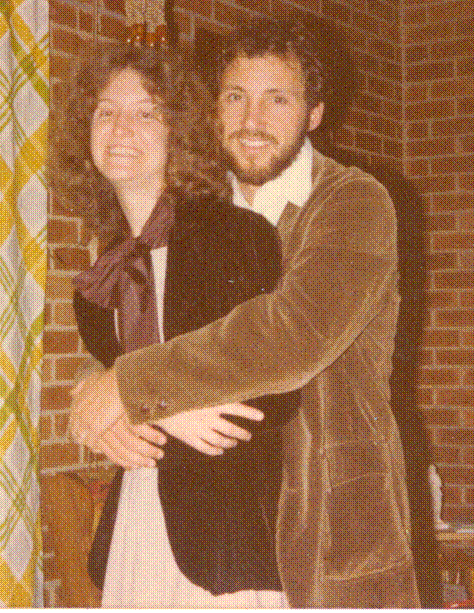
Fast forward to 1985. We moved away from family so that I could attend graduate school to study theology. We were having babies… following the Catholic family planning method…which means three kids in five years, and number four was a bun in the oven. I was working as a parish youth minister, mostly nights and weekends, going to school in the mornings, and studying during my “free time.”
You can imagine how Lori felt all those months while I was in school – like a single mom. We finally had a “come-to-Jesus” meeting. What became clear was that we had put our marriage low on the list of priorities so that we could respond to the demands of school, work, and children. It wasn’t “bad things” that had slowly pulled us apart, no drugs or alcohol misuse, gambling addiction, retail therapy, or another person. It was good things that we both valued.
We also discovered during this time of frank conversations that, although we were still friends and certainly loved each other, we had less in common than we first realized. This became clear when each of us wrote out what we needed from the other.
Lori’s list was:
1. Be home when you say you are going to be home.
2. When you arrive home, if the children are asleep, DO NOT WAKE THEM TO PLAY WITH THEM.
3. If there are dishes to be washed and diapers to be folded or I am comatose, there is no romance.
4. If you write a check, record a check (and correctly).
My list was:
1. Don’t sweat the small stuff.
2. Let’s be flexible.
3. Let’s be spontaneous.
4. When we’re home, play before chores. (I had a lot of growing up to do.).
Comparing our lists, we started to laugh. Lori was basically saying she wanted me to act like her, and I was saying that I wanted her to act like me. Essentially, we both wanted to be married to ourselves. What a nightmare that would be.
We had stumbled onto a “truth” that the marriage research gurus, John and Julia Gottman, have learned during 30 years of studying couple behavior: 70% of conflict between couples is based on this reality: Spouse A is not Spouse B; Spouse B is not Spouse A.
We finally addressed just how different we were from each other. Without realizing it, whenever we had a disagreement, we were in a kind of “tug-of-war” to see which one of us would get his or her way. Once we learned to accept how different we were/are from each other, we were able to do the slow and demanding work of finding unity and agreement on all issues.

We came to see that if the marriage was going to win, we had to work through an issue to the point that we both could live with it without resentment. Today, unity is so important in all that we do that with each issue that comes up, we want unity more than we want our own way!
By working on understanding one another and seeking unity in all things, we learned to make our relationship a priority. This was not easy. The demands of “good things” – children, work, church, chores, friends, and even extended family – were still crying for our attention. We learned to prioritize quality and quantity time for each other.
The fruit of this has been our developing love and friendship at a much deeper level than when we first married. Night after night we go to sleep with peace between one another. I think this is the peace that Jesus refers to as the peace that comes from him, “a peace the world cannot give.” (John 14:27)
Couples need to work on their marriage so that they do not take each other for granted and allow other good things to draw them apart. They also need to work on their marriage so that they can learn to negotiate their differences and stop trying to win a dynamic that cannot be won – Spouse A will never be Spouse B and vice versa.
When couples fail to negotiate their differences and take each other for granted, allowing other good things to have greater priority in the marriage, conflict can arise and intensify. When this happens, spouses open themselves to finding emotional comfort elsewhere – in work, alcohol, hobbies, church, shopping, or another person. All this can seriously undermine marital trust.

Work on your marriage and your marriage will work. Make sure every day you debrief with each other the good and not-so-good of your day. Build in fun – walks, Scrabble, foot massages – these are possible even with small children in the home. Read books together to continue to learn about how to better your marriage. Try to attend a workshop or retreat every 4—5 years as part of your marriage maintenance program.
If necessary, if the relationship frays, do not hesitate to seek out a therapist trained in couple’s conflict. If your car has signs of a motor problem, you rush it to the mechanic. Do the same thing with your marriage. Do not wait until resentment and distance are so great that the two of you can hardly talk to one another.
Work on your marriage and your marriage will bring forth the very thing that led to your getting married in the first place; friendship, fun, deep trust, loving intimacy, and peace.
This is why a couple should work on their marriage!
Christian faith is not [primarily] a “religion of the book” [the Bible]
By Robert Fontana

Christian faith is not [primarily] a “religion of the book” [the Bible].
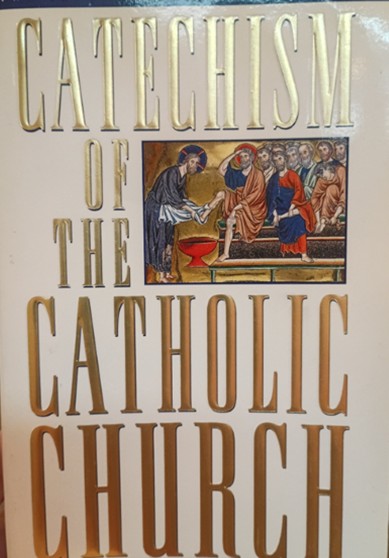
That statement comes from the Catechism of the Catholic Church and not from me!
[Jesus ]Christ, the Son of God made man, is the Father’s one, perfect and unsurpassable Word. In him he has said everything; there will be no other word than this one. Art 65
Christian faith is not a “religion of the book.” Christianity is the religion of the “Word” of God, “not a written and mute word, but incarnate and living.” If the Scriptures are not to remain a dead letter, Christ, the eternal Word of the living God, must, through the Holy Spirit, “open (our) minds to understand the Scriptures. Art 108
Catholics (and other Christians) believe that the “Word of God” is the Risen Jesus present in the Church and in the world.
We know the risen Jesus in the written word of God but also in the lives of the saints, communal worship, the ministry and teachings of church leaders, and by faithful followers who love and care for one another. This is true for us today, and it was true of the early followers of Jesus who did not have a New Testament for the first 350 years of church life.
Who came first, Jesus or his disciples? Jesus. Who/what came first – the followers of Jesus (the church) or the New Testament? THE FOLLOWERS OF JESUS! Here’s an outline of how it happened.
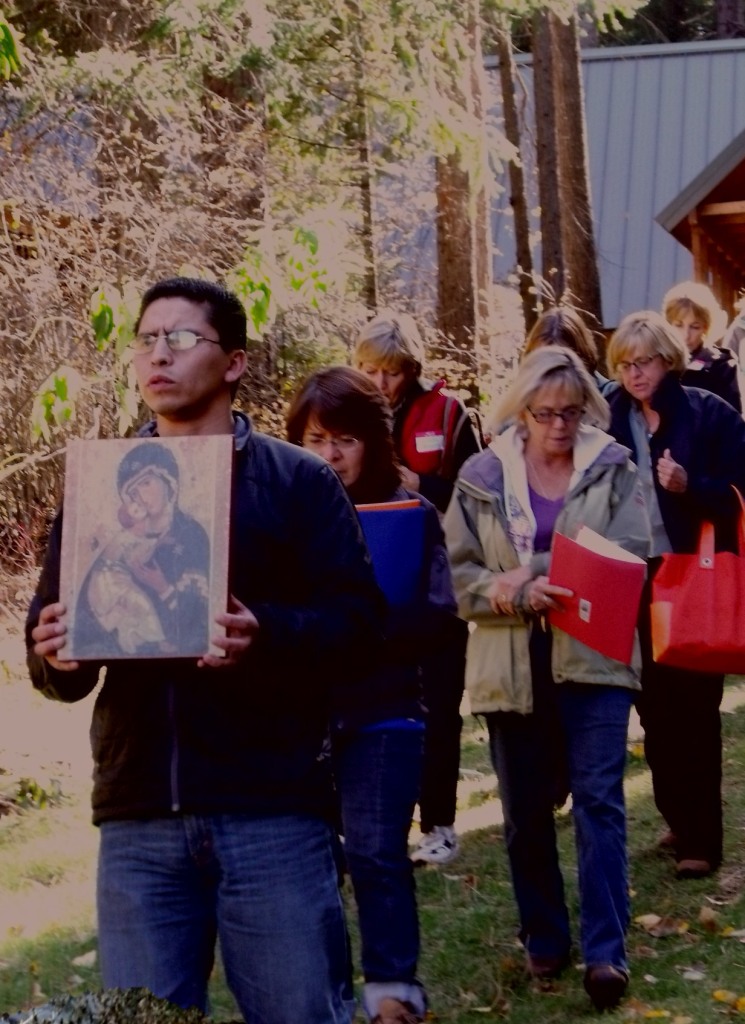
1. Jesus proclaimed the Kingdom of God, gathered disciples, was crucified, rose from the dead, and commissioned his followers to proclaim the “Good News” to all the nations (33 AD).
2. The first generation of Jesus’ followers, believing that Jesus was going to return soon, urgently proclaimed his life and message through an “oral proclamation.” This included the organizing of churches and the writing of epistles (33-60 AD). During this time the followers of Jesus experienced the risen Jesus’ guiding them through the Holy Spirit to do the will of God. They shared this experience of the Risen Jesus, who is “the Word of God.” They did not have a written text; they passed on the stories through an oral tradition that included:
a. remembering Jesus in the “breaking of the bread;”
b. recounting the stories of Jesus during worship;
c. showing how the Jewish Scriptures is fulfilled in the death and resurrection of Jesus;
d. baptizing and teaching converts, and developing short creeds, songs, and prayers;
f. caring for one another and confessing sins to one another;
g. resolving disputes through the gathering of leaders in “councils.”
All these practices are mentioned in the letters of the New Testament that were written before the Gospels. They give us insights into the “oral transmission” of the Word of God, all before there was a written New Testament.
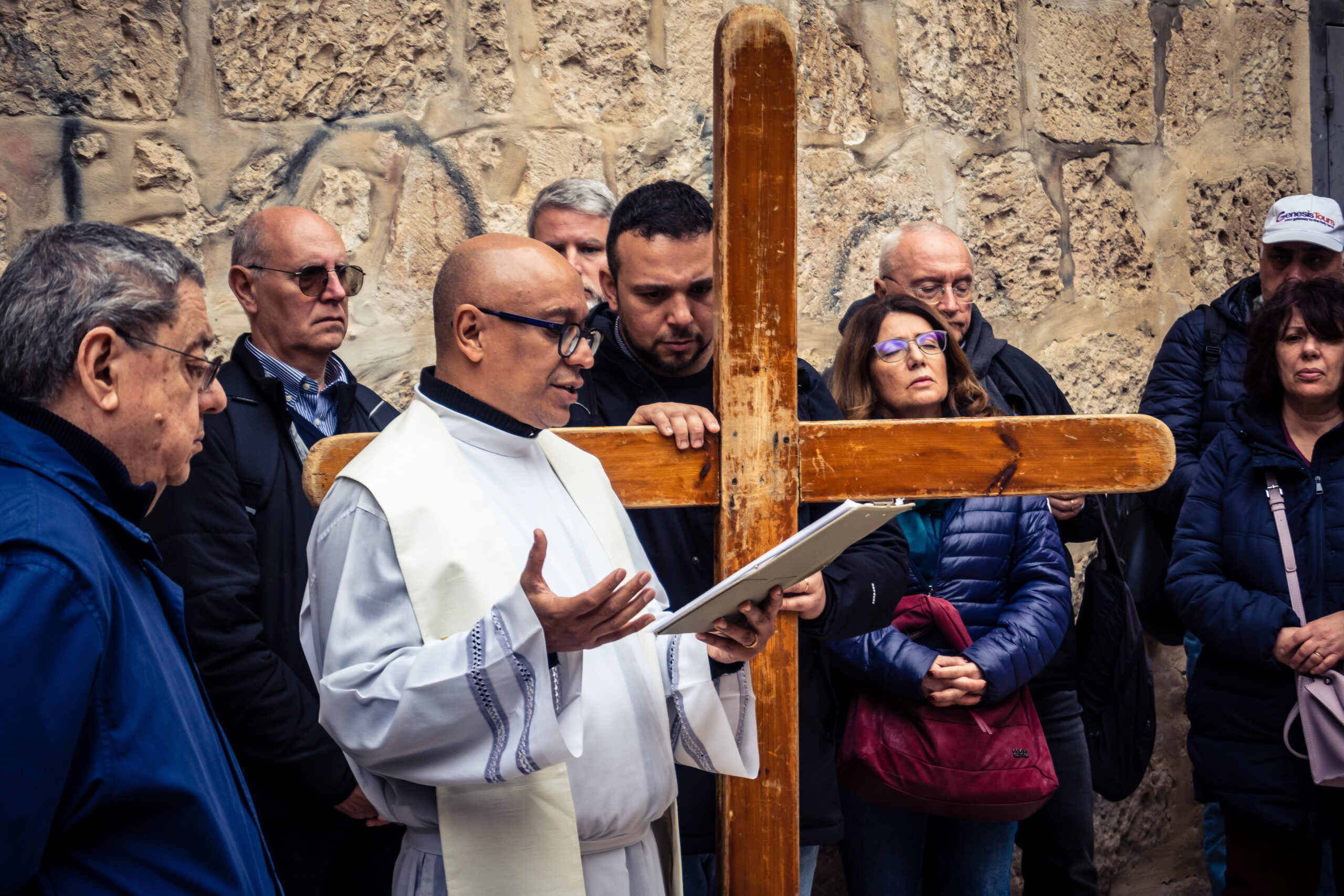
3. The stories of Jesus’ adult life, teachings, death, and resurrection were finally put in written form called “Gospels.” The Gospels are composed from these oral traditions. They were written at different times to different faith communities for two reasons: to pass on the life, teachings, and spirit of Jesus and to address specific issues with which the different churches were dealing. This explains why the Gospels are similar but different. Mark wrote to Gentile Christians who were suffering persecution (68 AD). Luke wrote to Gentile Christians who were poor (75-85 AD). Matthew wrote to a Jewish-Gentile community (75-85 AD), and John wrote to a mixed community started by the “Beloved Disciple” (95-100 AD).
Between the time when the Gospels were first written and the completion of the New Testament as we know it, the oral transmission of the “Word of God” continued.
4. Leadership of the “The Way,” as it was known in the years after Jesus’ death (see Luke’s Gospel), transitioned from the Jewish followers of Jesus in Palestine to the Gentile followers of Jesus throughout the empire. The followers of Jesus were called Christians. Doctrines about the Trinity and the divine nature of Jesus were developed. The “bishop” becomes the primary leader of a local church. Bishops discerned (and debated) about which written documents, from the Gospels to the various letters written by missionaries, were to be included in the “Christian Scriptures.”
One proposal was to have just one Gospel, Luke, to eliminate confusion, and reject the other three Gospels of Matthew, Mark, and John. This bishop also wanted to reject the Jewish Scriptures. That proposal was rejected by a council of bishops who prayed and discerned that all four Gospels would be included in the Christian Scriptures, as well as the letters of Paul, James, Peter, Jude, the Book of Revelations, and the Jewish Scriptures.
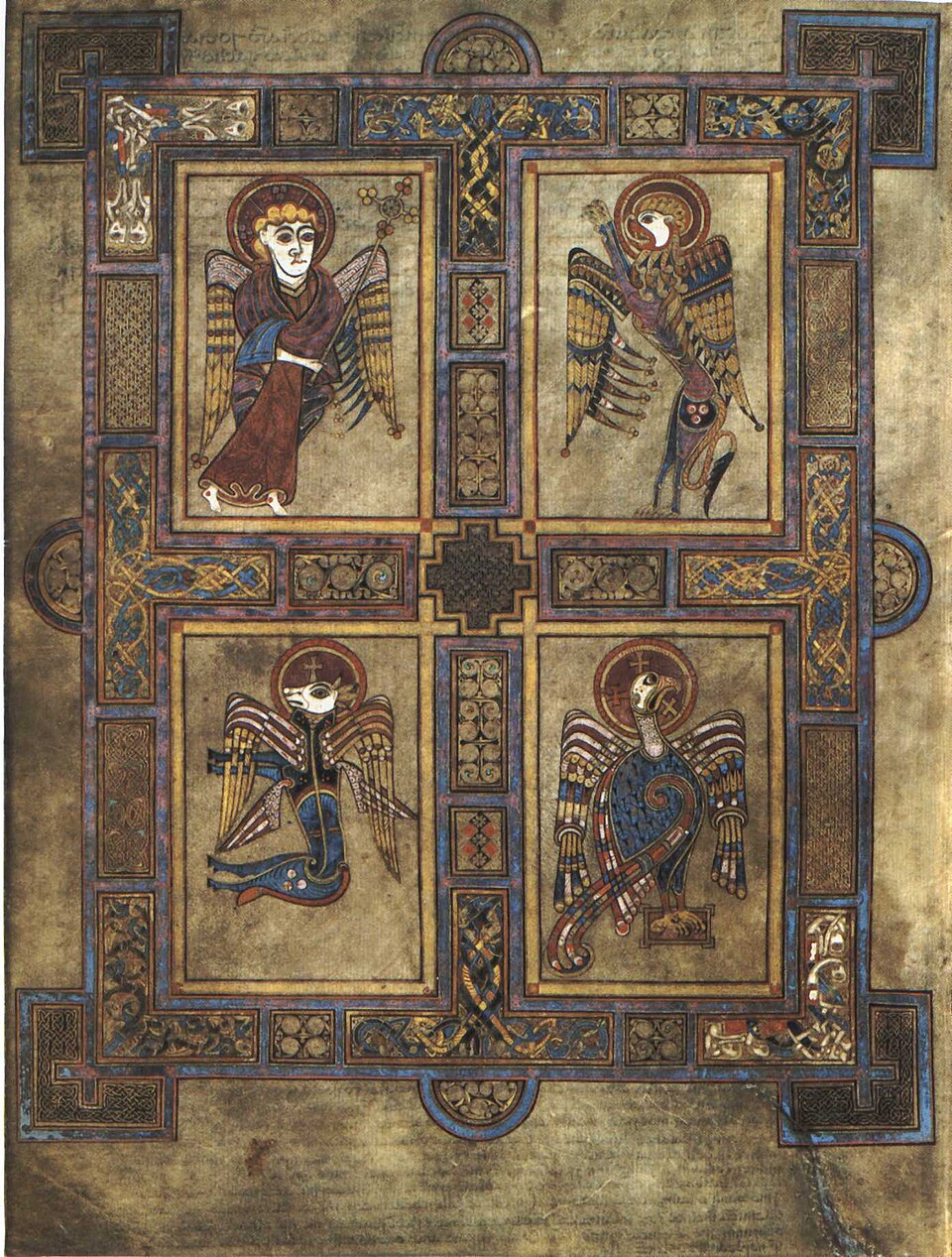
The final version of the New Testament took form between 350—394 AD. It is a product of the life and faith of the Church which kept the life, teachings, death and resurrection of Jesus alive without a book for 350 years. The “Word of God who is the Risen Jesus,” whose story is contained in the Bible, was not, is not fundamentally entrusted to a book, but to the Christian faithful.
Here’s how the Catechism of the Catholic Church puts it:
“The Word of God…is set forth and displays its power in a most wonderful way in the writings of the New Testament …Their central object is Jesus Christ, God’s incarnate Son: his acts, teachings, Passion and glorification, and his Church’s beginnings under the Spirit’s guidance.” Art 124
Pete Hegseth, Christian Nationalism, and Jesus
By Robert Fontana
Have you read the prayer that Secretary of Defense Pete Hegseth prayed before the US military’s actions against Venezuela and continues to promote through the war on Iran? Here’s a summary:
“Almighty God, who trains our hands for war…behold now the wicked who rise against your justice and the peace of the righteous…Pour out your wrath upon those who plot vain things…Grant this task force clear and righteous targets for c violence….let every round find its mark against the enemies of righteousness and our great nation…let justice be executed swiftly and without remorse…in the mighty and powerful name of Jesus Christ.” (March 25, 2026)
Keep in mind that this prayer was distributed through military chaplains to the troops, many who are Jews, Muslims, Hindus, Christians of all stripes as well as atheist and agnostics. What is going on here?

Hegseth is following the teachings of far-right pastor Douglas Wilson who advocates for the United States to become the “Christian nation” that, according to Wilson, the founders intended. His brand of Christian nationalism promotes men as the head of the home and the nation. Wilson would repeal the 19th amendment giving women the right to vote. Fundamentalist Christianity would be the legal religion of the land. Wilson has expressed views in sympathy with the Southern Confederacy. He once wrote that southern slavery produced feelings of affection between the White and Black races. (see: wikipedia.org/wiki/Douglas_Wilson_(theologian)
Wilson stated that the description that best fits him is “Christian nationalist.” “Christian nationalism is a form of religious nationalism that focuses on promoting the Christian views of its followers in order to achieve prominence or dominance in political, cultural, and social life…Christian nationalists seek to preserve the status of a Christian state…American Christian nationalism is based on a worldview that, based on divine decree, America is superior to other countries. It posits that only Christians are “true Americans.” (wikipedia.org/wiki/Christian_nationalism)
What Wilson and Hegseth are trying to do in making their version of Christianity into the state religion in the United States is what Hitler and the Nazis did in 1933 Germany. They absorbed 28 regional Protestant Churches into the National Reich Church which fully supported the Nazis and their policies. Pro-Nazi German Christians wanted a “nazified version of Christianity.” Their leader, Ludwig Müller, was a rabid Nazi and antisemite who was named the first bishop of the National German Church. SCARY! (see – https://encyclopedia.ushmm.org/content/en/article/the-german-churches-and-the-nazi-state)
Here’s Pope Leo’s response to Hegseth’s prayer: “Brothers and sisters, this is our God: Jesus, King of Peace, who rejects war, whom no one can use to justify war. He does not listen to the prayers of those who wage war, but rejects them, saying: “Even though you make many prayers, I will not listen: your hands are full of blood” (Is 1:15).”
Is Christian Nationalism Christian? NO! Hegseth and the Christian Nationalist misuse Scripture to reinforce their worldview of American power led by White men. They reinterpret Jesus’ death and resurrection to mean salvation for the few, mainly Christian nationalists. They ignore practically all of Jesus’ teachings as expressed in the Beatitudes and the Sermon on the Mount, his practice of eating with “sinners,” his empowerment of women as disciples and witnesses to the resurrection, and his embrace of the marginalized and poor. They ignore the Old Testament prophets who challenged the corruption of Israel’s political leadership with a demand for justice: …let justice surge like waters, and righteousness like an unfailing stream. (Amos 5:24) and care for the poor: Is this not, rather, the fast that I choose: releasing those bound unjustly, untying the thongs of the yoke; setting free the oppressed, breaking off every yoke? Is it not sharing your bread with the hungry, bringing the afflicted and the homeless into your house; clothing the naked when you see them, and not turning your back on your own flesh? (Isaiah 58:6-7).
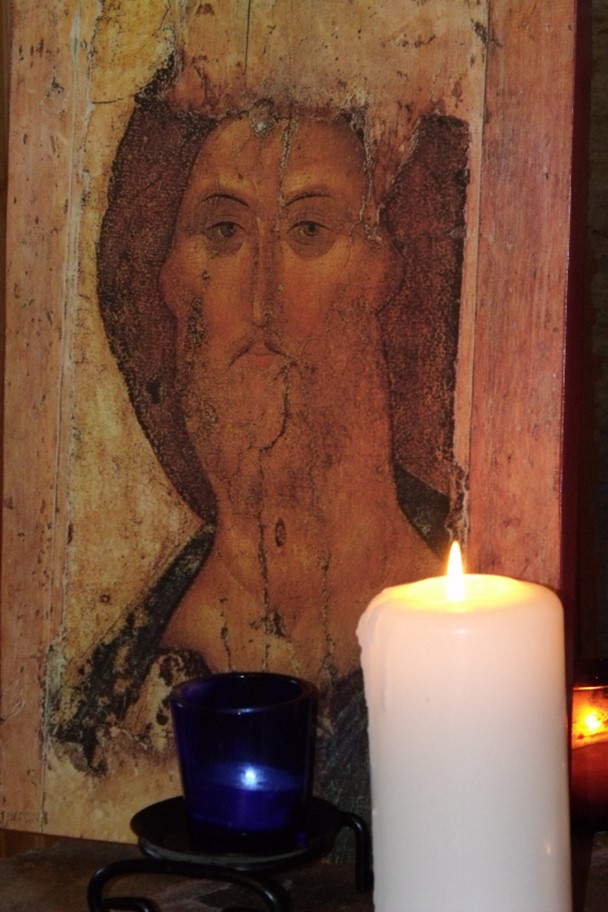
They reject the truths of God revealed by Jesus. These are summarized by Fr. Ron Rolheiser in his book Insane for the Light:
1. God has no favorites. No one person, race, gender, or nation is more favored than others by God…All who seek to do God’s will, whether Christian or not, are acceptable to God. Then Peter proceeded to speak and said, “In truth, I see that God shows no partiality. Rather, in every nation whoever fears him and acts uprightly is acceptable to him.” (Acts 10:34-35)
2. God is scandalously understanding and compassionate, especially toward the weak and sinners…God does not have preferential love for the virtuous, [manly, or powerful]…many tax collectors and sinners came and sat with Jesus and his disciples. The Pharisees saw this and said to his disciples, “Why does your teachereat with tax collectors and sinners?” He heard this and said… “Go and learn the meaning of the words, ‘I desire mercy, not sacrifice.’ I did not come to call the righteous but sinners.” (Matthew 9:9)
3. God is good news for the poor. Any preaching in God’s name that isn’t good news for the poor is not the Gospel. Then the king will say to those on his right, “Come, you who are blessed by my Father. Inherit the kingdom prepared for you from the foundation of the world. For I was hungry and you gave me food, I was thirsty and you gave me drink, a stranger and you welcomed me, naked and you clothed me, ill and you cared for me, in prison and you visited me.” (Matthew 24:34-36)
Pete Hegseth, Pastor Doug Wilson and Christian nationalists have little in common with the Jesus they profess to believe in. This is an age-old problem going back to the New Testament times. Matthew’s warning to his readers applies to us today:
Not everyone who says to me, “Lord, Lord,” will enter the kingdom of heaven, but only the one who does the will of my Father in heaven. Many will say to me on that day, “Lord, did we not prophesy in your name? Did we not drive out demons in your name? Did we not do mighty deeds in your name? Then I will declare to them solemnly, “I never knew you. Depart from me, you evildoers.” (Matthew 7:21-23)
