I NEED CHRISTMAS (AND SO DO YOU!)
By Robert Fontana
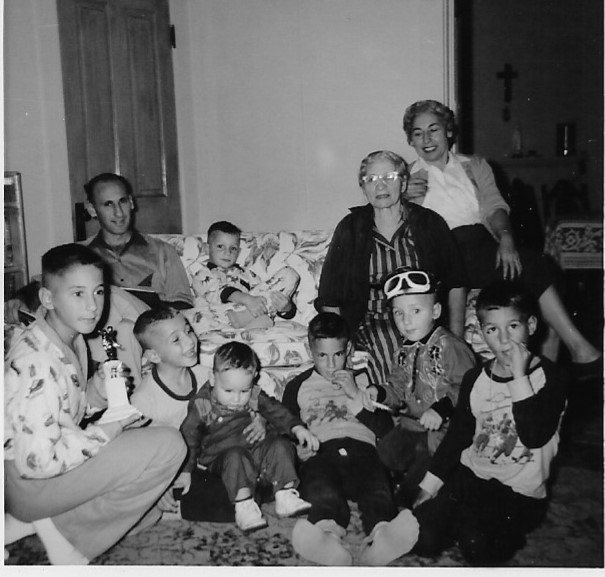
I shared a bedroom with two brothers, Francis (older) and John (younger). On Christmas Eve, we three Santa Claus believers were on high alert listening for any signs of St. Nicholas. I clearly remember one night when we almost jumped out of our pajamas believing we had heard the jingle of bells outside, signaling the arrival of Santa and his sleigh. We rushed to the window and scanned the sky for signs of Santa. (Can you guess which one I am in the photo below?)
I’m not sure when we learned that Santa was just a fun story and the gifts that showed up after Midnight Mass came from Mom and Dad. But in that transition, I learned that the real reason for the “Christ – Mass” at midnight was the birth of God’s beloved Son, Jesus. That story carried me for a while with a child’s faith. I said my prayers at night – Our Father, Hail Mary and Glory Be – and during every football game my brothers played in.
My child’s faith, which was basically the faith of my parents, was transformed into my own personal faith when I was in 8th grade. Mom and Dad had been having marriage trouble. Rather than going to divorce court, they went to a prayer meeting; and each had a personal experience of Jesus that changed their lives. Their transformation transformed me. Dad shared his faith with me, and I had a burning in my heart to know God’s love and friendship as he did.
That made all the difference in my high school years. I struggled with all the same adolescent issues that others did, e.g. self-esteem, friendships, siblings, parental approval, sexual discipline, girls, college, academic challenges, athletic challenges, and developing the coping skills to handle all the emotional issues that come with teen life. Faith in Jesus offered me a healthy way to manage these difficult emotions and saved me from “going off the deep end.”
Not so for some of my friends who did not have the experience of faith that I had and coped with teenage life by dabbling in drugs, drinking, and sex. By the time college came around, these ways of coping were ingrained habits that nearly killed them. Thankfully, some found a path towards sobriety and loving relationships later in life. I believe I was protected from a similar path by God’s grace, and the Catholic Christian friends that I was meeting through the high school retreat program called Search.
I learned early on that “I wasn’t good because I loved God,” to quote Fr. Richard Rohr, “I was good because God loved me.” And I needed God’s love and the love of friends to continue working at being good and doing good. That was true in my youth, and it is true today. Pastor Rick Warren, the founder of Saddleback Church, once said, “Under the right circumstance I’m capable of any sin and, so are you.” When I heard that, I said to myself, “and so am I.”
I need Jesus and a community of faith in my life to help me live a healthy, holy, humane life this side of heaven. In fact, this is one of the reasons for Christmas. Jesus, God’s beloved Son, born of Mary, came to give men and women a better way to live, as summarized in the Great Commandment: love of God and love of neighbor. In following the Jesus way of living, we get a taste of heaven before heaven. Not perfectly, not without pain and suffering. Yet, the path of faith, hope, and love, embraced as a way of life, does yield the fruits of the Spirit described by Paul in Galatians, “love, joy, peace, patience, kindness, generosity, faithfulness, gentleness, and self-control.” Wouldn’t that be a taste of heaven if we had these qualities as a pattern for our lives?
That brings me to Christmas. Jesus is the reason for Christmas, and his legacy of unselfish love of neighbor animates this time of the year even in its secular form. We see the evidence beyond the lights and glitter of commercial Christmas: family and friends laying aside hurts and grudges and gathering in homes for song and merriment; Salvation Army and St. Vincent de Paul volunteers collecting money, toys, and clothing for those in need; neighbors reaching out to each other with a plate of cookies or gingerbread; and strangers offering one another a cheery “Merry Christmas” or “Happy Holidays.”
The power of Christmas to animate the culture was most eloquently expressed in Charles Dicken’s story A Christmas Carol.

Scrooge, arguing with his nephew Fred about Christmas, is emphatic that Christmas, because it has not made Fred a richer man, has done him no good. Here is Fred’s response:
“There are many things from which I might have derived good, by which I have not profited, I dare say, Christmas among the rest. But I am sure I have always thought of Christmas time, when it has come round, — apart from the veneration due to its sacred origin, if anything belonging to it can be apart from that, — as a good time; a kind, forgiving, charitable, pleasant time; the only time I know of, in the long calendar of the year, when men and women seem by one consent to open their shut-up hearts freely, and to think of people below them as if they really were fellow travelers to the grave, and not another race of creatures bound on other journeys. And therefore, Uncle, though it has never put a scrap of gold or silver in my pocket, I believe that it has done me good, and will do me good; and I say, God bless it!”
I need Christmas, and so do you. “God bless it!”
PS: I’m the one wearing the goggles. Francis is sitting next to my dad. John is the little guy with the white shoes.
Homespun Homily by Lori: The Chaplet of Divine Friendship
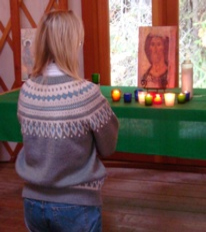
During the months of lockdown in the pandemic, one benefit we enjoyed was that Robert and I grew in our appreciation of the Chaplet form of prayer. We prayed the Divine Mercy Chaplet with family members and friends over Zoom. Soon we discovered the sung version of this chaplet, which I especially enjoy praying and singing through.
Eventually, Robert developed our own simpler form of the chaplet type of prayer, calling it the Chaplet of Divine Friendship. The format is very similar to other chaplets, with an introductory prayer, the antiphon chanted before each of the five “decades,” and the ten repetitive short prayers, prayed in the call and response pattern.
The chaplet prayer has much in common with the rosary. Its repetition allows for calm reflection. It doesn’t require a lot of thinking but rather touches the heart and the spirit. This is one reason why I appreciate this form of prayer so much – when I pray / sing the chaplet, my worries are pushed to the side. My anxious thoughts are drowned out by the simple declarations of faith in the chaplet’s prayers. Praying the chaplet helps me in my everyday life. It is a form of contemplative prayer.
I pray it when I’m driving – I can hum the prayer and still pay close attention to the crazy Seattle traffic. I pray it when I’m waiting – in grocery check-out lines or at a grandchild’s soccer practice. I pray it when I’m walking to the post office or library, when I’m worrying about a problem as I wash the dishes or clean the bathroom, when I awake in the night and can’t sleep. Increasingly, I’ve been intentional about turning to this simple prayer because I KNOW it’s so much better, so much more productive than complaining or ruminating or drowning in “what if’s.”
We hope that you will take a look at the Chaplet of Divine Friendship which we’ve recorded at this YouTube link: https://youtu.be/xX_idGXc-20
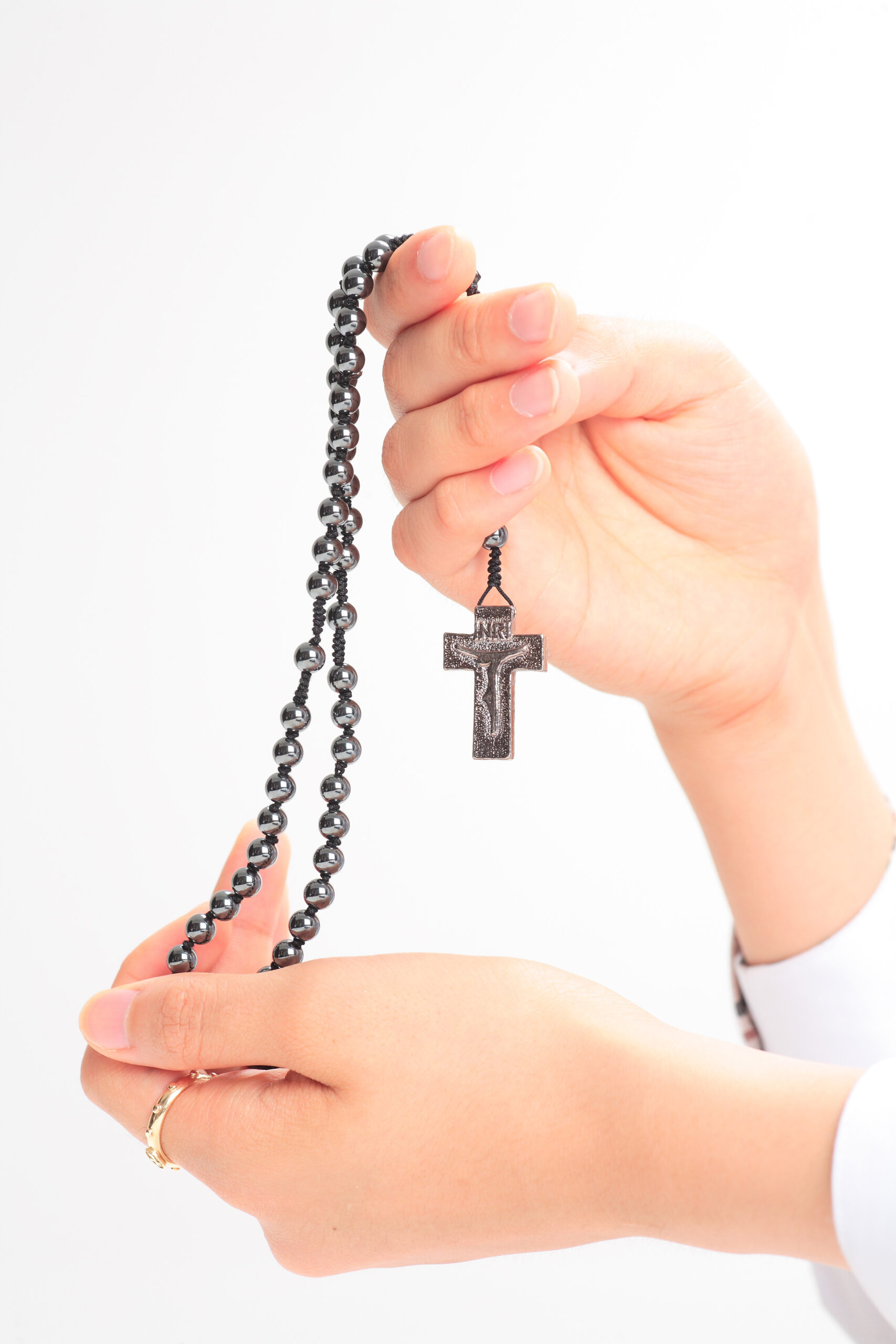
Try it for Advent. Use your rosary to help you keep count of the chaplet decades. May it be a help to you, a calming, encouraging reminder of the great love of Jesus for YOU.
An Advent Spiritual Practice: The Chaplet of Divine Friendship_________________________________________
Opening Prayer – In the name of the Father…Abba Father, Lord of heaven and earth, you created woman and man in your image and likeness and planted them in the garden of earth to love one another and to care for the flora and fauna of the earth. You did not leave them alone but walked alongside them as you walked alongside our biblical ancestors Abraham and Sarah, Isaac and Rebekah, and Jacob and Rachel. And in the fullness of time, you sent your beloved Son Jesus, to be not merely our Lord and Savior, but our friend. Jesus said, “I have called you friends, for everything that I learned from my Father I have made known to you.” (John 15:15) (5 decades)
All– Abba Father, so loved the world, he gave His only Son, not to condemn the world but to save everyone, to save everyone.
Leader – Jesus our brother, kind and good (10 x’s)
All – I trust in you, I trust in you.
After the 5th decade:
Closing Prayer: Abba Father, Lord of heaven and earth, thank you for giving us Jesus as our friend and brother. Help us to return His friendship by being attentive to the Holy Spirit’s working in our lives and in the world and having the courage to follow the Spirit’s prompting always. In the name of the Father…
A Reflection on Women in the Church (guest writer)
Lorene Davidson was asked by our pastor to give a reflection on Women in the Church in place of his homily on the Feast Day of ST. Phoebe, deaconess and companion of St. Paul (Romans 16:1). She has given us permission to reprint it here.
When Fr. Oliver asked me to offer this reflection, I had just heard Maria Laughlin from St. James Cathedral share her experience of the synod gatherings in our archdiocese. It filled me with hope for the future of our church. People of all ages and backgrounds came together to listen to each other intentionally and share from their hearts what they envision for the future of our church. She said that the Holy Spirit’s presence was evident.
When the results of the first phase of the global synod were published, I felt uplifted and energized. People from all around the world believe that there is an urgent and critical need to rethink women’s participation in the church. The number of priests is dwindling. We need more vocations to the priesthood, but we also need laypeople to step forward to help – both laywomen and laymen. Religious women and men are also a great resource.
There are nuns all over the world carrying out leadership roles, but they often lack official recognition or support. There are women in the Amazon acting as deacons with the blessings of their bishops. Because there are so few priests, some remote communities do not see a priest for six months to a year. These women are baptizing, officiating at marriages, and ministering to the spiritual and physical needs of the communities. And yet, these women cannot be ordained as deacons.
Where is St. Phoebe in all this? St. Phoebe was a deacon and benefactor of the church in Greece. She, along with other women and men, spread the gospel across Asian Minor and east to the Roman Empire. St. Paul himself commended her to the Christian community in Rome, asking them to receive her in the Lord and treat her in the manner of the holy ones. Paul said that she was a benefactor to many including himself. (Romans 16:1-2). Think of the courage it took for a woman to travel 700 miles to a country and community she did not know. Imagine that strength of her faith. She is a reminder that there is historical precedent for women deacons in the Catholic Church.
I have seen so many changes in our church during my lifetime. When I was a child, we did not have “Altar Servers,” we had “Altar Boys.” There were no lectors or Eucharistic ministers. The priest did it all. Of course, most parishes had two, three or more priests to divide the labor. Our priests need our support. And many of them would welcome it.
My mother is often on my mind when I am a server, lector, or Eucharistic minister. She and many of the women in her generation would have welcomed the opportunity to serve in the way women can now serve. I am so thankful that I can participate more fully in the life of our church. The last few years I have been serving at daily Mass with a team of eight other women and men. As a server I feel even more connected to the liturgy and the Eucharist. As a Eucharistic minister I feel a special bond to each communicant. I am in awe of offering them the body of Christ. As a lector, the connection to the word of God, studying it, reflecting on it offers new insights into God’s message.
And His message can change in different circumstances. For example, Mark 16:18 says, “they will pick up snakes with their hands, and if they drink poison, it will not harm them.” I could not relate to this until I went to healing ministry with two women from our parish. They gave me several Bible verses to meditate on while I was in treatment for cancer. It was like the Holy Spirit turned a light on in my head. These words were spoken 2000 years ago, before there was chemotherapy, and yet they are a perfect description. It brought me peace and calm. It gave me hope.
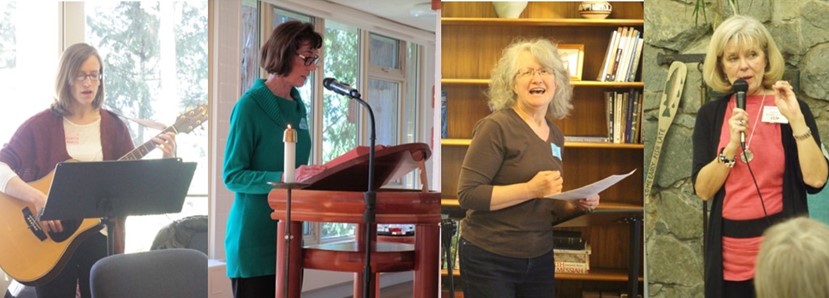
This healing ministry is just one example of the important work women in our church are doing. Look around you in our parish – at Mass and in the wider community, women are serving the needs of others. They are Eucharistic ministers, ushers, lectors, members of the RCIA team, teachers in religious education, members of St. Vincent de Paul, members of the parish council and countless other ministries. There is a saying, “Women hold up half the sky.” Women and men need to serve together, but as equals.
We all become disciples at our baptism. We all have different gifts, through God’s grace. God wants each of us to use our gifts to support each other and our community. As I look around our parish, I am amazed at all the time, treasure and talent that is given. This is exactly what is needed to strengthen our faith and our church. As we approach the start of the synodal assembly [in October], I am optimistic. The members of the synodal assembly will gather in Rome to discern what steps the Holy Spirit invites us, the Universal Church.
To grow as a synodal church, the pope has appointed 450 participants, including dozens of religious women and men and lay people from around the world, to attend the general assembly of the synod of bishops. The voting members number the pope plus 363 cardinals, bishops, priests, religious, and lay women and men. Out of the 364 members who can vote, 54 are women…either lay or religious. This seems very positive to me. Let us pray for the members’ thoughtful discernment and blessings on church renewal.
The Long Road to Rome
By Robert Fontana
When Lori and I first confronted the issue of cover-up of clergy sex abuse by our then bishop and friend Carlos Sevilla, our first instinct was that I should resign from my position as Director of Evangelization and Deacon Formation for the Diocese of Yakima. We wrote about our decision to our family in Louisiana. My sister-in-law, Lise, whose husband, my brother, has represented hundreds of victims of clergy sex abuse as their attorney, wrote back with, “Don’t do it. That’s exactly what they want! They want you out of their way.”
We took her words to heart, prayed, and heard Jesus say to us, “Do you love the Church enough to stay in and work for change? You don’t have to do this. But somebody needs to bear the cross that working for change entails.”
It was clear to us that if we do not work for change then we must not only quit ministry but quit being Catholic. Otherwise, knowing what we know and not speaking up would make us complicit. That was true then, and it is true today. Over the past 21 years we have organized listening sessions to have survivors of sex abuse tell their stories; written the Pope’s ambassador to the US twice (never heard back from him); met with the Cardinal of Chicago, Francis George; organized days of prayer and fasting; and led workshops to inform people about the sex abuse crisis. I even wrote my doctoral thesis on training lay review boards to function as watchdogs over sex abuse cases and not just function as advisory boards.
During this time, I was banned from working at any Catholic church or institution in central and western Washington. I did CLM ministry in the homes of friends, gave retreats at other Christian churches, and traveled to other states where clergy friends and CLM sponsors would have me speak. Finally, in the summer of 2019, after Pope Francis published new rules stating that whistle-blowers ought to be protected in the Church, I filed a whistleblower complaint against the former bishop of Yakima, Carlos Sevilla, for his retaliation against me. The complaint was received, and the former bishop of Yakima was reprimanded for causing “harm and scandal” to the Church.
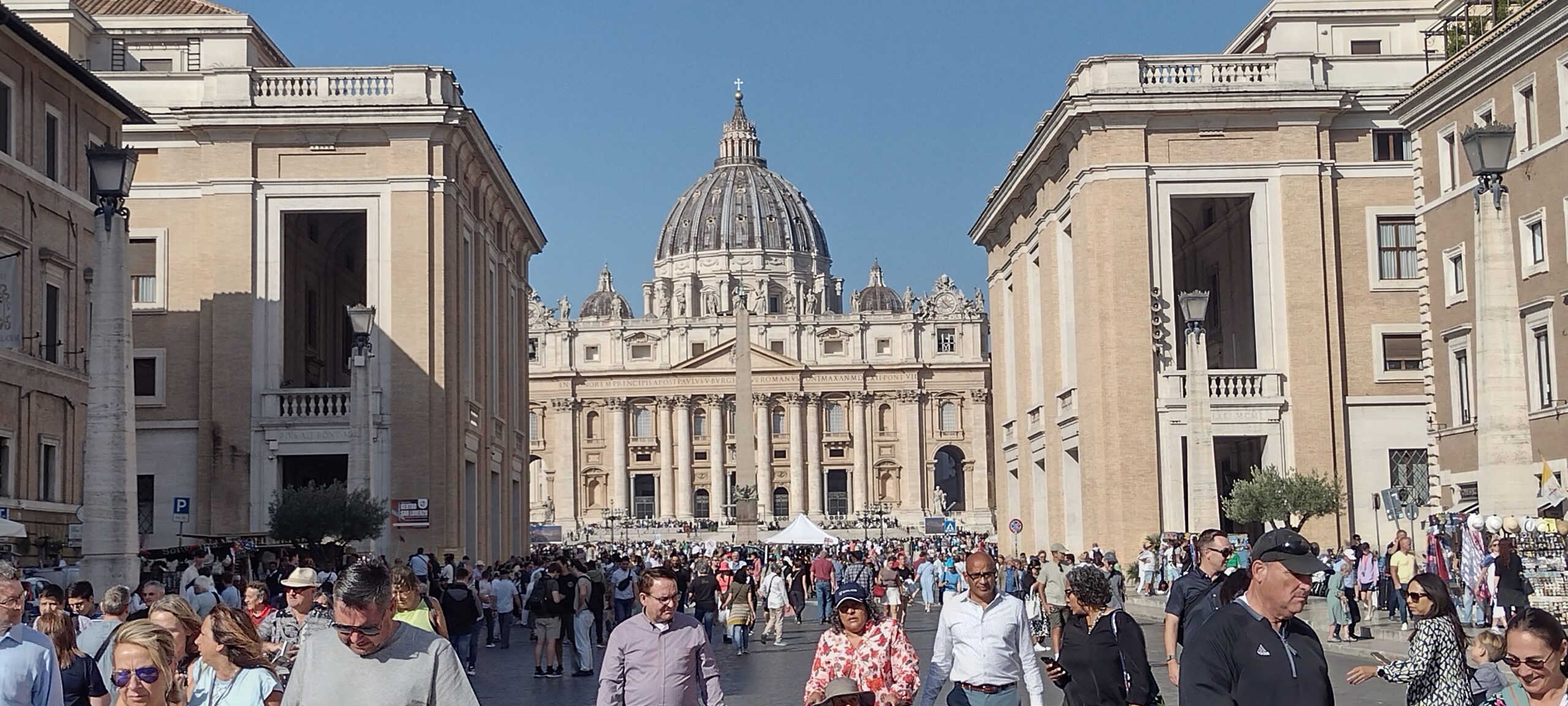
When, in late July, Tim Law, a friend and the founder of End Clergy Abuse (ECA), told us that he and survivors from around the world were going to Rome ahead of the Synod to walk a pilgrimage route, carrying a cross, to lobby the Vatican for stronger protocols to protect children and whistleblowers, we jumped at the chance to go. Tim, who is not a survivor of sex abuse but is a vigorous advocate for survivors, and eight others who are survivors began their walk on Sept 21. We joined them on Sept 23, three days into their trip. We walked with them, taking our turn carrying the cross for the final pilgrimage days, covering about 66 miles. OUCH! It was long, hard walking but beautiful sharing when we could keep up with the group’s pace.
We met several Italian “angels” who directed us along the right path. On our first day of walking we came to an area with a dozen downed trees blocking the path. An Italian “angel” appeared walking from the other direction and lifted the tree trunk just enough for several of us walkers to slip underneath.
On our second evening of walking, we came to the town where the main group was staying. Our accommodation was still another 45-minute walk to the outskirts of the town. As darkness fell, the hostess came riding her bicycle up the hill to meet us. She took our packs on her bike and assured us that we were almost there. On our third evening, we were searching in vain for our bed and breakfast. Stopping at a busy pizzeria to ask directions, we met a family, Luca, Sylvia, and their son Andreas. The parents spoke some English and listened to our plight. After a rapid family discussion in Italian, Sylvia said, “My husband knows this street where you are going. He is an electrician working at a home on this very street. He will drive you there after we eat our supper.” And he did! The providence of God!
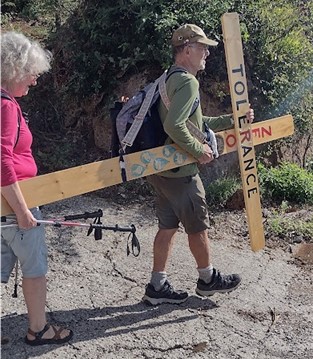
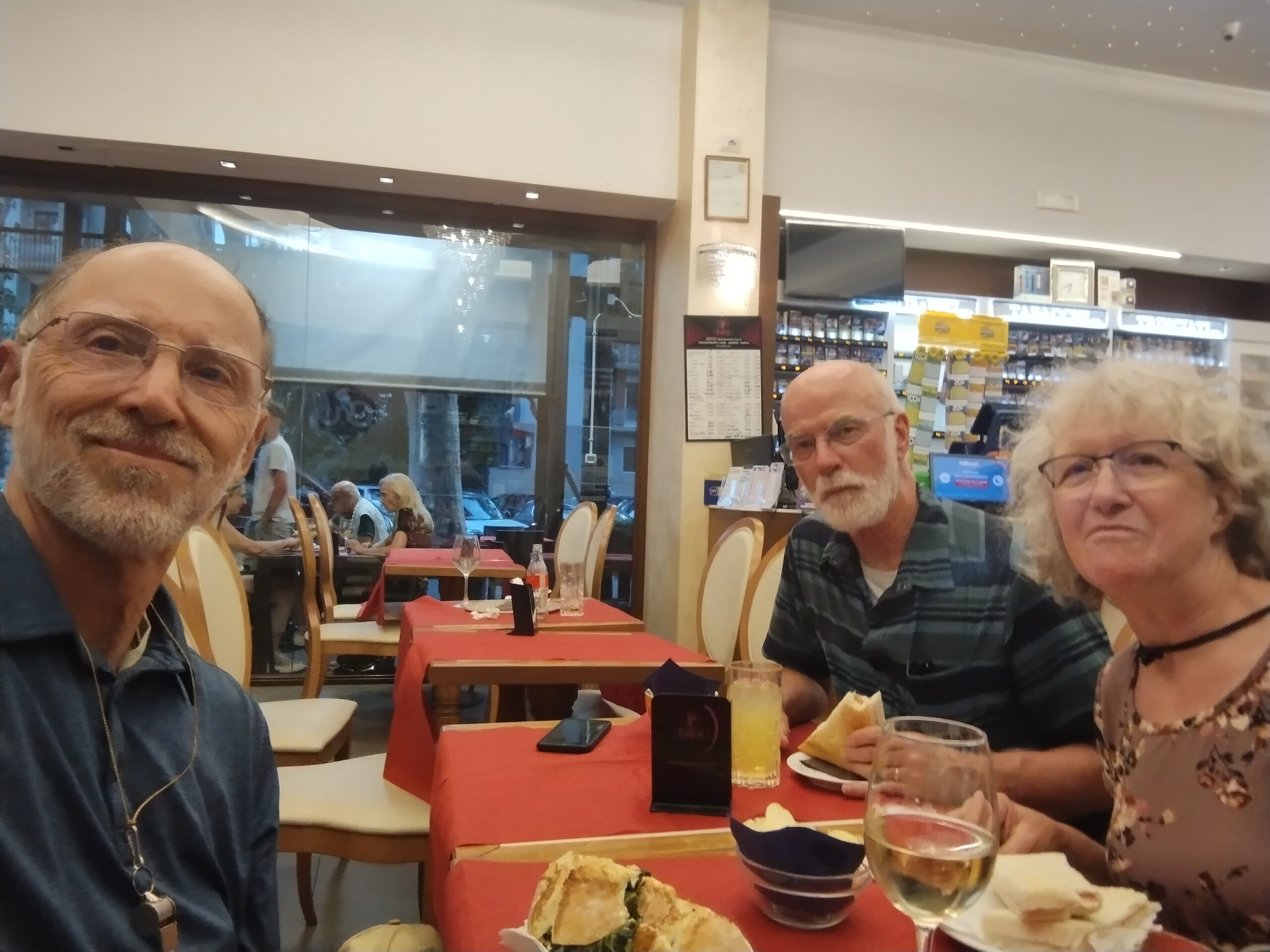
Our small group met a larger group of survivor lobbyists, folks from Jamaica, Canada, Peru, Mexico, Slovenia, Italy, Germany, Philippines, Costa Rica, Serbian, New Zealand, India, Congo, and Uganda. What courageous men and women, coming to Rome at their expense, demanding that Pope Francis do more to change Church law and practice to better protect minors and vulnerable adults from sexual exploitation.
There were press conferences (I was interviewed by Associated Press and Reuters, and Lori, though trying to stay in the background, got her picture in the Reuters newsfeed); protest rallies outside St. Peter’s; organizational meetings; letters presented to the papal commission on sex abuse; and planning for the next leg of the journey – taking this issue to the United Nations in Geneva. This part of the journey was for a select few.
As others went on to Geneva or returned to their homes, Lori and I stayed in Rome to participate in an ecumenical prayer service led by the Taize community for the upcoming Synod. Pope Francis participated in it as well as representatives from the major Christian denominations and Churches. In fact, a female Lutheran bishop who was on the podium with Pope Francis stayed at the convent where we also stayed. We had breakfast with her the morning following the service. The prayer service was attended by several thousand people including many, many young people from across Europe. It concluded with the veneration of the cross of San Damiano, a replica of the one from which Francis of Assisi heard the words, “Francis, go and rebuild my church for you see it is in ruins.”
Lori and I with Tim Law of Seattle and the End Clergy Abuse delegation are doing our part to continue the call given to St. Francis to “rebuild the church” that is in ruins due to the crimes and sins of clergy sex abuse and cover-up. We think we have had an impact. While we were in Rome, we read that the papal commission on sex abuse sent a statement to the delegates at the upcoming Synod insisting that the issues of sex abuse of minors and vulnerable adults be at the center of their deliberations. We are grateful to Tim Law for including us to be a part of this effort. Please keep Tim and the good work of ECA (End Clergy Abuse) in your prayers.
Pope Francis: Changing Catholic Culture but not Catholic Doctrine
By Robert Fontana
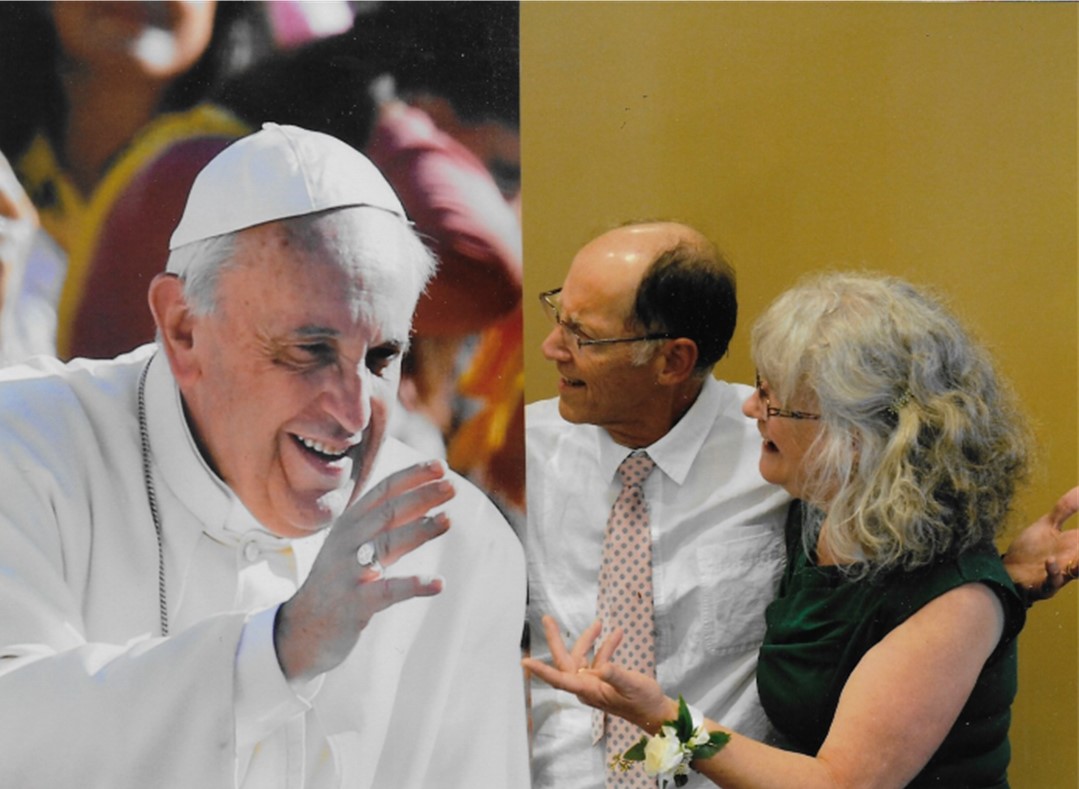
Pope Francis has a pretty good approval rating among Catholics in the United States. According to Pew Research, 83% of Catholics in the US have a favorable opinion of the Argentine Pope. However, there is a very vocal minority which includes high-ranking clergy who are very unhappy with the current pope and do not mind saying so. Commentators for EWTN, The Catholic Register and First Things and prominent prelates have called his papacy “a catastrophe,” “leaderless,” and “a betrayal.”
Advocates for greater protection of children, youth, and vulnerable adults and whistleblowers in the current crisis of clergy sex abuse and coverup are extremely disappointed in Pope Francis (Lori and I include ourselves in that camp). He says the right words but these often do not turn into effective action. A case in point is the very bizarre and sick story of Father Marko Ivan Rupnik, a celebrated Jesuit preacher and artist whose mosaics grace churches and basilicas around the world. Close to a dozen women, including Catholic sisters, have come forth accusing Rupnik of sexual, psychological, and spiritual abuse. The allegations were deemed credible by Jesuit investigators; yet Rupnik, who had been removed from ministry, was allowed to return. The public outcry was so great that just recently Pope Francis was pressured to reopen his case. (See: https://www.seattletimes.com/nation-world/pope-orders-vatican-to-reopen-case-of-priest-accused-of-adult-abuse-but-allowed-to-keep-ministering/)
In light of all this criticism, I think it is important to keep in mind that Pope Francis has not changed one Catholic doctrinal teaching or moral teaching. He is working to change Catholic culture, how we understand ourselves as a Catholic people and how we express this self-understanding in worship and mission. In doing this he is being faithful to the intent of the reforms of the Second Vatican Council which sought to transition from a Church that saw itself as a European monarchy (Council of Trent and Vatican I) to a Church that sees itself as the People of God from all the nations, sinful and holy, traveling through history. This People of God, clergy and lay, has a mission to be the mercy of God in the world as disciples of Jesus.
The following vignettes are examples of how I see Pope Francis changing Catholic culture without changing Catholic doctrine:
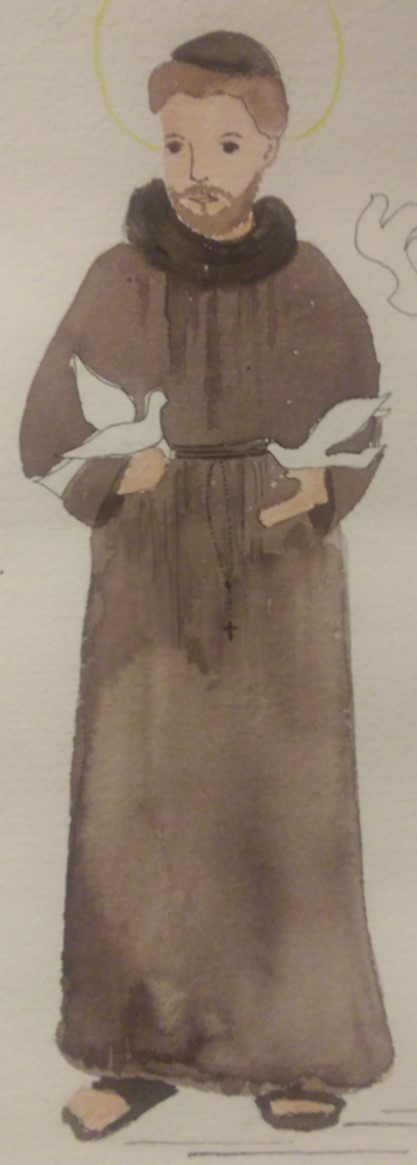
The new pope was introduced as “Francis,” a name no other pope has dared to take: Pope Francis said, “Francis is also the man of peace. That is how the name came into my heart: Francis of Assisi. For me, he is the man of poverty, the man of peace, the man who loves and protects creation; these days we do not have a very good relationship with creation, do we?” …Francis of Assisi “gives us this spirit of peace, the poor man who wanted a poor church,” the pope said. “How I would love a church that is poor and for the poor.” (https://www.ncronline.org/blogs/francis-chronicles/pope-francis-i-would-love-church-poor )
Pope Francis on the Sacraments: The Catholic Church is a “field hospital,” where the Eucharist is understood as medicine for the sick instead of a prize for the perfect…” (http://www.icatholic.org/article/the-church-as-a-field-hospital-6836071)
Remember when he said to priests… [be] shepherds living with “the smell of the sheep”, shepherds in the midst of their flock…” (https://www.catholicworldreport.com/2013/03/28/full-text-pope-francis-chrism-mass-homily/) There is that spirit of clericalism in the Church, that we feel: clerics feel superior; clerics distance themselves from the people. Clerics always say: ‘this should be done like this, like this, like this, and you – go away!’” It happens “when the cleric doesn’t have time to listen to those who are suffering, the poor, the sick, the imprisoned: the evil of clericalism is a…is a new edition of this ancient evil [of the religious ‘authorities’ lording it over others].” But “the victim is the same: the poor and humble people, who await the Lord.” ~ (https://aleteia.org/2018/08/23/5-of-the-many-times-pope-francis-has-railed-against-clericalism/)
Francis’ first trip as pope: Pope Francis has said Mass for migrants on Italy’s tiny island of Lampedusa, condemning the “global indifference” to their plight…Lampedusa, about 80 miles (120km) from Tunisia, is one of the nearest gateways to Europe for Africans fleeing poverty and conflict. (https://www.bbc.com/news/world-europe-23224010)
Francis changing the College of Cardinals Pope Francis created 21 new cardinals (Sept 2023) from across the world… created from 15 different countries… The pope also created cardinals representing Catholic communities in non-majority Christian countries: … Jerusalem; …Hong Kong; … Malaysia. In total, 16% of all cardinal-electors are now from Asia, compared with 9% before Francis’ pontificate…The pope has now created cardinals from 66 different countries…In contrast to the increase in cardinals from the global South and East, the percentage of cardinals from Europe has fallen from 53% in 2013 to 39% today…(https://ww.catholicnewsagency.com/ news/255528/pope-creates-21-new-cardinals-continues-expansion-of-college-s-geographic-diversity)
What he spoke about homosexuals: Italian journalist Andrea Tornielli asked the pope how he might act as a confessor to a gay person in light of his now famous remarks in a press conference in 2013, when he asked: “Who am I to judge?” “On that occasion I said this: If a person is gay and seeks out the Lord and is willing, who am I to judge that person?” the pope says. “I was paraphrasing by heart the Catechism of the Catholic Church where it says that these people should be treated with delicacy and not be marginalized.”
“…”I prefer that homosexuals come to confession, that they stay close to the Lord, and that we pray all together,” says Francis. “You can advise them to pray, show goodwill, show them the way, and accompany them along it.” (https://www.ncronline.org/francis-explains-who-am-i-judge)
Francis and a “synodal church:” In a certain sense, what the Lord asks of us is already contained in the word “synod.” Walking together – Laity, Pastors, the Bishop of Rome – is an easy concept to put into words, but not so easy to put into practice…A synodal church is a listening church, knowing that listening “is more than feeling.” It is a mutual listening in which everyone has something to learn. Faithful people, the College of Bishops, the Bishop of Rome: we are one in listening to others; and all are listening to the Holy Spirit, the “Spirit of truth” (Jn 14:17)… (https://www.thetablet.co.uk/texts-speeches-homilies/4/849/pope-francis-address-at-commemorative-ceremony-for-the-50th-anniversary-of-the-synod-of-bishops-17-october-2015)
(Post your comments. You are welcome to agree or disagree.)
If you could ask Pope Francis any question…
Dear Friends, as you know Lori and I wrote Pope Francis and asked for a meeting to discuss how critical it is that he publicly support people like us who have exposed cover-up of clergy sex abuse. That’s our concern. What’s yours? If you could ask Pope Francis any question or present him with a short statement of wisdom/insight/a problem, what would that be?
Let us know and we will leave these with Pope Francis should we meet with him or with a Vatican office if we do not. Keep your question or comment to 25 words or less and send it to us by September 21 (that’s when we leave). We will print all questions and comments on our blog site.
Send your question and/or comment to robert@catholiclifeministries.org.
________________________________________________________________________
CLM Fall Retreat— Day of Prayer and Study—Saturday, October 28th
“Celebrating 10 Years of Pope Francis”
Our presenter is new to our CLM community: John Skrodinsky, religious brother of the Missionary Servants of the Most Holy Trinity (ST).
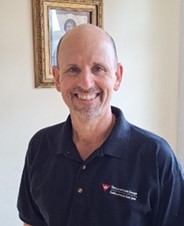
“…when I met the Missionary Servants of the Most Holy Trinity….I was impressed by the men, their down-to-earth nature, their love for God and for serving God’s people, especially the poor. By God’s grace, I was accepted into the Congregation.”
John made final vows in 2000. He has worked in campus ministry, as a drug and alcohol counselor, and in ministry to migrants. John currently directs the pre-novitiate formation house for the ST’s in Chicago. He has a Masters in Pastoral Studies and a law degree from Temple University.
Location: Assumption Parish, Seattle. Time: 9:30 am – 4:30 pm.
Topics: “From Jorge Bergoglio to Pope Francis” (Bro. John); “Pope Francis as Teacher: Encyclicals and Apostolic Exhortations (Bro. John); Pope Francis: Changing Catholic Culture Not Doctrine (Robert)
Cost: $30(single), $50(couple) Scholarships available. Please bring your own brown bag lunch. Snacks/drinks will be provided.
To register: Email: Robert@catholiclifeministries.org that you wish to participate, and pay the fee at the following link: https://www.paypal.com/donate?token=RgGj4GeyNRG2RG1PJGtU2QW-i8lUGYsZjQJEBStEjLlgMc2yU2SOXYHWaQ6F44_sGe85TxKkKlWFGVcB
OR bring a check to the retreat, payable to CLM.
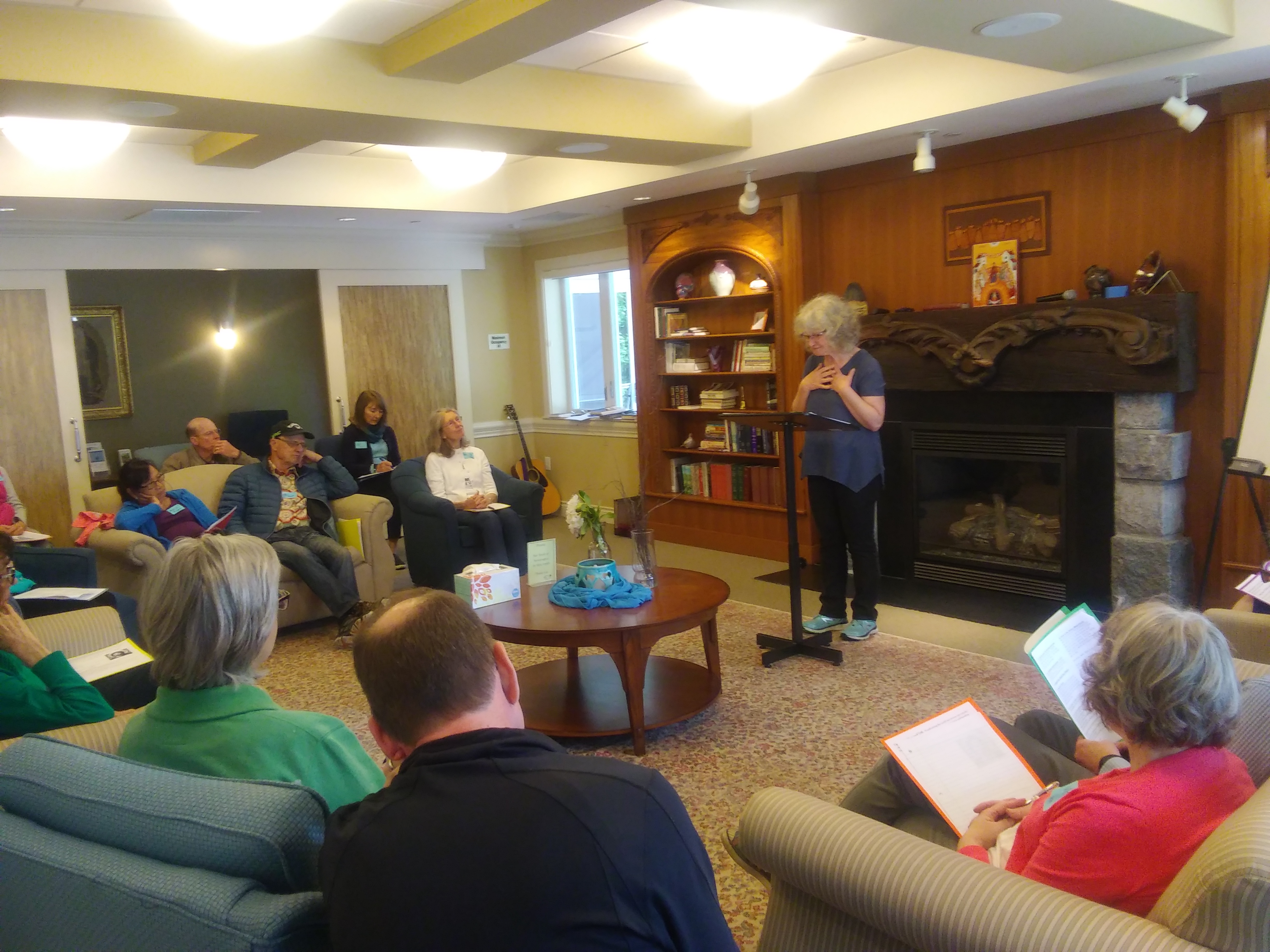
Homespun Homily by Lori: Puzzle Wisdom for Marriage
“How do I love thee? Let me count the ways.”
So begins a famous poem, Sonnets from the Portuguese 43, by Elizabeth Barrett Browning. These lines came to mind as Robert and I completed a 1000-piece puzzle depicting the city of Seattle. 1000 pieces! There were many moments when we sighed and said to each other, “Look how many pieces we still have to do! This is hopeless. We’ll never get this done.” One thousand pieces – let me count them!

But after six weeks of working on the puzzle, we finally pushed in the last piece. At the end, it looked as if we were missing two pieces, but we found them, one under the table, and the last one hidden in the sofa cushions, as the sofa was pushed up against the table on which we had spread out those thousand pieces.
Why do I write about our completing a big puzzle? Because working a puzzle is good for marriage. Think about it. Putting a puzzle together requires many of the same skills as building a strong marriage: teamwork, patience, awareness, creativity, and checking in with each other: innumerable times I asked Robert, “What do you think this piece with a little red splotch and squiggly dark lines looks like?” Together, we also frequently consulted the picture guide that came with the puzzle – our puzzle roadmap, so to speak.
A successful marriage requires teamwork because marriage is a team effort. If our marriage is healthy, we will have many shared goals and use our gifts to help each other reach those goals. When Robert succeeds / wins, so do I. When Robert fits one or three or a dozen more pieces into the puzzle, it helps me to see where some of my puzzle pieces go. Our marriage has give and take, times when I support Robert, times when he picks up the slack for me. So I applaud each time he fits a puzzle piece in; he cheers me on when I finally discover where that piece with the red splotch goes.
Patience – now there’s a big one.
Countless times, I picked up a puzzle piece, sure that I knew where it went, only to set it back down again in the jumbled pile of loose pieces because it just didn’t quite fit there. Patience is essential in marriage. Why? Because nobody’s perfect. Life is entirely a learning experience from start to finish, and we are learning as we go. We shift life’s puzzle pieces this way and that until finally, alleluia, one settles perfectly into place. Ahhhh, what a good feeling that is. But if we give up too soon, we won’t discover where that darn piece goes.

Each puzzle piece is small and only a tiny part of the whole. Sometimes we have to step back to see the whole picture. Thus, awareness is invaluable. With this puzzle, we grouped pieces into “sky,” “buildings,” “boats,” and “water.” That helped. Looking at the whole scene, we had a better idea about where each piece might fit. At times in our marriage, we have to stop and take in a larger view. The day-to-day routine of work, family, activities, cooking, shopping – these are the building blocks of life, essential but not the whole picture. It is so helpful to take a breath and see the whole of our marriage.
For this, prayer is invaluable, our own personal prayer and prayer as a couple. Especially when the pieces of life aren’t fitting together very well, when the routine is too hectic, too boring, too exhausting – awareness, nurtured by prayer, reminds us that there is a greater reality guiding our relationship and giving meaning to our lives.
I readily admit that between Robert and me, he is the creative one. And putting a puzzle together does require some creativity. He is very good at looking at the “squiggly lines” on a one-inch puzzle piece and zeroing in on the area of the puzzle picture where it will fit. Interestingly, only recently did Robert decide he enjoyed puzzles. I think the isolation of the Covid quarantine nudged him to try a puzzle; and he ended up being quite adept at it and actually appreciating the challenge. Working a puzzle together has shown us that each of us brings gifts “to the table” to help accomplish the task. While I notice the tiny features of a color, shape or squiggle, Robert can see the overall design. In this case, my attention to detail complements Robert’s creativity.
Finally, back to the aspect of checking in: it is vital to a relationship and requires clear and kind communication. We asked each other for advice. We shared ideas and observations. I even let Robert put in the final puzzle piece.
But perhaps the greatest gifts for us as we worked the puzzle were how it fostered closeness, and it was fun! For some time each day, over weeks, we sat side-by-side at the puzzle table. We rubbed shoulders (literally) and reached around and across each other. We chatted and laughed as we worked toward a common goal. It was a sweet time together, time that nurtured our marriage.
Try a puzzle together!

But if puzzles just aren’t your thing, find an activity to do with your spouse that builds your loving relationship – riding bikes; walking in the park or hiking in the mountains; fishing or crosswords or refinishing furniture or cooking.
And, of course, remember to pray together. Couple prayer is the foundation of your relationship in Christ. These activities foster “togetherness” and fun, drawing out your gifts and strengthening your marriage.
The Fontanas are Heading to Rome
By Robert Fontana
No, it is not a vacation. Oh, we will take a few days to visit a quaint Italian village with hot springs and ancient Etruscan relics and history.
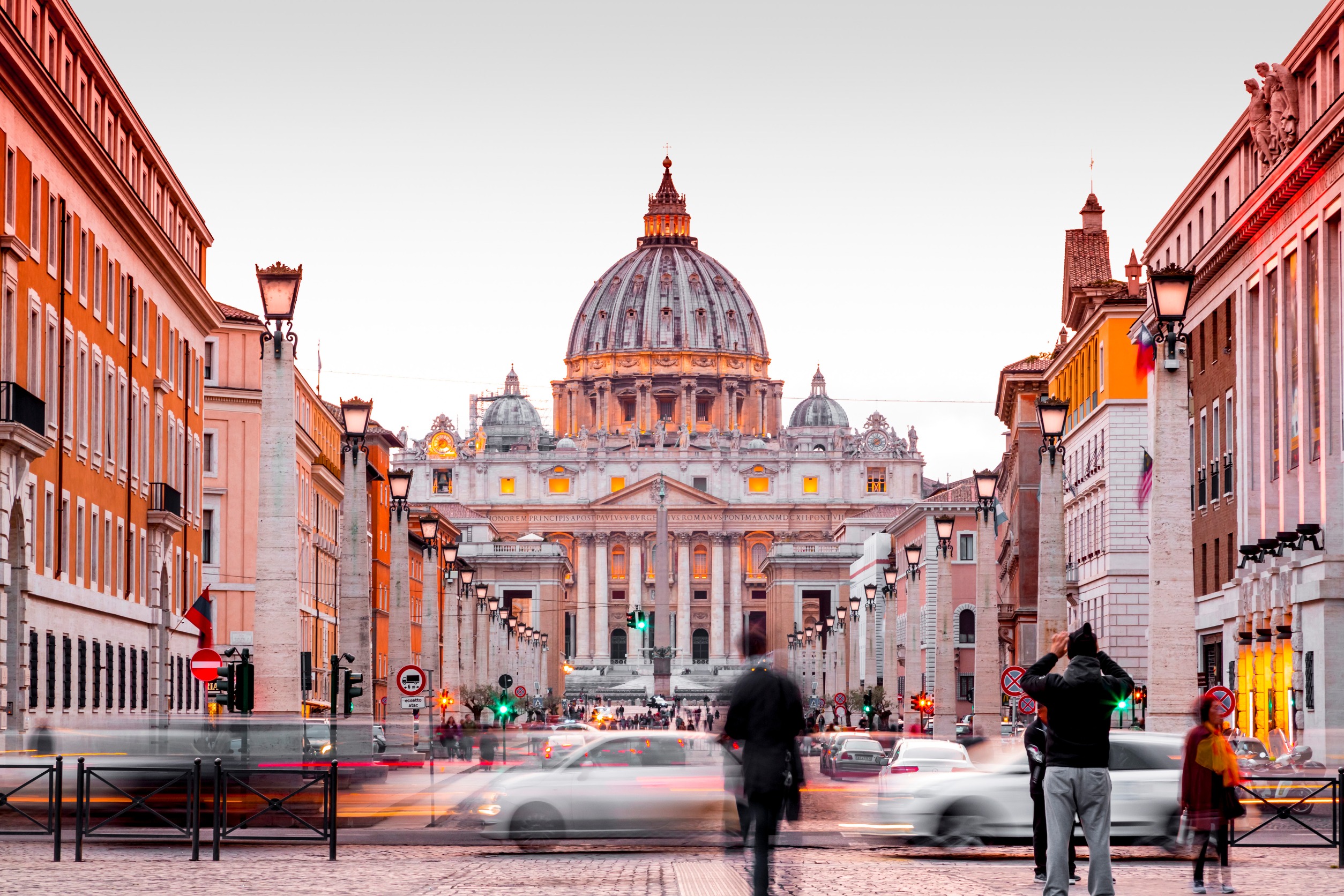
However, our reason for going is to join an international group of activists on a pilgrimage walk to pray and advocate for greater protection of children, youth, and vulnerable adults in Catholic Church law and practice. We are also asking for changes in Catholic Church law and practice concerning the treatment of people like us, whistleblowers, who sound the alarm when something is amiss!
I know you are so tired of hearing from us about another case of sex abuse and/or cover-up of that abuse by Catholic leaders. And if you think you are tired of hearing about it, believe me, we get it. So are we.
AGHHHHHHHHHHHHH!
Please, if you have fatigue with the sexual abuse crisis in the Catholic Church, take a deep breath, let it go, and ask the Holy Spirit,
“What is mine to do to in response to the abuse of children and vulnerable adults by ministers of the Church, clergy, religious, and lay, and the cover-up of this abuse by Catholic leaders?
Shortly after the abuse crisis became public in 2002, when practically every diocese in the country was implicated in revelations of clergy sex abuse and cover- up by bishops, When Fr. Ron Rolheiser spoke on this topic at Seattle University, a presentation I attended, he said something to the effect of:
“We as a church must correct this and get it right; otherwise, how can we ever help the world deal effectively with the pandemic level of sex abuse of minors happening in our world, in homes, at schools, and in any organization that serves children and youth.

That was true in 2002, and it is true today. The place where children are most at risk for abuse is not in the Catholic Church; it is in the home. Children are sexually abused by parents, stepparents, relatives, babysitters, and unrelated boyfriends/girlfriends at a far higher rate than they are abused by clergy.
I have a friend whose young teen daughter was sexually abused by the father of the children she was babysitting. Another friend’s young child was abused by an active youth group member. Another friend was abused by a parent; and another friend…
You get the picture. Sexual abuse of minors and vulnerable adults is epidemic in our culture. Sexual predators of youth and children are here to stay. They are in all institutions that serve children and youth, including the Catholic Church. If we as a church are going to help solve this crisis in society, we must address it in our church. All of us have a responsibility to do what we can to help this Church we love respond honestly and effectively to the sex abuse crisis.
For Lori and me, what we did for the first 15 years we knew about clergy sex abuse was to trust that the bishops would take care of the problem. Thinking that, we became part of the problem. We were complicit in the cover-up of sex abuse because we trusted that bishops, some of them our close friends, would effectively deal with the crisis. But they did not. They protected predator clergy by moving them from parish to parish; they protected themselves from their deliberate cover-up of the abuse; and they often hid their own secrets of sexual abuse and misbehavior. It took the awful stories of Father Marcial Maciel, founder of the Legionnaires of Christ and friend to Pope John Paul II, and Cardinal Theodore McCarrick, also a friend of popes, to expose how deeply embedded in the hierarchy is corruption connected to clergy sex abuse.
Sadly, we learned the hard way that the most effective route for change on the sexual abuse front is to expose the criminal and immoral behavior of sexual predators and the church leaders protecting them. We faced painful choices: we could ignore the facts and continue to be part of the problem; leave the Church all together; or remain Catholic and work for change. We chose this last option. This, we discerned through prayer, is what was “ours to do” in Christ.
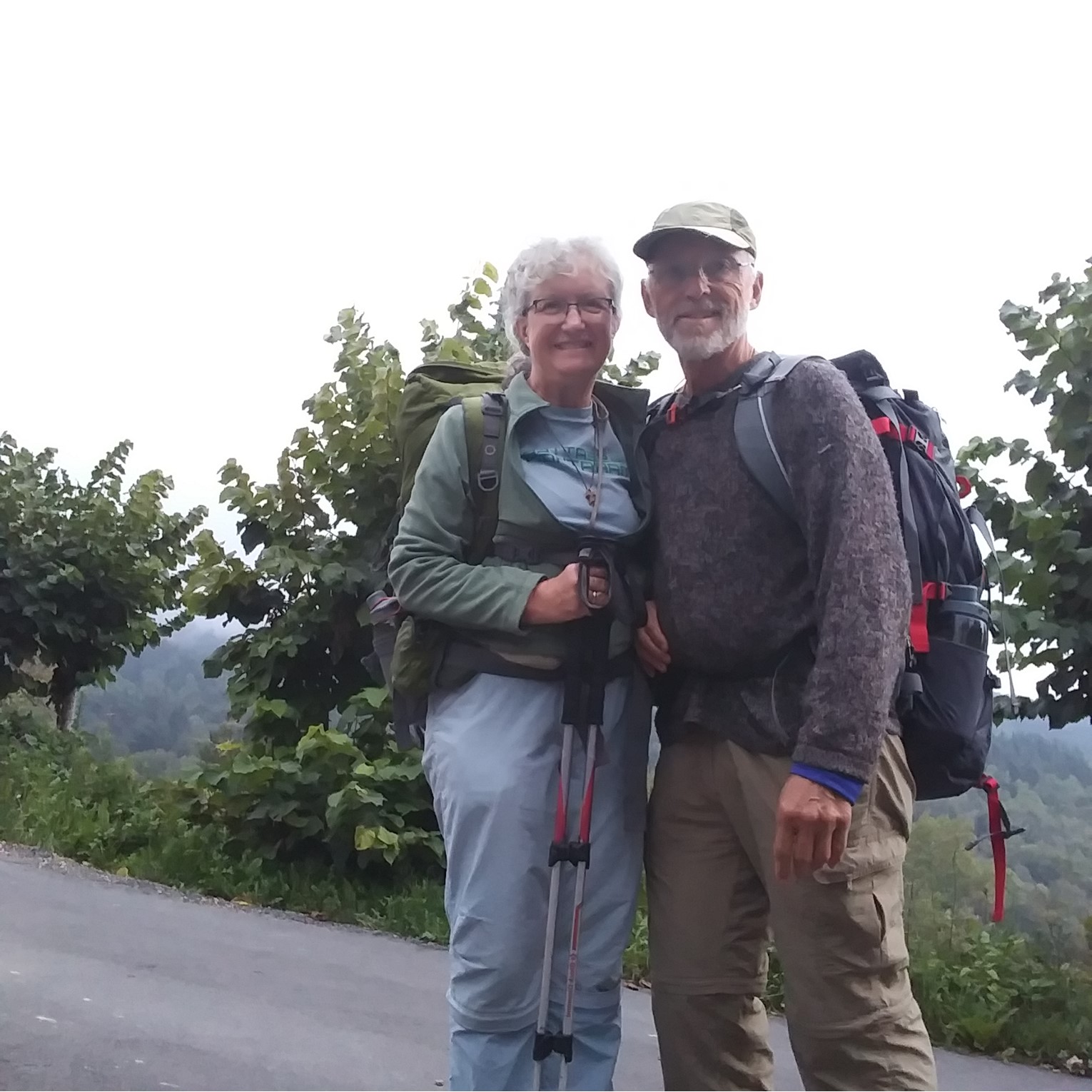
As part of that decision, made over 20 years ago, we are going to Rome to participate in a 120-mile pilgrimage walk with participants from around the world. Walking and carrying a large wooden cross, we will join in prayer for changes in church law and practice that will strengthen rules to prevent sexual predators and those who protect them from ever serving as clergy again.
Activists also want the Pope to make it clear that any church member, clergy or lay, who exposes sexual abuse and coverup will be protected. To this end, the organization sponsoring the pilgrimage walk, Ending Clergy Abuse USA, will hold a series of meetings, a candlelight prayer vigil, and a press conference.
Please pray for our pilgrimage, and we will bring each of you and your intentions in our hearts along our walk. We have even written Pope Francis a personal letter asking to meet with him to share our story and suggest actions to promote healing and holiness in our church. (My thinking is, if you don’t buy a lottery ticket, you can’t win the lottery, so I wrote directly to our Pope.)
Diminishment and the Journey to God
by Robert Fontana
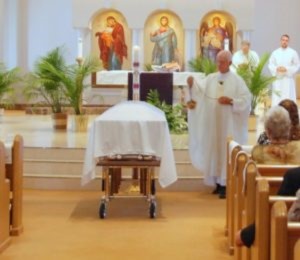
There is no ultimate communion with God without dying. Lazarus died and was raised by Jesus but died again. We all know this and, of course, try to think about it as little as possible. It reminds me of the preacher who was giving a fiery sermon one Sunday morning, talking about the evils of this world and the glory in the world to come. He shouts out, “I’m on the train to glory; who’s coming with me? Let me see those hands. I’m on the train to glory; now who’s coming with me?”
Men and women, young and old, began raising their hands and shouting out, “Count me in preacher, I’m getting on that train to glory!” “Me too! I’m coming!”
The preacher looked around and felt mighty proud that his preaching had stirred such faith. All hands were up, and the people were shouting, “I’m on the train to glory! I’m on the train to glory!”
That is, all hands up but one. A young man in the back pew was quietly looking around, keeping his hands close to his sides. The preacher walked up to him and said, “My young brother, don’t you want to join us on that train to glory?!” The young man looked up at the preacher, paused, and asked, “TODAY?”
We all want to get to heaven, but not today. And yet, there is no other way to eternal communion with God except through the diminishment of the body and death. We can be forgiven for not keeping this in the forefront of our minds, especially when we are young and/or new in our faith.
When I began to discover God’s love in my life, I felt so much joy and motivation to be a better person. I read the Gospels which began with Jesus’ doing amazing healings and people leaving all to follow him. I was in high school, and the most immediate impact on my behavior was that I began to make time for prayer, learning to fast, avoiding alcohol, and wanting to respect girls as I began dating.
Jesus not only awakened his followers to a new way of being in the world as his disciples. He also prepared them for the struggles to come by teaching them to develop the virtues and character essential to discipleship. Jesus said to his disciples, “Whoever wishes to come after me must deny himself, take up his cross, and follow me. For whoever wishes to save his life will lose it, but whoever loses his life for my sake will find it.” Matthew 16:24-26
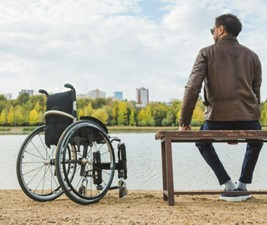
Jesus laid a spiritual framework for mature discipleship capable of confronting the struggles to come: prayer, alone and with others; the Beatitudes, the disciplines of fasting and almsgiving; and the creating of a new community in which tax collectors and public sinners, men and women and children are welcome. Essential to this new way of living was the practice of “love of enemies” and non-violence. Jesus set the stage for a spirituality of diminishment: relinquishing worldly power for spiritual power.
We experience a form of diminishment, a dying to self, in conforming our lives to Jesus’ life. We let go of our sins, unhealthy habits, negative biases, prejudices and resentments and unhealthy attachments to power, positions, possessions, and privilege, and replace these with the spiritual disciplines mentioned above. This brings us great joy and inner peace.
And as we mature in faith and put our gifts to the service of the Kingdom, we also discover our limitations, the limitations of others, especially those in the community of faith. I can remember Lori’s and my first foray into an intentional community with other like-minded people who wanted to build a community among the poor. It was a disaster! We were all so high and mighty and thought we were creating a modern version of St. Francis and his followers. Wrong! We left it after six months.
We discovered just how little wisdom, humility, and communication skills we had.
However, we learned from our failures and began to see that God uses our limitations and weaknesses for God’s good purpose. God was training us to have the fortitude and faith to cope with the diminishment that was sure to come through experiences of sickness, the tragic deaths of young friends and family members, the persistent presence of mental illness in people we love, and our own growing fragility as we’ve aged: “…we even boast of our afflictions, knowing that affliction produces endurance, and endurance, proven character, and proven character, hope, and hope does not disappoint, because the love of God has been poured out into our hearts through the holy Spirit that has been given to us.” Romans 5:3-5
Diminishment is the fundamental path to God. Paul learned this while begging God to remove a certain “thorn in his side:” But he said to me, “My grace is sufficient for you, for my power is made perfect in weakness.” Therefore, I will boast all the more gladly about my weaknesses, so that Christ’s power may rest on me. 1 Corinthians 12:9
By embracing the spiritual journey when we are young and able, and cultivating a practice of letting go and trusting in God, we are preparing ourselves to face the struggles that come with the diminishment of our physical and mental abilities through sickness and aging. But we face death, both our own and the death of those whom we love, not like those who live “without hope.”
1 Thessalonians 4:13-14
“Do not let your hearts be troubled. Believe in God, believe also in me. In my Father’s house there are many dwelling places…I go to prepare a place for you.” John 14:1-3
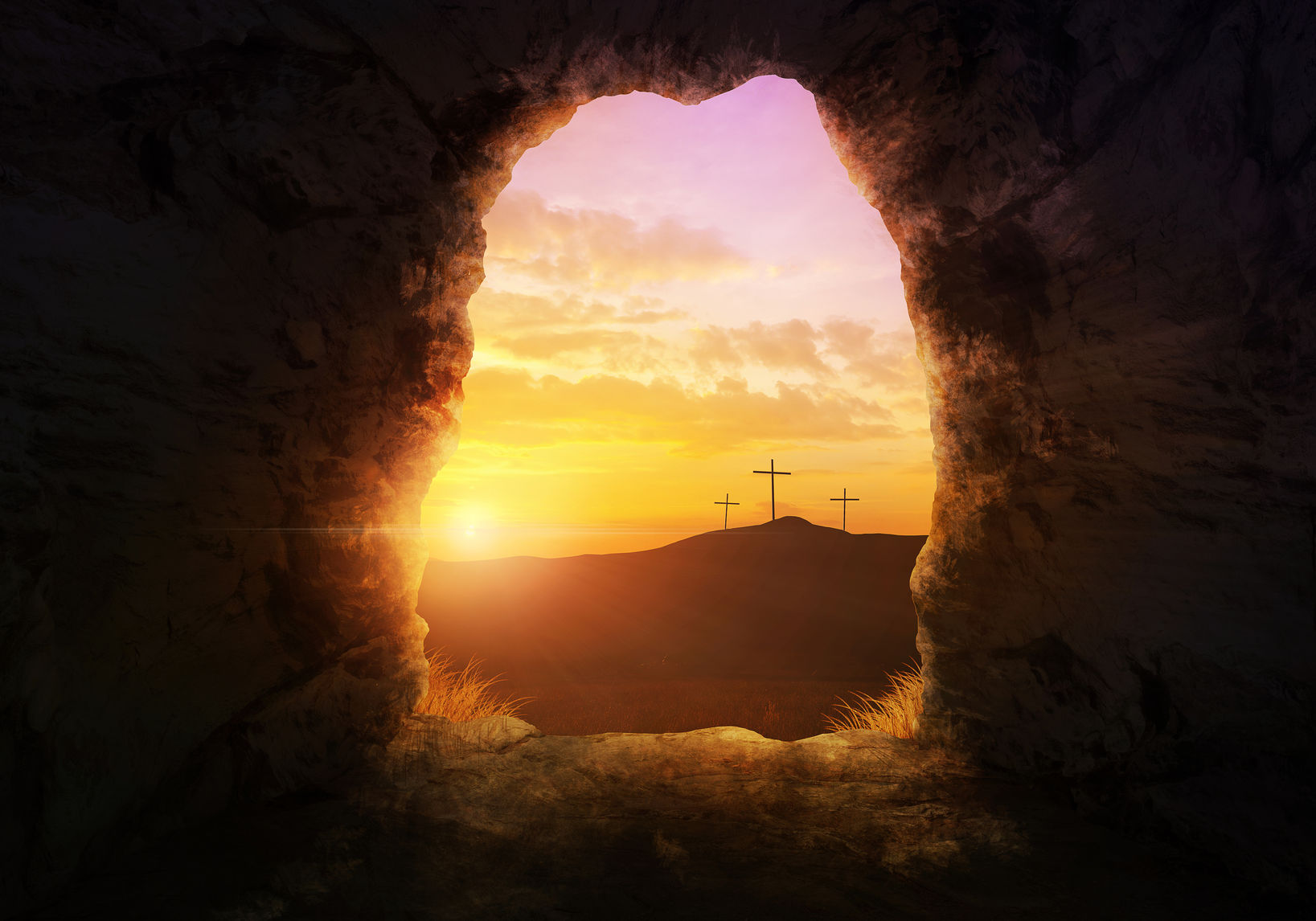
Death may come suddenly through tragedy or illness, or slowly over months or years. Regardless, all of us must journey through a personal Gethsemane and Calvary on our way to that “train of glory,” resurrected life. This is not a cause for fear, avoidance, or despair. It is, rather, just an aspect of life that we need to accept with a humble combination of gratitude and grieving. We grieve all the losses, and we give thanks for all the blessings.
We are not alone in our diminishment. Jesus is Emmanuel, God with us, and with us, too, are our loved ones. In the end, we hope for what we Catholics call “the Happy Death,” surrounded by our family and friends, and cradled by the graces of the Holy Spirit.
Diminishment and the Journey to God
by Robert Fontana
There is no ultimate communion with God without dying. Lazarus died and was raised by Jesus but died again. We all know this and, of course, try to think about it as little as possible. It reminds me of the preacher who was giving a fiery sermon one Sunday morning, talking about the evils of this world and the glory in the world to come. He shouts out, “I’m on the train to glory; who’s coming with me? Let me see those hands. I’m on the train to glory; now who’s coming with me?”
Men and women, young and old, began raising their hands and shouting out, “Count me in preacher, I’m getting on that train to glory!” “Me too! I’m coming!”
The preacher looked around and felt mighty proud that his preaching had stirred such faith. All hands were up, and the people were shouting, “I’m on the train to glory! I’m on the train to glory!”
That is, all hands up but one. A young man in the back pew was quietly looking around, keeping his hands close to his sides. The preacher walked up to him and said, “My young brother, don’t you want to join us on that train to glory?!” The young man looked up at the preacher, paused, and asked, “TODAY?”
We all want to get to heaven, but not today. And yet, there is no other way to eternal communion with God except through the diminishment of the body and death. We can be forgiven for not keeping this in the forefront of our minds, especially when we are young and/or new in our faith.
When I began to discover God’s love in my life, I felt so much joy and motivation to be a better person. I read the Gospels which began with Jesus’ doing amazing healings and people leaving all to follow him. I was in high school, and the most immediate impact on my behavior was that I began to make time for prayer, learning to fast, avoiding alcohol, and wanting to respect girls as I began dating.
Jesus not only awakened his followers to a new way of being in the world as his disciples. He also prepared them for the struggles to come by teaching them to develop the virtues and character essential to discipleship. Jesus said to his disciples, “Whoever wishes to come after me must deny himself, take up his cross, and follow me. For whoever wishes to save his life will lose it, but whoever loses his life for my sake will find it.” Matthew 16:24-26
Jesus laid a spiritual framework for mature discipleship capable of confronting the struggles to come: prayer, alone and with others; the Beatitudes, the disciplines of fasting and almsgiving; and the creating of a new community in which tax collectors and public sinners, men and women and children are welcome. Essential to this new way of living was the practice of “love of enemies” and non-violence. Jesus set the stage for a spirituality of diminishment: relinquishing worldly power for spiritual power.
We experience a form of diminishment, a dying to self, in conforming our lives to Jesus’ life. We let go of our sins, unhealthy habits, negative biases, prejudices and resentments and unhealthy attachments to power, positions, possessions, and privilege, and replace these with the spiritual disciplines mentioned above. This brings us great joy and inner peace.
And as we mature in faith and put our gifts to the service of the Kingdom, we also discover our limitations, the limitations of others, especially those in the community of faith. I can remember Lori’s and my first foray into an intentional community with other like-minded people who wanted to build a community among the poor. It was a disaster! We were all so high and mighty and thought we were creating a modern version of St. Francis and his followers. Wrong! We left it after six months.
We discovered just how little wisdom, humility, and communication skills we had.
However, we learned from our failures and began to see that God uses our limitations and weaknesses for God’s good purpose. God was training us to have the fortitude and faith to cope with the diminishment that was sure to come through experiences of sickness, the tragic deaths of young friends and family members, the persistent presence of mental illness in people we love, and our own growing fragility as we’ve aged: “…we even boast of our afflictions, knowing that affliction produces endurance, and endurance, proven character, and proven character, hope, and hope does not disappoint, because the love of God has been poured out into our hearts through the holy Spirit that has been given to us.” Romans 5:3-5
Diminishment is the fundamental path to God. Paul learned this while begging God to remove a certain “thorn in his side:” But he said to me, “My grace is sufficient for you, for my power is made perfect in weakness.” Therefore, I will boast all the more gladly about my weaknesses, so that Christ’s power may rest on me. 1 Corinthians 12:9
By embracing the spiritual journey when we are young and able, and cultivating a practice of letting go and trusting in God, we are preparing ourselves to face the struggles that come with the diminishment of our physical and mental abilities through sickness and aging. But we face death, both our own and the death of those whom we love, not like those who live “without hope.”
1 Thessalonians 4:13-14
“Do not let your hearts be troubled. Believe in God, believe also in me. In my Father’s house there are many dwelling places…I go to prepare a place for you.” John 14:1-3
Death may come suddenly through tragedy or illness, or slowly over months or years. Regardless, all of us must journey through a personal Gethsemane and Calvary on our way to that “train of glory,” resurrected life. This is not a cause for fear, avoidance, or despair. It is, rather, just an aspect of life that we need to accept with a humble combination of gratitude and grieving. We grieve all the losses, and we give thanks for all the blessings.
We are not alone in our diminishment. Jesus is Emmanuel, God with us, and with us, too, are our loved ones. In the end, we hope for what we Catholics call “the Happy Death,” surrounded by our family and friends, and cradled by the graces of the Holy Spirit.
