Homespun Homily by Lori: Lord, surprise me this Advent!
By Lori Fontana

Another grocery-store parable: it began at our local Safeway, in the University District, so you know it’s swarming with hungry young people. I try to shop before noon because the crowds swell in the afternoon and evening, and it becomes bumper-to-bumper grocery carts, baskets, and backpacks.
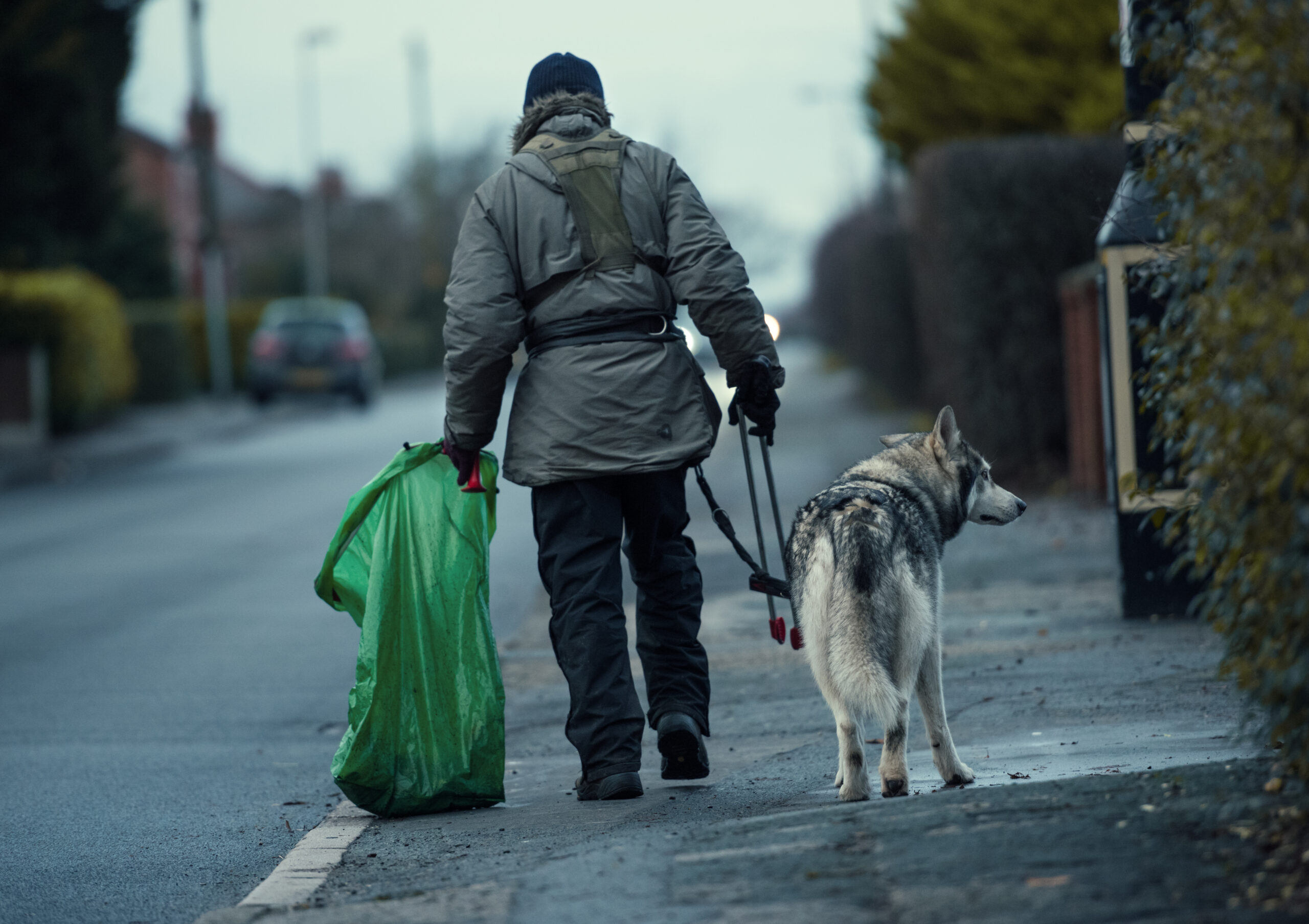
It was 11:30 a.m. – just under the wire for the calmer morning. Entering the store, I saw a middle-aged man carrying a large empty bag in one hand and grasping in his other hand the leash of a scraggly dog, bulky and muscular, and cranky-looking.
What is he doing in here? With that dog? And why the big bag? I was in a rush, so I moved to the veggies and fruits. As I glanced back, I saw the man placing apples into his open bag.
“I bet he won’t be paying for those,” I groused to myself, jumping to conclusions without knowing the whole picture. There I go – judging. Who am I anyway? The grocery bouncer?
“Let it go,” my wiser self reminded me. But it’s hard! Almost every time I shop, I see folks who take groceries without paying. I now tell myself that they must be very hungry, and what would any of us do if we were very hungry and without resources. Still, I have a self-righteous streak that complains: “There are other options.”
I crossed paths with the man and his dog in the cereal aisle, and again in the frozen food aisle. He still clutched the bag, which was now plump with items. I whispered, “God bless him,” (does it still count if done through gritted teeth?), and continued my shopping.
Of course, I got my comeuppance! As I pushed my loaded cart to the self-service check-out, I saw my fellow shopper unloading groceries from his bag for the clerk to ring up. The scary-looking dog sat peacefully at his feet, yawning. Surprise!
Oh, boy! Chastened, I remembered Jesus’s words in the Gospel of Matthew, right after he teaches his followers the “Our Father:”
Stop judging, that you may not be judged. For as you judge, so will you be judged, and the measure with which you measure will be measured out to you. Why do you notice the splinter in your brother’s [or sister’s] eye, but do not perceive the wooden beam in your own eye?…You hypocrite, remove the wooden beam from your eye first; then you will see clearly to remove the splinter from your brother’s [or sister’s] eye. (Matt 7:1-3, 5)
Will I ever get the beam out of my own eye? Not likely…There will always be at least some sawdust clouding my vision.
Less judgment, more mercy – a foundational Gospel teaching. A parallel secular piece of wisdom is, “Don’t judge a book by its cover.” (In my case, don’t judge a shopper by his dog!)
This encounter has been on my mind as we enter the season of Advent. I’m reminded of one of the most misjudged events of all time: the birth of Jesus. The Jewish people waited centuries for the Messiah, and they wondered, who would this Messiah be? Isaiah describes how the Jewish people envisioned their long-awaited Messiah:
For a child is born to us, a son is given us; upon his shoulder dominion rests. They name him Wonder-Counselor, God-Hero, Father-Forever, Prince of Peace. His dominion is vast and forever peaceful, from David’s throne, and over his kingdom, which he confirms and sustains by judgment and justice, both now and forever. (Is 9:5-6)
They were expecting a great and mighty king! Their hope was for the King of Glory, who would throw off their oppressors, from the Egyptians to the Babylonians to the Romans. But that isn’t who they got.
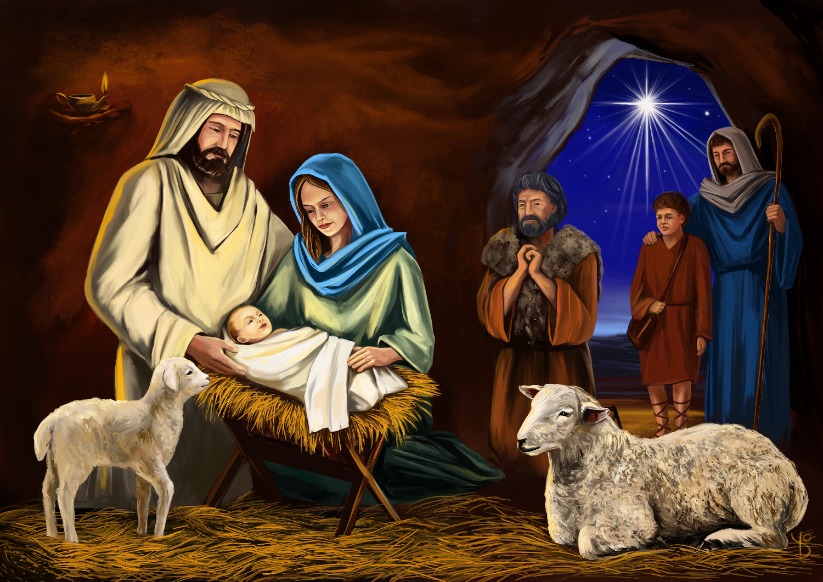
Luke tells us, “For today in the city of David a savior has been born for you who is Messiah and Lord. And this will be a sign for you: you will find an infant wrapped in swaddling clothes and lying in a manger.” (Luke 2:11-12)
A little baby? Born in a stable; sleeping in a manger? What kind of a king was that? Other than the shepherds (in Luke’s Gospel) and the magi (in Matthew’s Gospel), few recognized the young Jesus as Isaiah’s Prince of Peace. In fact, his relatives and the townspeople of Nazareth scoffed at Jesus. In essence they asked, “This Jesus, son of a carpenter, just who did he think he was?!
Wonder-Counselor, God-Hero, Father-Forever, Prince of Peace – born in a lowly stable to a poor carpenter and his young wife? Quite a surprise!
This Advent, what surprises does God have in store for me? For you? It won’t be a new king, born a babe and lying in a manger, BUT…might it be a change of heart in a family member, a peaceful cooperation with a neighbor or co-worker, an encouraging conversation with a sales clerk or a stranger on the street, a humbling recognition of honesty in a man with a dog in the grocery store? Let’s not miss the loving and learning surprises God has waiting for us this holy season.
Open my eyes, Lord, my mind, and my heart, to your goodness alive in the world today!
TODAY IS “GIVING TUESDAY.” If you found this article and others that we post thoughtful and helpful for you in your walk of faith, please consider making a donation to Catholic Life Ministries NW. All donations are tax deductible. To donate, go to https://www.catholiclifeministries.org/donate/
WE ARE MOST GRATEFUL FOR YOUR SUPPORT.

Homespun Homily by Lori: “I can be a saint, you can be a saint.”
NOVEMBER 1 IS THE FEAST OF ALL SAINTS!

Who’s your favorite saint? Who do you know who is a modern-day “saint,” someone in your family or your circle of friends who exemplifies saintly qualities?
Here’s my recent nominee for “sainthood.” She has a kind greeting for each person that passes by. She never fails to notice a person’s bright-colored shirt or happy smile or when someone is moving slowly and perhaps with pain. Her cheerful greeting rings out loudly, showing interest and care:
“How are you, my dear?” “Ahh, you have that lovely sweater on – isn’t this fall weather gorgeous?” “Take care now. May I help you with that cart?” “Thank you for your smile today!”
Perhaps you have a greeter at your grocery store these days, someone who welcomes you into the store and checks your purchase receipt on your way out. At my regular grocery store, the greeter is a lovely woman, mature in age, tall and slender, with long graying hair. For the many times that I trek to the grocery store, I always experience her as warm, hospitable, and truly sincere in her compliments and encouraging words.
This cheery woman is a light in the often dark and chaotic world of today, and her example is a lesson in faith, hope, and love. She doesn’t know what’s going on in the lives of the many people who pass by her each day. And we shoppers don’t know what she might be experiencing in her own life. But she is present to the moment. She sees the person in front of her, she notices something specific and positive – hair, smile, clothing, how the person is responding to the day or the weather – and she offers a loving word.
I know nothing about this lovely woman’s faith. But I know that “God is love, and all who abide in love abide in God.” (1 John 4:16) The love and kindness she consistently shows certainly reflects the love of God she somehow feels in her heart.

Isn’t this the call of Jesus, to live in the now with gratitude for our lives? He says, “…do not worry about your life and what you will eat, or about your body and what you will wear. For life is more than food and the body more than clothing.” Luke 12:22-23
I don’t think it means that we should give up planning or have no hopes for the future. But I take Jesus’ words as a reminder to appreciate the present moment and to nurture a grateful heart for the people and the circumstances that are right before us. Where we are, who we are with, what we are experiencing – this is where God has placed us; and God gives us the strength and grace to endure, and is with us through it all.
The world can seem like a mean place, making it difficult to see God’s grace in our neighborhoods, our workplaces, in the faces we pass on the street, in the news we read each day. As Christians, though, we are called to LOOK for God’s grace EVERYWHERE.
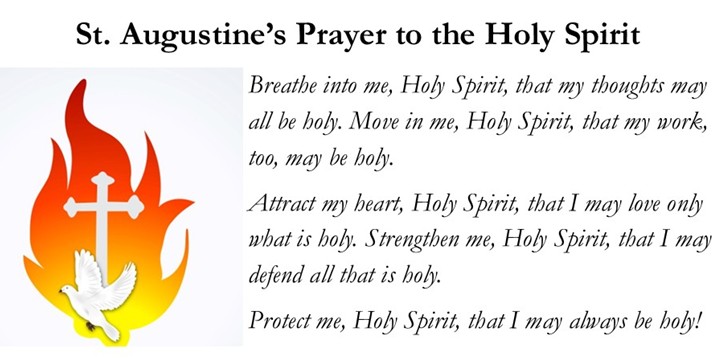
My daily prayer to the Holy Spirit is, “Help me to see God in everyone I meet today. Help me to share the love of God in every instance, even if it seems so small and insignificant. Give me Your strength and wisdom and power, because on my own, I can do nothing.”
What gets in the way of our Christian call to sainthood, blocking grace and stifling gratitude? In that frame of mind, we can’t share God’s love with others. My block is fear and worry. It’s impossible to be as cheerful and welcoming as our grocery store greeter when I am mired in negative “why’s” and “what if’s.” At those times, I’m an Eeyore (Winnie the Pooh’s glass-half-empty friend). But lately I’ve asked myself, “Will worry help?” We all know the answer to that one.
Jesus addresses anxiety throughout the New Testament. So many times Jesus reminds us – “Do not worry! Do not be afraid!” Look again at Luke 12 – full of exhortations of “do not fear.” In fact, “Fear not,” or some variation of this phrase, is widely accepted as the most repeated command in the Bible, appearing hundreds of times, depending on the translation.
All of us are at times like Eeyore, but we can’t wallow there for long. However, neither am I promoting a Pollyanna attitude, a false happiness. Life is hard. Sometimes life is not fair. Life comes with suffering, and we’re all going to die. As we encounter these stark truths, can our faith make a difference in how we respond? Yes it can!
“What came to be through him [Jesus] was life, and this life was the light of the human race; the light shines in the darkness, and the darkness has not overcome it.” John 1:3-5
Jesus didn’t promise his followers a trouble-free life. But he did promise to be with us throughout our lives; and he gave us an advocate, the Holy Spirit, to guide and empower us. That is GOOD NEWS, the best news, news worth sharing with everyone we meet. And, in most cases, the best way to share that good news is how my grocery store greeter does – with a caring smile and a kind word.
Who are the “saints” in your daily life? And how will you strive to be a saint today?
Marriage Vows: Challenge and Gift
By Robert Fontana
The subject of marriage often gets negative jokes and one-liners:
¨ I asked my wife to embrace her mistakes. She gave me a hug.
¨ A retired husband is often a wife’s full-time job.
¨ My son asked me what it’s like to be married so I told him to leave me alone and when he did, I asked him why he was ignoring me.

Yes, these one-liners are funny because they contain some truth. And that truth is, MARRIAGE IS HARD! And the evidence suggests that it’s so hard, many couples give up on it during their first try.
According to Forbes: 43% of first marriages end in divorce (as do 60% of second marriages, and 73% of third marriages). What’s behind these statistics? Why do couples divorce? The most common reason given is “lack of commitment” to the marriage. 72 % of divorcees state that they clearly did not understand, prior to “tying the knot,” how demanding marriage would be on their time, talent, and treasure. When marriage is difficult and does not meet one’s expectations, it is easy to look elsewhere for the fun and intimacy that might be missing in one’s marriage. A whopping 60% of divorced couples reported that it was a spouse’s infidelity that led to divorce.
Low income or poverty isn’t good for marriages either. People who live at, just above or just below, the poverty line often choose not to marry at all. Those who do marry find that the stress of earning a low income takes a toll on marital love. One study showed that 46% of married couples living below the poverty line divorced, whereas couples with higher incomes have lower divorce rates.
Adding to the mix of what makes succeeding in marriage so challenging is addiction – alcohol, drugs, gambling, sex, pornography, or shopping. An active addiction makes it almost impossible to build trust and intimacy because addiction demands absolute loyalty from the addict, and that undermines any good intentions to change behavior.
That’s the bad news.
The good news is that MANY COUPLES DO SUCCEED IN MARRIAGE (straight and gay)!
What’s the key to succeeding in marriage? From my research, my personal experience of 47 years of married life, and my work as a therapist, I’ve come to see that couples who treat marriage vows with the utmost seriousness succeed in marriage. This is crucial, because it is the vows that provide boundaries to marital relationships. The marriage vows of “fidelity, love, and honor” in “good times and in bad, in sickness and in health” are extremely important and should be considered a “social good” as are freedom of religion or the right to assemble.
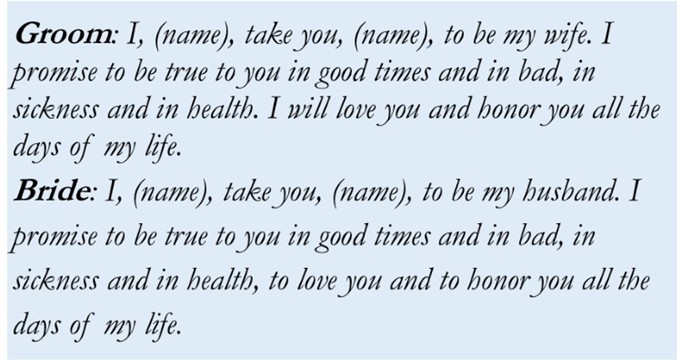
Though everyone wins when couples succeed in marriage, these vows have been undervalued and even ridiculed in modern culture. Vows give couples the framework for learning to direct their relational and sexual energy to each other and to mature and grow as individuals and as a couple, even when their emotions might lead them in another direction. This was certainly true for my parents who, after 20 years of marriage, could agree on only three things: we’re married; we have seven sons; and divorce is not an option. Commitment to their vows held them together. Through hard work, and with the help of Marriage Encounter and lots of prayer, they repaired their marriage and thrived as a couple for the next 19 years until my father’s death.
Vows also provide guardrails for managing relationships outside the marriage, especially at work and in the marketplace. This was true for me. I got married the summer before my senior year in college. I worked part-time but was mainly supported by Lori who worked as a hospital clerk. My student schedule allowed me to attend daily Mass, and it was there that I met many other college students, including a very nice young woman with whom I often exchanged the sign of peace and chatted after Mass. I remember thinking to myself, “we ought to have lunch and visit,” and then caught myself. “Nope, can’t do that anymore.” Faithful to my vows, I needed to protect my marriage by creating appropriate boundaries with women other than my wife.
When marriages succeed, EVERYONE WINS! That’s not simply my opinion; it is backed up by research data. In successful marriages, children thrive; spouses are more effective employees; couples manage their finances for long-term wealth building; spouses get involved in the community to create safer neighborhoods and schools. Wives and husbands enjoy greater sexual intimacy, friendship, and trust, and lay a strong foundation for their life together and care for one another long after the children have left home.
And the biggest winner when marriage succeeds is…men! In fact, the social evidence is clear. Most men need a healthy marriage to strive. When a man directs his sexual and emotional energy to his spouse, and it is received with love and respect, he grows into his best self. Married men live longer, have greater psycho-spiritual health, are more involved in their families and communities, and are more effective at work than their single counterparts. Again, the data backs this up.
As I wrote above, most couples who divorce claim they were not prepared for the challenges of marriage. No surprise there because most couples, even those who succeed in marriage, also report that they were not fully prepared for what married life would bring them. Couples who come to marriage prepared to embrace and live out the vows of “fidelity, love, and honor” truly have the best chance of success. Marriage vows are a gift to the couple and to society.
(Next topic: Sadly, we teach our youth to discipline themselves for success in sports, the arts, academics, and trade skills. But we do not teach them to discipline their sexual and emotional energies to succeed in marriage.)
1. See https://www.forbes.com/advisor/legal/divorce/divorce-statistics/
2. See The Case for Marriage: Why Married People Are Happier, Healthier and Better Off Financially by Linda Waite (University of Chicago) and Maggie Gallagher (National Organization for Marriage) and Get Married by Brad Wilcox (Institute for Family Studies).
Homespun Homily by Lori: Tempted by a good book and a sleepy conscience to HIDE!
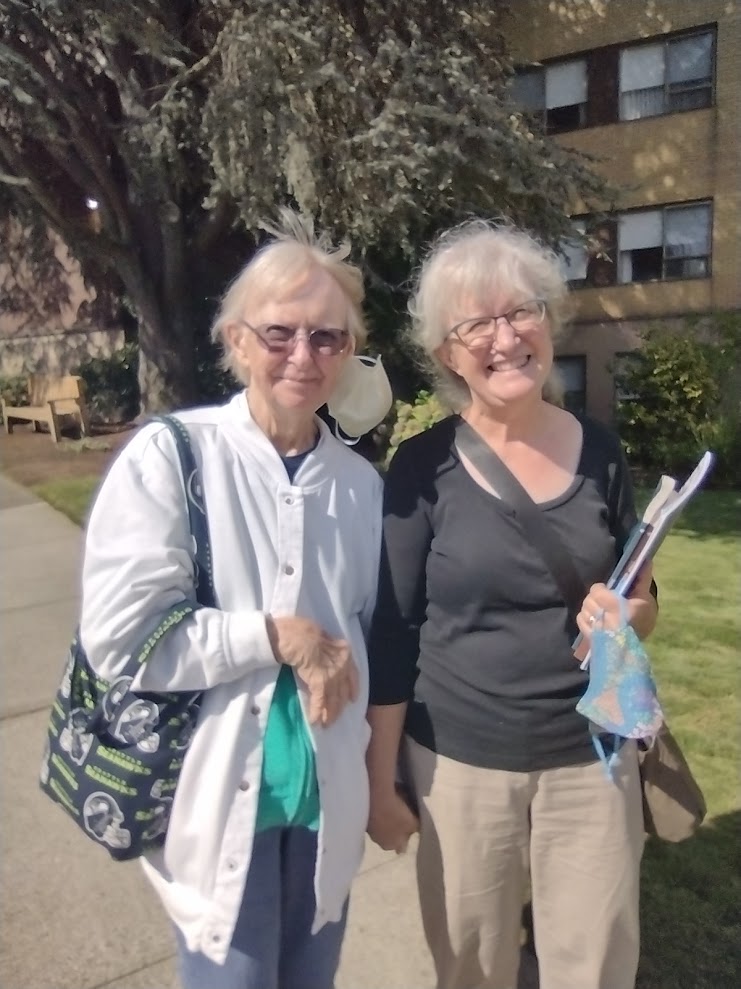
I’m in my 8th decade of life now (my, that sounds old 😊), and my perspective has certainly evolved over these many years. Looking back on my life, I think that for most of it I’ve been very engrossed in the daily tasks at hand. And with six children, and now seven grandchildren, and a husband whose my “office boss,” those tasks are many and seem never-ending.
I have always kept up with the news of “world events,” though these happenings seemed very far away and didn’t seem to have a noticeable impact on my day-to-day life. Many of these events I included on my intercessory prayer list, especially challenges and tragedies involving moms and children. I felt, quite optimistically, that eventually God would sort these problems out and that justice and good would prevail.
And now? My optimism has been sorely battered by events of the past 10 years. Surely, humankind has been through many eras of troubled times, times far worse than the events of this last decade. But this is my lifetime; these are my world’s challenges; and lately, I’ve felt moments of despair at the state of the world and the seeming lack of goodness and compassion among us human beings.
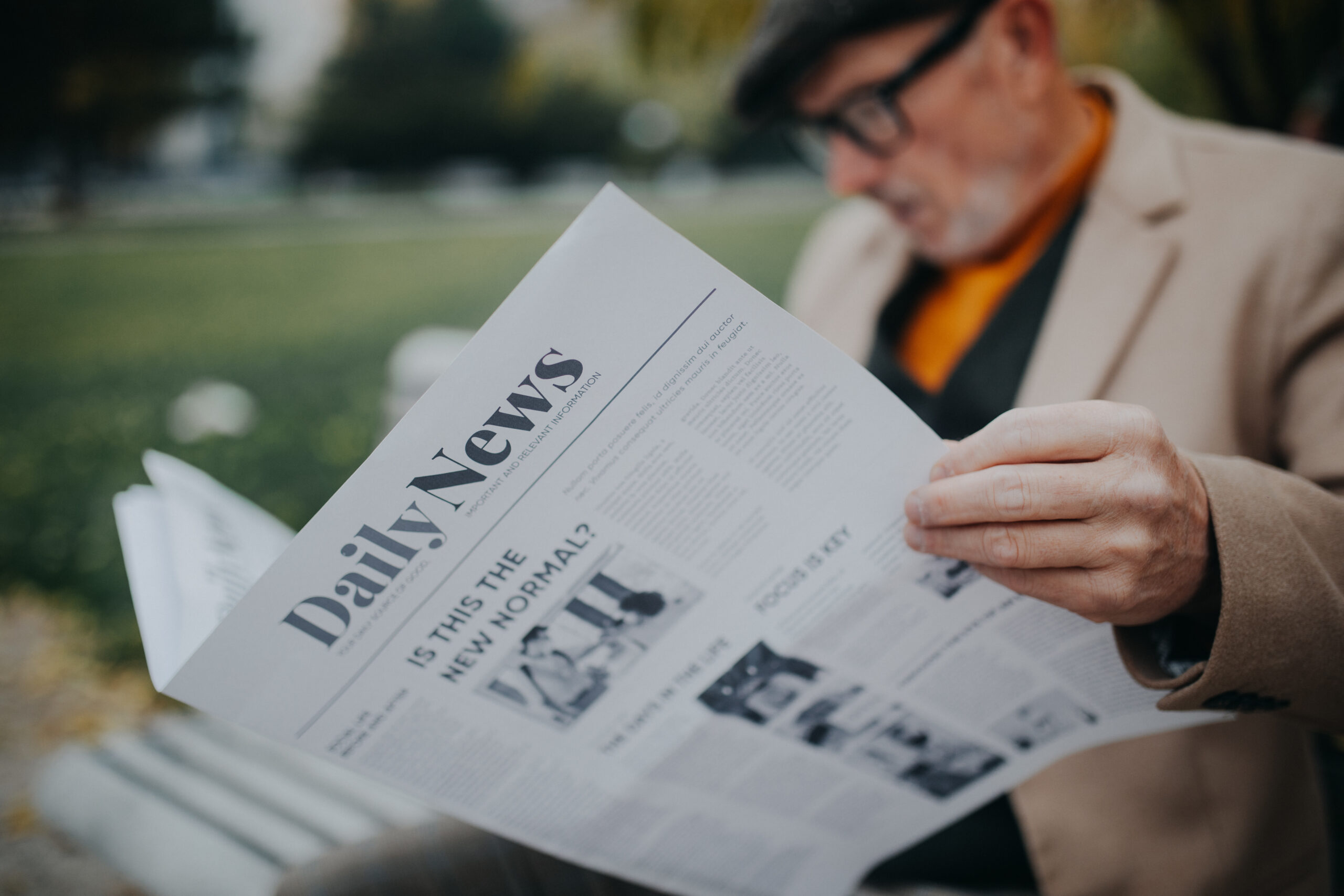
You know well the list of troubled people and places. It’s a constant thrum throughout our media-saturated day. Yes, we know there are big problems; we know there are many people behaving badly; we know there are other people in such dire need of a helping hand. But what can we do?
Here’s one small example from my life. Sunday’s paper, front page – a photo of a mother in Gaza sitting with her two children. The two-year-old has his back to the viewer, and I can count every tiny bone of his spine and ribs, his shoulder bones, and even the tendons in his neck and upper arms. He is literally “skin and bones.” The mother’s face is contorted in anguish.
What can I do? Immediately, I emailed our two U.S. Senators and my U.S. Representative. It was a plaintive email, urging them to do something. A few days later, I see that Jordan and some other countries are air-dropping pallets of food into Gaza. Good…but this is creating its own mayhem, as so many people are desperate with hunger that they are fighting among themselves for a tin of fruit or some flour and oil.
I can hardly bear to watch. I don’t know the answer, and truly, I have no power to help in these world tragedies. Those with the power to make positive change seem to lack the will. Even my Christian faith seems impotent – where is God in all of this suffering?
I’ve certainly lost my youthful optimism that, under God’s watchful eye, all will be well. And yes, I know, I’m operating out of my definition of “well.” Scripture tells us God’s ways are not our ways…But a starving child?
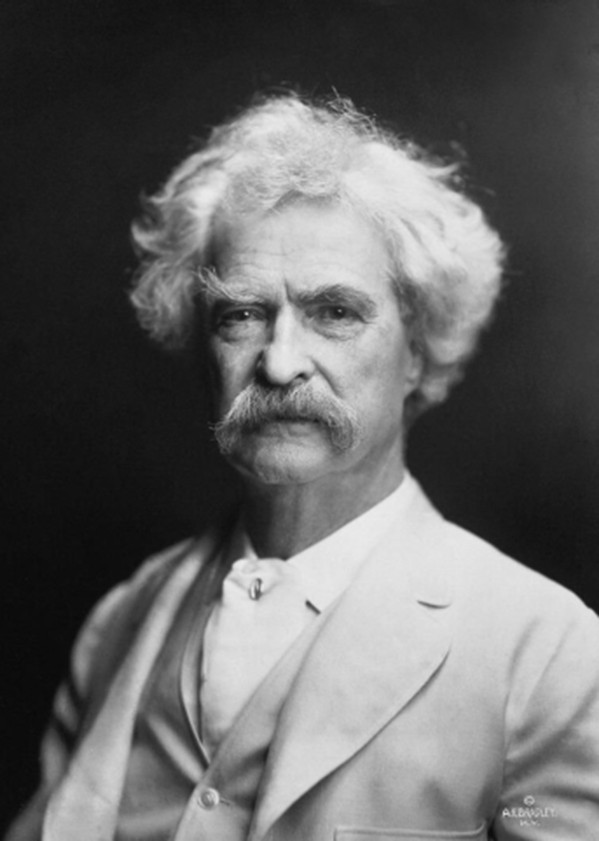
Through no merit of my own, I was born in the U.S., and the hunger in Gaza doesn’t really affect my life. I have plenty of food, more than enough, in the world’s richest country, which, sadly, has the highest rate of obesity among all the wealthy countries. Do I have to worry about hungry people in a country thousands of miles away, especially since I don’t see what I can do to help? Sometimes I want to sink back in my big green overstuffed loveseat and quote the wisdom of Mark Twain: “Good friends, good books and a sleepy conscience: this is the ideal life.”
Sounds very tempting…but no! My faith impels me, first to LOOK, even when what I see is devastatingly hard to bear. I need to see the reality of suffering, even when it’s far beyond my circle of life. Second, I need to do SOMETHING. So, okay, I write my elected officials. I participate in a weekly neighborhood food give-away. I donate to St. Vincent de Paul and Doctors Without Borders and Rotary International and the University Food Bank.
Robert and I work at staying attentive to the poor and abandoned in our own backyard. We’ve gotten to know a few people who live in the park near our home. For one older man, Robert brings him hot coffee and an egg sandwich once a week. He probably would like the breakfast delivery every day, but it’s too much of a commitment for us right now. We both speak to him when we see him in the park. We’ve encouraged him to consider help at a shelter, but he resists that. So we do what we can. We SEE him and treat him with dignity, and he is kind and responsive to us too. I still believe if we each do our little part, God’s goodness will grow and spread and overcome the darkness with the light of the Holy Spirit. It is we, after all, who are now the hands and feet, voice and heart of Jesus.
Not as a last resort, by any means, but I’ve really stepped up my prayers. I pray for friends and family and then stretch my prayers tp embrace further and further afield to include our neighborhood, community, country, and Mother Earth, our common home, as Pope Francis reminded us. Lately, I’ve also been praying for God to raise up leaders who are compassionate and wise, and who, if granted the power of government office, will strive with all their might for the common good. And I join my prayer with others; there is power and hope in shared prayer.
When a good book and a sleepy conscience beckon to my weary soul, I turn again to the words of Jesus: “Whatever you did for one of these least sisters or brothers of mine, you did for me.” [Matt 25:40] I raise my eyes to a more eternal view of life, and I can say with Julian of Norwich, “All shall be well; and all shall be well; and all manner of thing shall be well.”
_______________________________________________________________
SAVE THE DATE: Oct 18 (Sat) for the CLM Fall Retreat – Jubilee of Hope with Fr. Dennis Berry, ST! Assumption Church, Seattle (9:30 – 5 pm). Registration coming soon.
Homespun Homily: Prayer for Peace in Our Troubled World

By Lori Fontana
We are living in an age wracked with conflict and desperately in need of peace and justice. Though for many of us daily life may seem unaffected, the turmoil elsewhere does and will affect our lives in ways subtle and not-so-subtle. More and more, we are all interconnected. If we look at our world with eyes of faith, we must see that “whatsoever we do to the least of our sisters and brothers,” whether we treat them poorly or simply neglect or ignore them, this is how we are treating Jesus.
What can we do? Here’s a saintly example to inspire and encourage us: St Clare of Assisi. As Clare lay in her sickbed in San Damiano, a monastery on the outskirts of Assisi, an army approached the city. Soldiers began to scale the monastery walls, terrorizing the nuns inside. Frightened, the sisters surrounded Clare, beseeching her help.
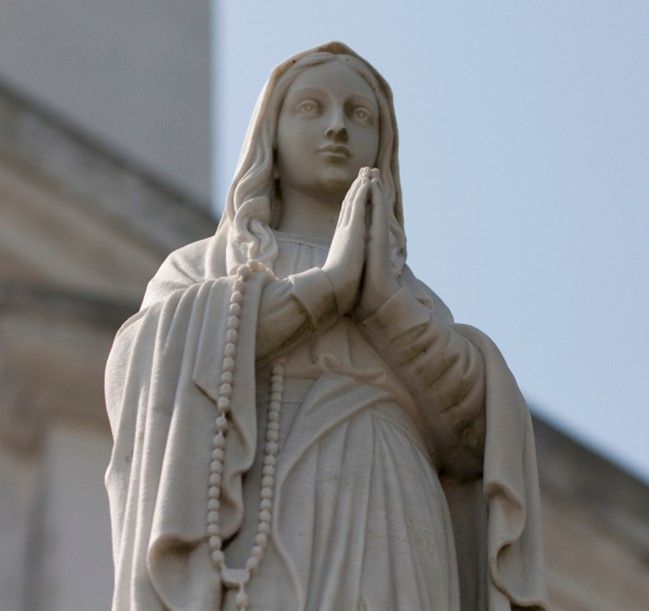
Clare, who had an unshakeable belief in the power of prayer and the Eucharistic presence of Jesus, rose from her bed. Retrieving the ciborium from the chapel which adjoined her cell, she faced the soldiers through an open window against which they had already positioned a ladder. She raised the Blessed Sacrament into the air. At this, the soldiers nearest to her fell backward as if stunned. Other soldiers advancing toward the monastery walls turned and fled. Then St Clare knelt and prayed to God for the protection of the entire city. The army did not try to enter the city at another spot. They left and did not return.
Another time, the imperial army approached Assisi, hoping to claim the city. When Clare heard this, she instructed her community of sisters to stop all activity and kneel in prayer to God, praying that the city be spared invasion. Immediately, the army was thrown into confusion and disarray. They dispersed; and Assisi was left in peace.
We can take heart from St Clare’s example. Here she was, a woman in the 13th century, and a frail, sickly woman at that. Yet her devotion to prayer and the Eucharist “moved mountains.” She prayed with unwavering faith. She also put her faith into action as she stood to confront the invading soldiers. She did what she could do: she prayed, and she acted.
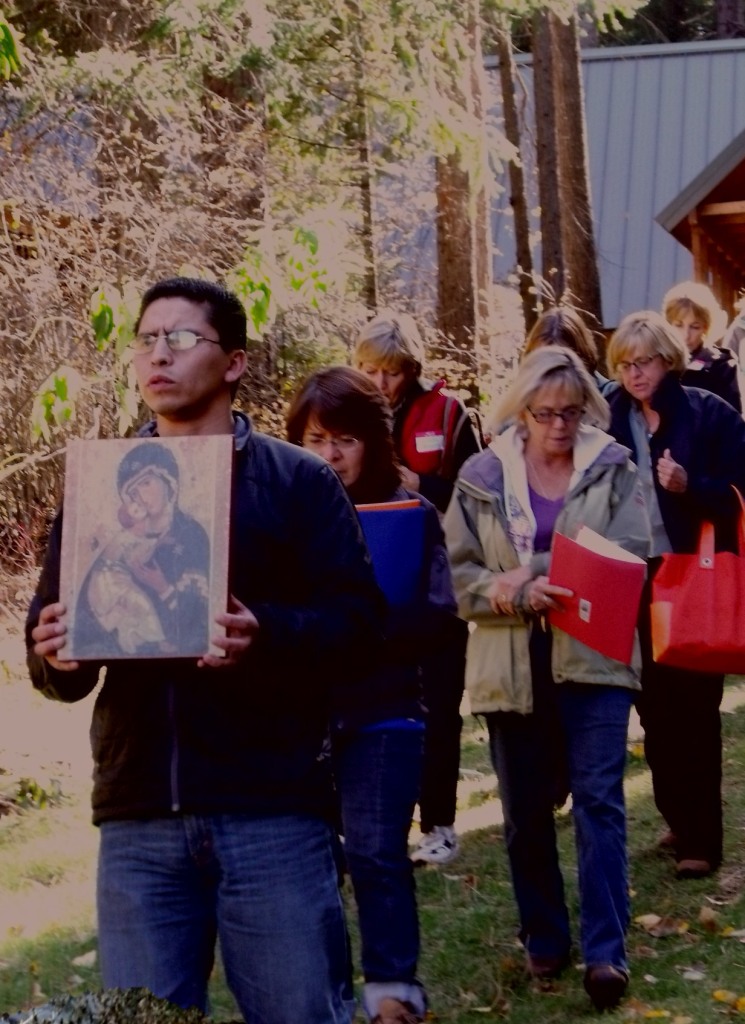
I believe God is calling all people of faith to do what we can do at this moment in history. First, we pray, and in prayer the Holy Spirit will fortify us and guide us. Then we must act. As St Paul exhorts us, “Faith without works is dead.” How is God calling me, calling you to stand up and live the Good News in this time?
Here’s an invitation to pray for peace and justice over the next weeks. You can use the prayer below (an excerpt from Pope Francis’ Prayer for Peace) or your own favorite peace prayer. St Francis wrote a good one! Let’s pray in the spirit of St Clare and through the intercession of Mary, Queen of Peace. At Mass, as we receive the Eucharist, and also every Thursday, our CLM day of intercessory prayer – these can be special times of intercession. From now, through the feast day of St Clare (August 11), and until the great Marian feast of the Assumption (August 15), may we especially join our hearts and prayers for God’s peace and justice for all people and all of God’s precious creation.
“Now, Lord, come to our aid! Grant us peace, teach us peace; guide our steps in the way of peace. Open our eyes and our hearts, and give us the courage to say: “Never again war!”; “With war everything is lost”. Instill in our hearts the courage to take concrete steps to achieve peace.
Keep alive within us the flame of hope, so that with patience and perseverance we may opt for dialogue and reconciliation. In this way may peace triumph at last, and may the words “division,” “hatred,” and “war” be banished from the heart of every man and woman. Lord, defuse the violence of our tongues and our hands.
Renew our hearts and minds, so that the word which always brings us together will be “sister” or “brother,” and our way of life will always be that of: Shalom, Peace, Salaam! Amen.” ~Pope Francis
A woman bishop, a president, and a solution to the migrant and refugee crisis
By Robert Fontana
You may have never knowingly met men and women who are living in the United States without documentation, but you have certainly benefited from their presence. As Episcopal bishop Mariann Edgar Budde reminded the newly elected president on inauguration day, these are…
“…the people who pick our crops and clean our office buildings, who labor in poultry farms and meat packing plants, who wash the dishes after we eat in restaurants and work the night shifts in hospitals. They may not be citizens or have the proper documentation, but the vast majority of immigrants are not criminals. They pay taxes and are good neighbors. They are faithful members of our churches and mosques, synagogues, and temples.”[1]
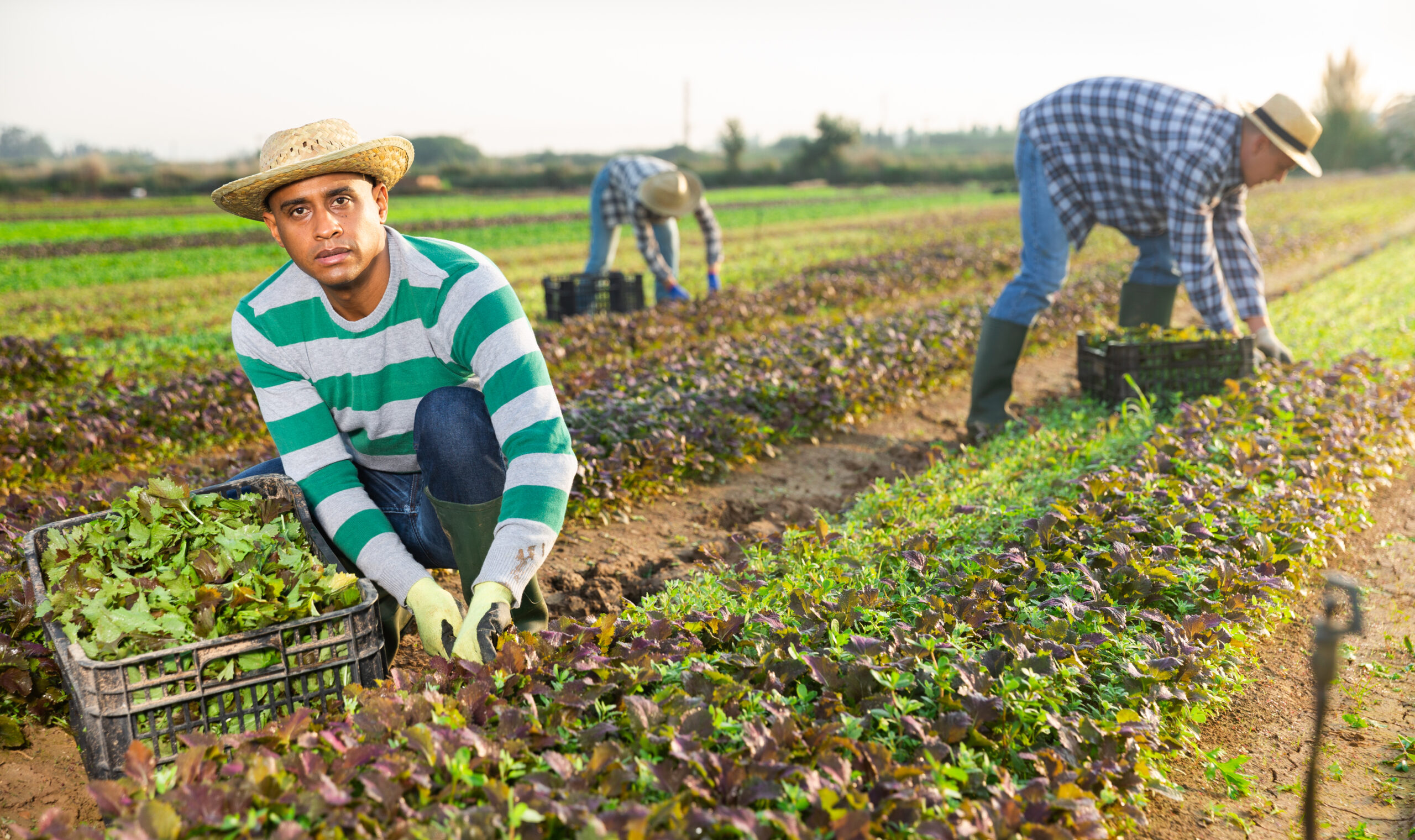
There is no accurate method for determining the precise number of people who are unauthorized immigrants. In 2022, the Office of Homeland Security estimated the number to be about 11 million.[2]
Keep in mind that the wealth of this nation is built on the backs of these hardworking, good and humble people. And the MAGA world led by Trump, many who are farmers, ranchers, contractors, hospital managers, CEOs and CFO’s of companies, and also ordinary citizens who directly benefit from the labor of migrants, have embraced the Trump scapegoating of them as “rapists, murderers, and criminals.” A few may be, but the vast majority of them are not!
(See: https://www.factcheck.org/2018/06/is-illegal-immigration-linked-to-more-or-less-crime/)
Bishop Mariann pleaded with the new President: rather than treat them as criminals, could he honor their dignity and show them mercy:
Let me make one final plea, Mr. President,…I ask you to have mercy…on those in our communities whose children fear that their parents will be taken away and that you help those who are fleeing war zones and persecution in their own lands, to find compassion and welcome here. Our God teaches us that we are to be merciful to the stranger for we were all once strangers in this land. May God grant us the strength and courage to honor the dignity of every human being, to speak the truth to one another in love, and walk humbly with each other and our God for the good of all people. The good of all people in this nation and the world.[3]

I completely agree with Bishop Mariann. However, I don’t think she went far enough. Rather than simply asking for mercy for migrants and refugees, Bishop Mariann ought to have proposed a solution that would benefit the country and probably give President Trump a new constituency of supporters: citizenship for all migrants and refugees who seek it and have no criminal record.
While in the seminary in 1976, I was part of a community of students who welcomed refugees from Vietnam, one who became my roommate. Lori and I helped resettle refugees from Cambodia in the 1980’s. The individuals we helped, and the thousands helped by non-profits across the country became good citizens, excellent employees, owners of small businesses, and taxpayers. The same happened after the passage of the Immigration and Reform Act of 1986 under President Reagan, giving men and women living in the US without documentation a path towards citizenship under certain conditions. Did some commit crimes? YES, but very few. Did most settle in, they and their children quickly integrating into American life? A resounding YES!
With Biden’s executive action on June 4, 2025, the southern border was tightened up and essentially closed. Border and migration tension have intensified under Trump. Now is the time to change direction. Stop deporting migrants and refugees who are here doing the grunt work that few native-born Americans want to do.
Lori and I and two of our daughters have worked on the border. We have seen firsthand the young, hardworking, resilient, courageous, creative, and intelligent men and women, many with their children, who have made the long journey from their home country to the USA. Their home countries are losing the best and the brightest, their greatest assets and talents, their youth, to migration.
The US is not being “overrun” by these migrants, we are benefiting from them! In giving the undocumented migrants and refugees a path to citizenship, Trump would succeed in keeping the harvest picked; the elderly and infirm well cared for; meat cut, packaged, and sent to stores; and small migrant-owned businesses continuing to serve the local community. After these welcomed migrants become citizens, they will remember at the next election which party cared for them and acted on their behalf.

Mass deportation of migrants and refugees is not the answer to their undocumented status. Citizenship is. Citizenship is in the US’s self-interest. It is also the just and Christian thing to do. It is how the Gospel mandate to welcome the stranger, feed the hungry, clothe the naked, care for the sick could be implemented nation-wide.
[1] https://carmenmccain.com/2025/01/22/transcript-of-bishop-mariann-budes-sermon-during-the-2025-us-inaugural-prayer-service/
[2] https://ohss.dhs.gov/sites/default/files/2024-06/2024_0418_ohss_estimates-of-the-unauthorized-immigrant-population-residing-in-the-united-states-january-2018%25E2%2580%2593january-2022.pdf
[3] https://carmenmccain.com/2025/01/22/transcript-of-bishop-mariann-budes-sermon-during-the-2025-us-inaugural-prayer-service/
If you can’t be like mother Teresa, be like Paula Mitchell
by Lori Fontana
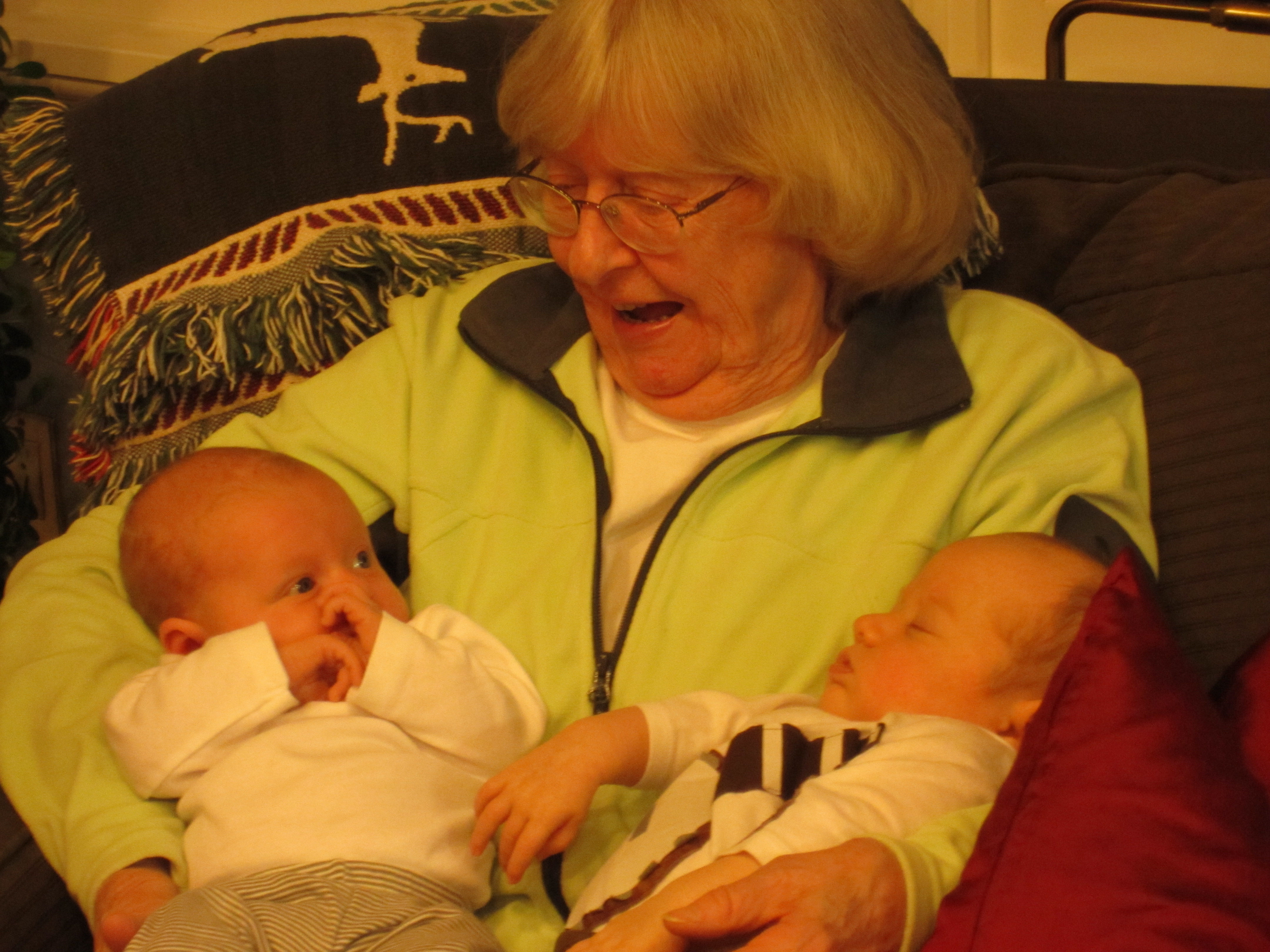
I want to tell you about a very special person, though she may not appear special. She’s not rich or famous. You won’t read about her in the news. If you walked by her on the street, you probably wouldn’t notice her. Her hair is white; her step is slow; her hearing is failing; her hands are worn and sometimes she needs a hand to help open a jar.
But she is a beautiful woman; and she is a saint. “How so?” you might ask.
Well, I know that every day she is the hands and feet, the heart and voice of Jesus for the people with whom she lives. I follow her through the halls of her assisted living home and the adjoining nursing care home, through the dining hall, the chapel, and across the courtyard patio. Everywhere she goes, she greets each person she sees. She smiles and says each person’s name, reaching out to pat a hand, caress a shoulder. She inquires about a family member or what was served for lunch or an upcoming outing. She always introduces me, and as I greet her friends, she tells me an interesting fact or talent about each one.
The people she greets may be seated, bent over in a chair, laboriously pushing a walker, painstakingly guiding a wheelchair, or gallantly shuffling along. Always, they beam in response to her greeting, her inquiries, her gentle touch. There are some who grasp my arm to pull me closer and tell me how welcoming she is, how she helped when they first arrived, how she found a lost item for them, brought a meal to their room, refilled their teacup, showed such care for them.
This special lady is my mom, Paula. She’s an ordinary woman in ordinary circumstances. But she has made some simple yet profound choices to live her life in an extraordinary way—the way of sainthood. St. Therese of Lisieux extols the “Little Way” of loving and following Jesus. St. Teresa of Avila knew that most of us make our journey to God in modest, often obscure ways of simply loving God and neighbor. One of her well-known prayers illustrates our common call to sainthood along a humble path:
“Christ has no body now, but yours.
No hands, no feet on earth, but yours.
Yours are the eyes through which Christ looks compassion into the world.
Yours are the feet with which Christ walks to do good.
Yours are the hands with which Christ blesses the world.”
Our vocation as Christians calls each of us to be Christ for others, wherever we find ourselves, in the providence of our everyday lives. Interestingly, my mom told me that she has changed since she moved into assisted living. She has become more outgoing, more willing to speak up, speak out, and speak to others, even folks she does not know. She confided, “I was not like this for a big part of my life. I was quiet and shy,” she said. “Not anymore. I feel confident and emboldened to speak to others, to help others, who are, perhaps, going through a hard time. I know what they are feeling, and I want to help.”
As her daughter, I know she has lived as Christ’s eyes, hands, and feet throughout her life, as a mom for many, many years in the family home. A good friend of ours pointed out at his mom’s funeral that Jesus is describing his mom (and I would say, most mothers) in Matthew’s last judgment scene:
“For I was hungry and you gave me food, I was thirsty and you gave me drink, a stranger and you welcomed me, naked and you clothed me, ill and you cared for me, in prison and you visited me.” Matt 25:35-36
This tells the story of our mothers. They have fed us, clothed us, cared for us. Jesus’ call to us is to do the same for whomever is in our circle of life. Perhaps it’s our own children; our parents or siblings or other relatives. Perhaps we have a neighbor who is elderly or alone or struggling. Maybe it’s a co-worker, a teacher or student, the person in the car ahead of us or in the grocery check-out line behind us.
Indeed, we are all called to be saints. Probably, none of us will be as influential and well-known a saint as Mother Teresa. But I do believe that we can all be like Paula—acting as Jesus would, being his hands and feet and voice, for each person we meet.
Homespun Homily: Seeing others with the eyes of faith
By Lori Fontana

What a day! In just one day, I feel like I encountered the breadth of humanity: young and old, rich and poor, people of all colors and in so many life circumstances. Let me describe.
The day began with seeing our two grandsons off to school. They are bright, curious boys with long, scruffy hair and skinned knees from soccer games and wrestling with each other in the yard. They are loving and sassy, at times cooperative. at other times, sullen and belligerent. Their lives stretch before them, filled with possibilities.
I then headed to the nursing home where my mom lives. She’s 94 and only recently has needed more care. Six months ago, she spent her days playing Scrabble or Bingo, visiting with other residents, attending prayer in the chapel, and even doing her own laundry. Now, she is pretty much confined to her wheelchair, as her legs have now decided they can’t reliably support her. Though physically declining, she is still gracious and caring to others. As we ate lunch with some other residents, she paused between bites to comment to her neighbor, “You look so nice in that red blouse,” and “Try those mashed potatoes; they’re delicious today.”
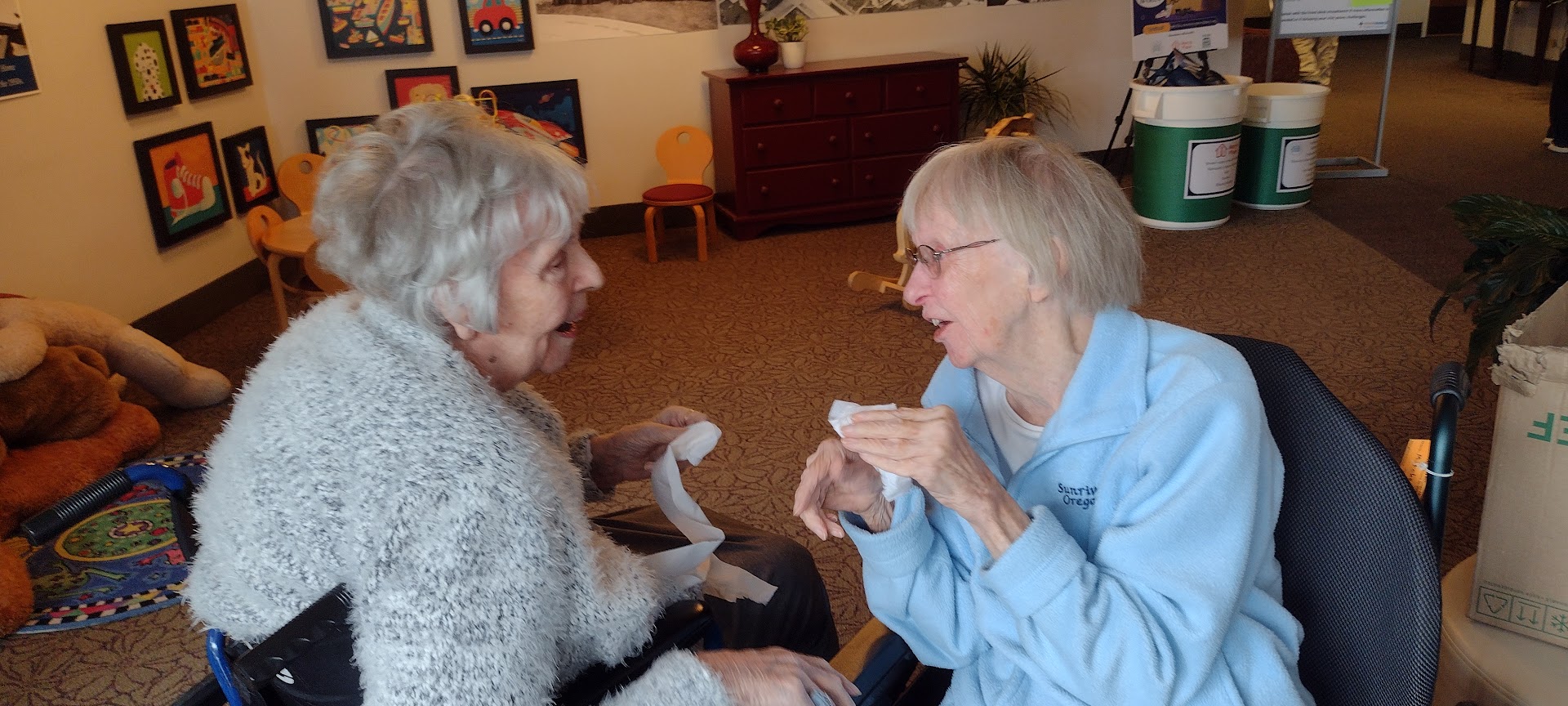
The other residents at her table were not as aware as she is; some don’t speak at all. But my mom spoke to them with gentleness and kindness. She honored them by greeting them, even when they were unable to respond.
During the meal, I noticed the nursing home staff: the busy nurses who distributed medications and charted medical notes; the aides who cheerfully visited with residents, answering questions, handing someone a drink of water, or helping some residents eat their meal. There were the housekeeping staff members – sweeping, mopping, preparing plates of food, washing dishes. Almost to a person, these were people from the four corners of the earth: Eritrea, Somalia, China, the Philippines, Mexico. They worked with a quiet dignity, showing loving respect to all the residents as well as to each other. Even when a resident was sad or agitated, the atmosphere remained peaceful and caring.
After lunch, I wheeled my mom to the first floor where there is a preschool and nursery. From the hallway, we could look into the “toddler room” through floor-to-ceiling windows. We saw little cherubs of all shapes and colors playing dress-up, cuddling with stuffed animals, painting, climbing, twirling, and at times bumping into each other or grabbing a toy. It was messy and joyful with runny noses and squeals and tears. What energy and zest! These young ones brought smiles to my mom and me, as they do to all who behold them.
From my lovely visit with my mom, I caught a city bus home. The bus riders were people of all colors and dress. There was a lovely African American woman seated next to me, looking tired but serene, reading a book, perhaps returning home after a day’s work.
Ahead, at the front of the bus, sat a young couple. Their clothing was disheveled; their hair appeared unwashed and uncombed. They carried large bundles and bags and a bulky box of Pampers. While the young man gazed out the window, the young woman leaned forward, seemingly exhausted and trying to sleep. The bus jostled her back and forth, and I worried that she would tumble into the aisle. But she didn’t. I could imagine that the couple was taking respite on the bus, warming themselves and enjoying a few moments of peace.
Behind me was a middle-aged man who, halfway through the bus ride downtown, began to talk loudly as if having a conversation with someone. Gesturing with his hands and shaking his head, he rummaged through a plastic bag on the floor in front of his seat. His loud behavior indicated some mental suffering or illness.
My initial reaction was fear and anxiety. But then my thoughts turned to an awesome truth. This man is a child of God. Yes, he appears to be suffering or perhaps not quite in his right mind. He needs care, far more than I could give. But he is a child of God.
So too the young couple, trying to get a few moments of peace surrounded by their worldly belongings on a bus – they, too, are children of God. As I thought back over my entire day: my bus companions, exuberant toddlers, the tired elderly folks, my mom, our grandchildren … each is a child of God, God’s beloved.
Life has a way of wearing us down, clouding our true nature. After just a short time of living, we’re not as bright and shiny, carefree and joy-filled as those little two-year-olds. We suffer, we doubt, we fall, we fail, and in the end, we know we will die.

But God wants more for us. God does love each one of us with an unconditional, everlasting love. When I embrace my deepest identity as God’s beloved, then it’s so much easier to open my heart to all my sisters and brothers. I can look beneath life’s tarnish and see that here in the nursing home, here on the bus, here in the nursery, here in my own home, each person is a child of God.
How does that truth make a difference? It means I look upon each person I meet with reverence. I can smile and say hello. In some cases, I’m able to help with a listening ear or directions. In other situations, it may not be wise to approach or speak to the person, but I can look with kindness upon them and say a prayer that they receive the help they need.
One more little story: as I waited at the bus stop that day, a middle-aged woman asked me for money. I replied that I didn’t have cash, but would she like to share my fig cookies? She declined and started to walk away, but then turned back, and we had a short friendly conversation. Rather than drawing back in fear, I had reached out with a humble offer, and we shared a holy moment.
It’s a good reminder: all of us begin life as innocent, pure babies. Then life happens, and we become a bit scuffed and scraped, enduring challenges and disappointments. We are all wounded. But can I rise to the call of our faith? Can I see into the heart of each person and know them as God’s beloved?

The Month of All Souls and the Altar of Remembrance
By Lori Fontana
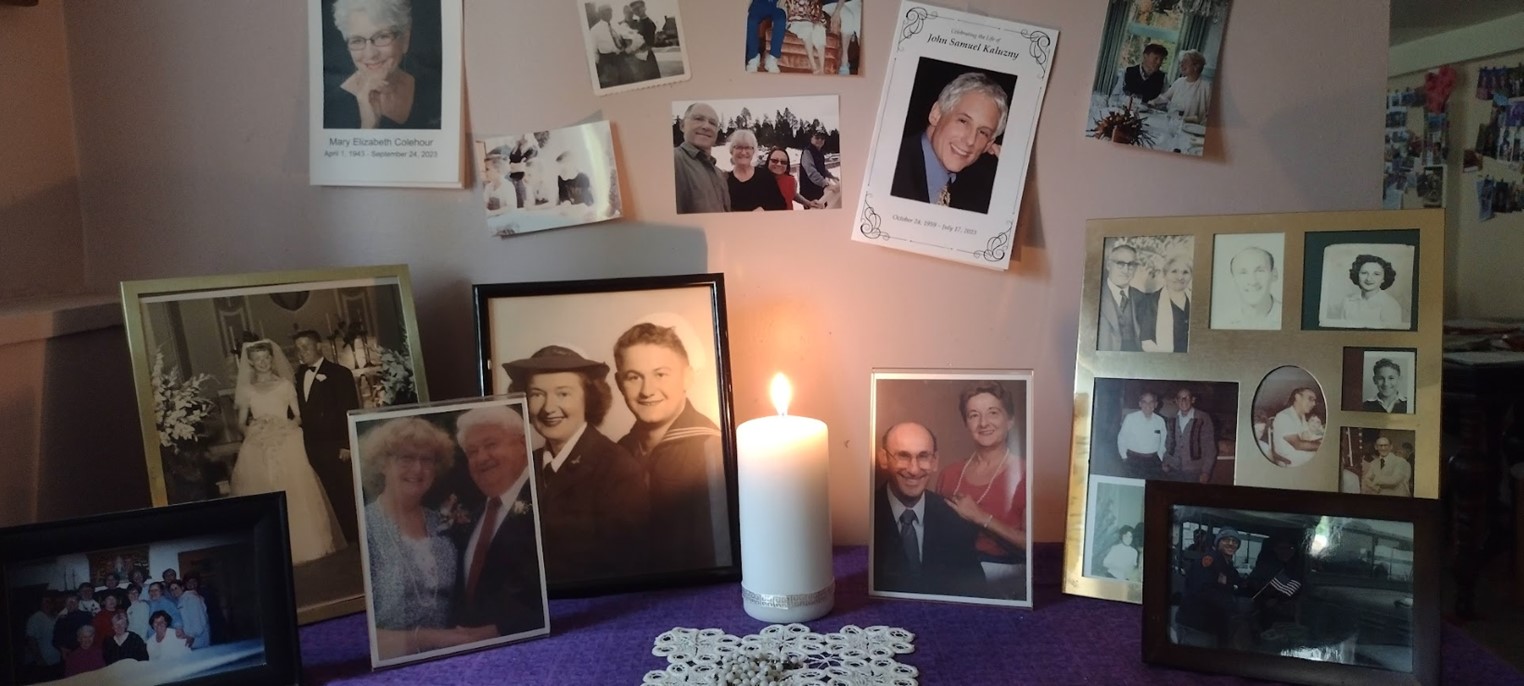
The Feast of All Saints (the feast day for ALL of us) and the Feast of All Souls—remembering our loved ones who have gone before us. Two great feast days of our church which provide the occasion to grieve and remember, to celebrate and honor. Every November, we set up an “All Saints / All Souls” altar in our home.
We gather photos of our family members and friends who have died, both recently and long ago. We display the photos on a tabletop with a nice cloth covering, candles, flowers, and other momentos which remind us of our loved ones. Through our faith, we believe that loved ones who have died are still close to us, in the communion of saints. Our November altar brings them near, reminds us to pray for them, prompts us to honor them, helps us to grieve and let go. Perhaps you can create your own home altar for this prayerful month.
HOPE IN THE RESURRECTION
Wisdom 3:1-6 The souls of the righteous are in the hand of God, and no torment shall touch them. They seemed, in the view of the foolish, to be dead; and their passing away was thought an affliction and their going forth from us, utter destruction. But they are in peace. For if to others, indeed, they seem punished yet is their hope full of immortality; Chastised a little, they shall be greatly blessed, because God tried them and found them worthy of himself.
1 Thessalonians 4:13-18 We do not want you to be unaware, brothers and sisters, about those who have fallen asleep, so that you may not grieve like the rest, who have no hope. For if we believe that Jesus died and rose, so too will God, through Jesus, bring with him those who have fallen asleep. Indeed, we tell you this, on the word of the Lord, that we who are alive, who are left until the coming of the Lord,* will surely not precede those who have fallen asleep. For the Lord himself, with a word of command, with the voice of an archangel and with the trumpet of God, will come down from heaven, and the dead in Christ will rise first. Then we who are alive, who are left, will be caught up together* with them in the clouds to meet the Lord in the air. Thus we shall always be with the Lord. Therefore, console one another with these words.
Homespun Homily: We don’t choose how we’re going to die but we can choose how we’re going to live!
By Lori Fontana

We don’t think it’s gonna happen to us. Mostly, I think we try to not think of IT at all. Aging. Dying. But it’s happening to each one of us. Right now. With every breath, every step, we’re growing older; we’re closer to our death.
This has become a daily reflection for me over the past year, even more so in the past few months. In 2023 – 2024, a dozen of our friends, people very close to us in our life circle, have died. Some had lived long fruitful lives. Others died too soon. Death came from illness or accidents; a few died from old age.
Very recently, a family member’s health has declined rapidly, and I’ve helped to care for her. It’s a beautiful task, humbling…and hard! From being quite independent 6 months ago, she now pretty much needs constant care – physical help for daily activities and compassionate reassurance throughout the day.
For several days, I tried to manage her care in my home and very quickly realized that I don’t have the strength, skills, or adequately safe environment for that. But her time with us in our home was so precious. We shared laughter, memories, family stories. We put our heads together to do the newspaper’s daily “Word Jumble.” We watched awe-inspiring and silly animal videos on YouTube – baby seals and brightly colored birds doing their mating dances. We went for short walks, I pushing her wheelchair, to see the fall colors and the rainbow of dahlias still in bloom.
Sometimes there was confusion: “Where am I?” “Why don’t my legs work anymore?” “Why am I so sleepy?” And, “God, why am I still here, on earth?”
These are questions we may all have as we age, if and when we stop to reflect on the reality that we will all die. This is a hard truth, but it’s not bad. It’s the circle of life, and it’s part of God’s plan which leads us to eternal life. Oh, we can choose to face death with fear and resistance or even complete denial. OR we can live our lives and face our death with thanksgiving and perseverance. As my loved one pointed out one morning, “We Christians don’t choose how we’re going to die… but we can choose how we will live each day.” And she so graciously does choose kindness and love each day and shares this with others.
For me, it boils down to two actions of the will – gratitude and trust. What can I thank God for today? Large blessings – I live in a safe, prosperous country (with problems, yes, but a good place overall); I have an abundance and variety of good food; I have a warm bed at night; I have loving family and friends. The list is long. And then there are small graces – morning coffee with cream; the hummingbird outside my window; the laughter of grandchildren; a good-night kiss from my beloved.
There now is science that proves that a grateful heart contributes to overall happiness and well-being, and even longer life! It’s not hard to foster the habit of gratitude. Try making a “Gratitude List,” and add to it every day. Or give thanks to God each evening before you sleep – tell God what you are grateful for from the day just lived.
The other habit I’m working at is TRUST. I think it’s a matter of asking, “Do I believe in God or not?” God promises to be always with us (Joshua 1:9); to supply our needs (Philippians 4:19); to give us good gifts (Luke 11: 9-13) and the desires of our hearts (Psalm 37:3-4); to bring good from our trials (Romans 8:28); to not try us beyond our abilities (1 Cor 10:13). Can we act out of these promises, through times both good and difficult?

Where are we headed? What is our future? I think these are worthy reflections for us at any age. If we’re realistic and honest, these questions can guide our living, day-to-day. God doesn’t promise to take away all difficulties and challenges. But God does promises love and grace and to be with us through it all. That can make all the difference. When we trust God’s love and presence, we can have a grateful heart every day of our lives.
